Zelensky Condemns Lack of Allied Warning After Russian Missile Strikes Kyiv Power Plant
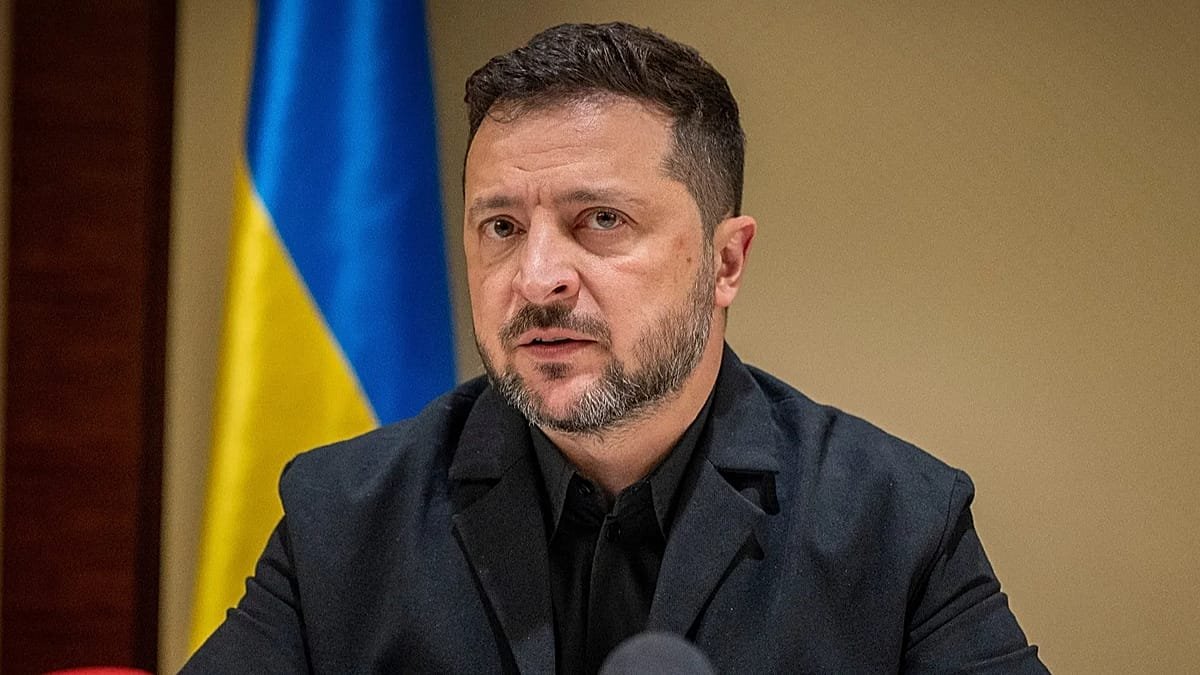
A Russian ballistic missile struck the CHP-4 combined heat and power plant in Kyiv on Tuesday evening, Ukrainian President Volodymyr Zelensky confirmed, while sharply criticizing Western partners for failing to provide any advance warning regarding the attack. The strike occurred despite recent assertions by US President Donald Trump that an "energy ceasefire" was currently in effect between Russia and Ukraine. Zelensky highlighted the critical gap in intelligence sharing, noting that Ukraine relies heavily on Western, particularly American, data to detect incoming threats and identify targets. He stated that Ukrainian air defense systems only detected the missiles as they were nearing the city, leaving insufficient time for effective interception or civilian evacuation.
Writing on Facebook, Zelensky described the incident as unjust, emphasizing that Ukraine receives no early warnings about ballistic missile launches even as its infrastructure is systematically destroyed. "A Russian ballistic missile attack on Kyiv. Once again, no early warning from our partners," he wrote. "The main target was energy infrastructure, specifically the CHP-4. Unfortunately, it was hit." AFP journalists reported hearing several blasts in the Ukrainian capital shortly after the impact. The attack also damaged a residential building in the Desnianskyi district, resulting in at least two deaths and approximately twenty injuries, according to Kyiv Mayor Vitali Klitschko.
The timing of the explosion raised concerns among residents who heard explosions before air raid sirens sounded, a scenario that has occurred rarely in the past. Ukrainian officials attributed this delay to the Russian military's use of hard-to-detect missiles or potential technical issues within local alert systems. Kyiv, home to roughly three million people, has faced intensifying attacks from Russian drones and missiles, with energy infrastructure remaining a primary objective for Moscow. The failure to warn allies underscores the vulnerability of Ukrainian cities to surprise strikes, despite ongoing security cooperation with Western nations.
Trump’s claim of an energy ceasefire, announced on his Truth Social network over the weekend, caused confusion amid the ongoing conflict. He stated that Russia and Ukraine had agreed to stop long-range strikes on power plants and oil refineries. However, the immediate aftermath of the Kyiv attack contradicted this assertion, highlighting the fragility of such informal agreements. Trump has previously criticized Zelensky over Ukrainian strikes on Russian oil refineries, suggesting on Saturday that it was "time for Ukraine to get a new president." The discrepancy between Trump’s public statements and the reality on the ground in Kyiv further complicates diplomatic efforts to de-escalate tensions. The incident serves as a stark reminder of the persistent threat to Ukraine’s energy grid and the limitations of current early-warning mechanisms provided by international allies.
This report was produced in the Europe Brief News newsroom.