Russia Allocates Record 44 Percent of Budget to Defence
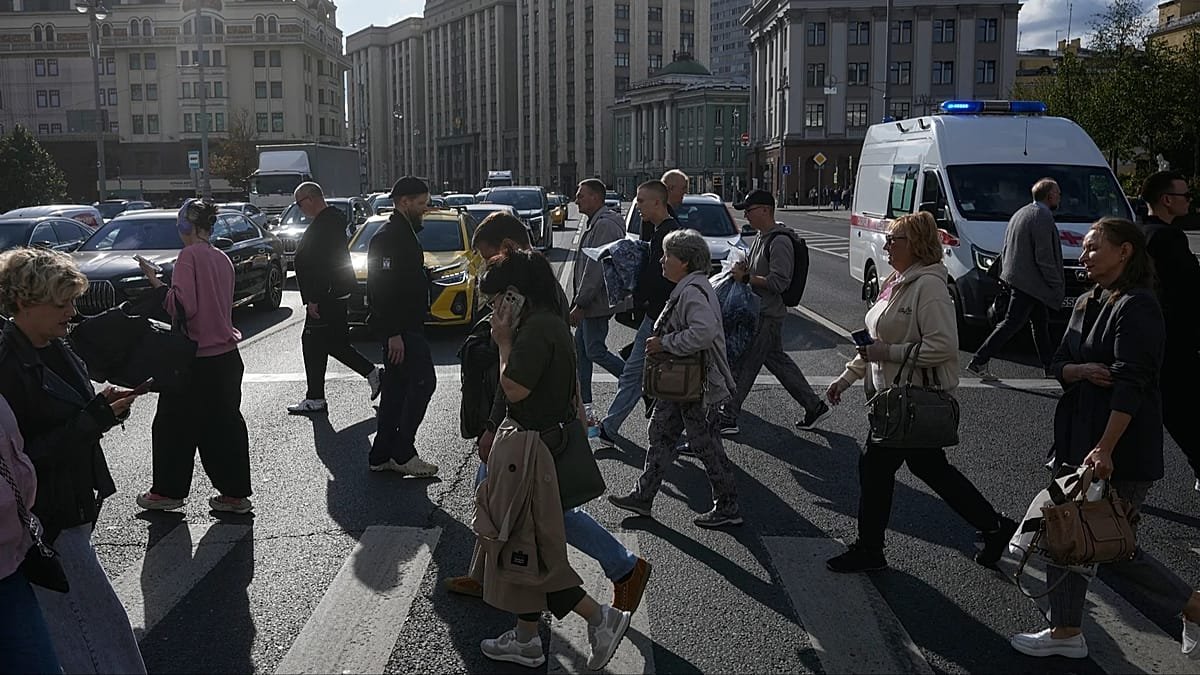
Moscow – Russia’s parliament is preparing to vote on the 2027 draft budget, which allocates a record 44 percent of federal spending to defence and security. This figure represents double the share designated for social programmes as the Kremlin continues its fifth year of full-scale war in Ukraine. The State Duma will begin examining the three-year financial plan starting on October 22. President Vladimir Putin’s United Russia party secured an absolute constitutional majority in September elections, making significant amendments unlikely before passage. Military expenditure this year has already reached 17 trillion roubles against an original budget of 12.1 trillion roubles, highlighting the escalating costs of the invasion launched in February 2022.
The Finance Ministry lists fulfilling social obligations to citizens as its top priority in the draft. However, independent analysis indicates that social policy spending will fall by 7 percent next year, dropping from 7.1 trillion roubles to 6.65 trillion roubles. This reduction covers pensions, veteran payments, maternity benefits, and other support. The government has pledged to index these payments against inflation, but official rates have exceeded 8 percent for much of the past two years, with independent economists estimating real figures are higher. A 10 trillion rouble children’s budget announced over three years stands at a one-to-five ratio compared to defence spending.
Regional authorities are increasingly bearing the burden of war-related payments, often redirecting funds from civilian social programs. In late September, the Arkhangelsk region moved more than 63 million roubles originally earmarked for foster parents and large families to one-off war payments and death compensation. Similarly, the Tula region cut 54 million roubles from spending on foster children, low-income households, disabled children, orphan housing repairs, and labour veterans to pay servicemen and compensate the dead. St Petersburg authorities prepared a bill reducing education, transport, and medical projects while increasing payments to servicemen.
Regional lump-sum death payments, informally known as coffin money, have been sharply reduced across Russia since autumn last year. These supplements to federal compensation were raised in 2022–2023 to attract recruits but have since plummeted. In Ulyanovsk, the payment fell from 1 million roubles to 50,000 roubles. Bashkortostan reduced its initial 2 million roubles to no more than 100,000 roubles. Kirov and Omsk halved payments from 1 million to 500,000 roubles. Kemerovo dropped its payment from 3 million to 1 million, while Saratov reduced it to a tenth of the previous amount.
These reductions have attracted fraud. In Primorsky Krai, a warrant officer allegedly arranged marriages between contract soldiers and local women to share compensation if men were killed. In Khabarovsk, six people were detained in February for orchestrating similar arrangements using notarised powers of attorney. Families of soldiers classified as missing or deserters receive nothing, with relatives claiming this designation is used to withhold compensation. Healthcare spending will also fall to 7 trillion roubles next year, a 6.8 percent reduction according to independent media, though the Finance Ministry disputes this. Over three years, healthcare receives 28.6 trillion roubles compared to 50 trillion roubles for the military. Ambulance funding has been cut by more than a quarter, outpatient clinic programs halved, and the national cancer programme reduced from 44.9 billion roubles this year to 3.9 billion roubles in 2027.
This report was produced in the Europe Brief News newsroom.