EU Opens 2 Ukraine Accession Clusters After Hungary Lifts Veto
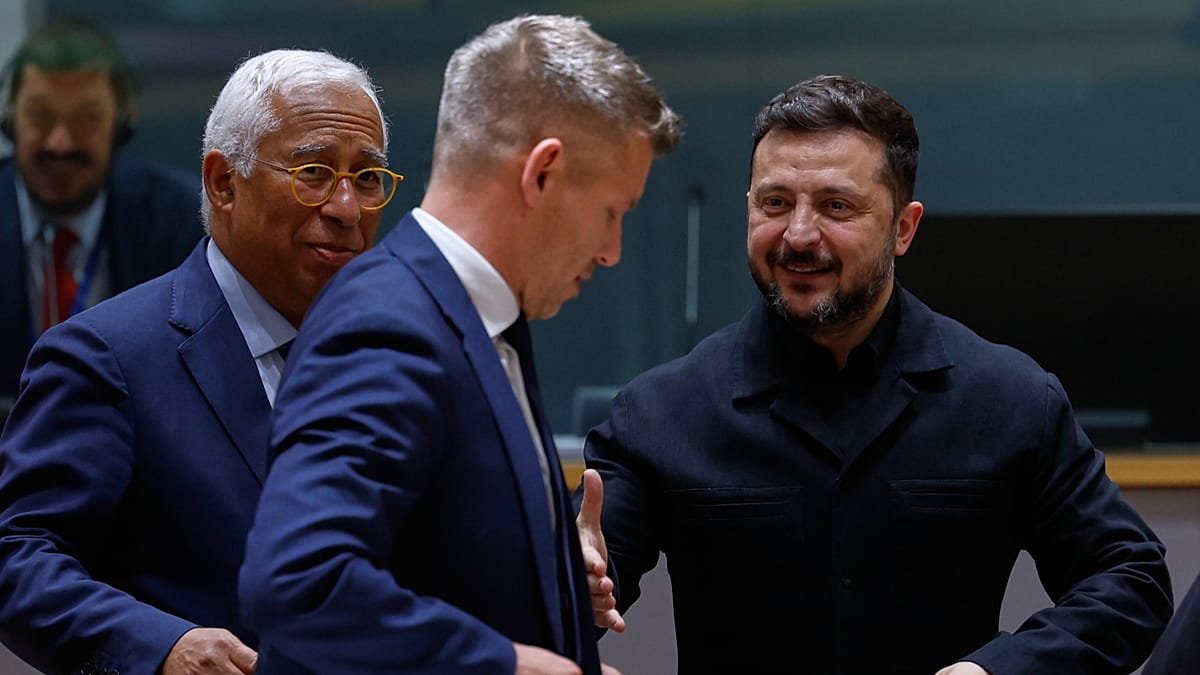
European Union member states have reached an agreement to open two additional accession clusters for Ukraine, bringing the total number of opened chapters to four out of six. This decision follows the withdrawal of Hungary’s veto, which had previously blocked further progress in the enlargement negotiations. The breakthrough was achieved after Budapest and Kyiv finalized an agreement concerning the rights of the ethnic Hungarian minority residing in Ukraine. According to reports from Euronews, Ukrainian Foreign Minister Andrii Sybiha confirmed that both sides agreed on next steps following talks with Hungarian Foreign Minister Anita Orbán in Luxembourg on Monday.
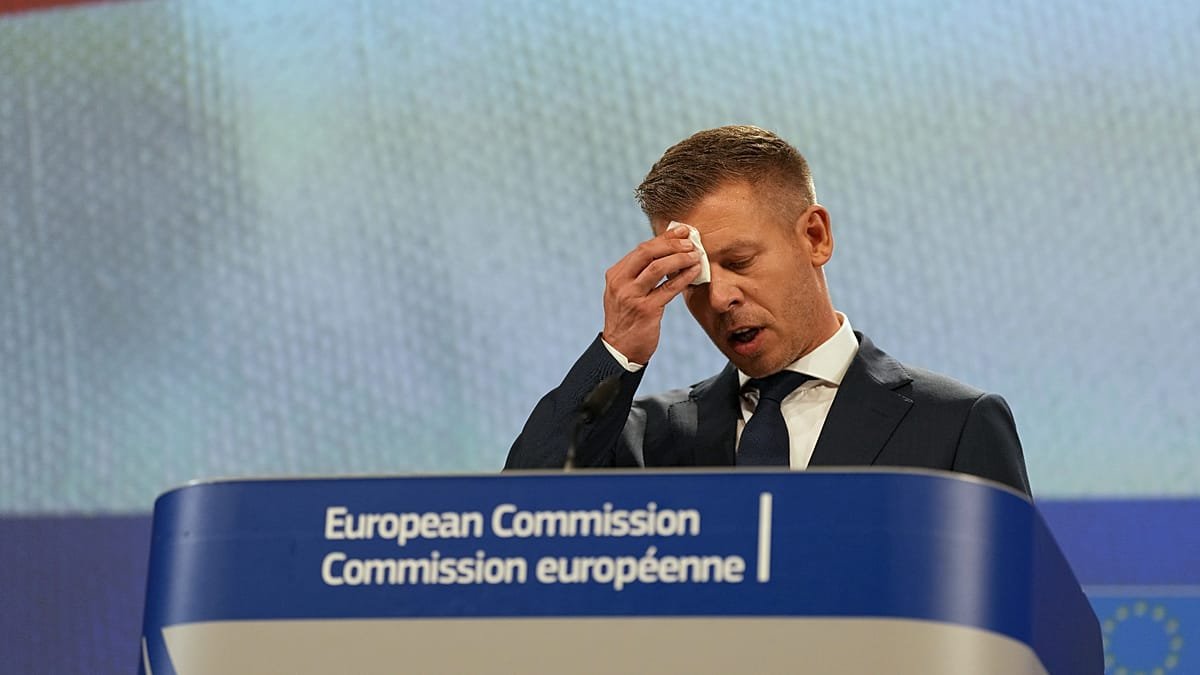
The diplomatic shift comes as Ukrainian President Volodymyr Zelenskyy and Hungarian Prime Minister Péter Magyar are reportedly working to arrange a bilateral meeting in Brussels later this week. Such a meeting could take place on the sidelines of the upcoming EU summit, although no official date has been set and the encounter remains unconfirmed. Magyar previously raised the possibility of such a dialogue during a media interview last weekend, signaling a potential turning point in relations between the two neighboring countries.
The resolution of the dispute addresses long-standing concerns raised by Budapest regarding Ukraine’s education and language laws adopted in 2015 and 2017. These regulations restricted the use of minority languages in schools, prompting repeated diplomatic tensions under the previous administration led by Viktor Orbán. Since his election victory in April, Magyar’s government has adopted a more pragmatic stance, seeking concrete legal guarantees for the Hungarian community while expressing willingness to support Ukraine’s European integration.
Under the newly agreed provisions, schools where more than half of the students are taught in a minority language that is also an official EU language will receive special legal status. Institutions that qualified when the law entered into force can retain this status provided at least 20% of their pupils continue studying in that language. The reforms expand the use of eligible minority languages in school activities and communication, adding safeguards for native-language education during school reorganizations or closures. Additionally, students taught in eligible minority or indigenous languages may request translated questions for external examinations, excluding language and literature subjects.
Ukrainian remains the primary language of state education, ensuring that the new measures do not reverse Kyiv’s broader policy of promoting the national language. The changes extend protections introduced in 2023 to minorities whose languages are official EU languages, though Russian remains outside the scope of these safeguards. While opening the next two clusters marks significant progress, it does not guarantee membership. Kyiv must still complete extensive reforms, and closing each cluster requires unanimous agreement among all EU member states. Other nations, particularly those concerned about agricultural competition within the Common Agricultural Policy, may still pose obstacles to the final accession process.
This report was produced in the Europe Brief News newsroom.