
EU Drops Associate Membership Clause From Canada Summit Declaration After German Objections
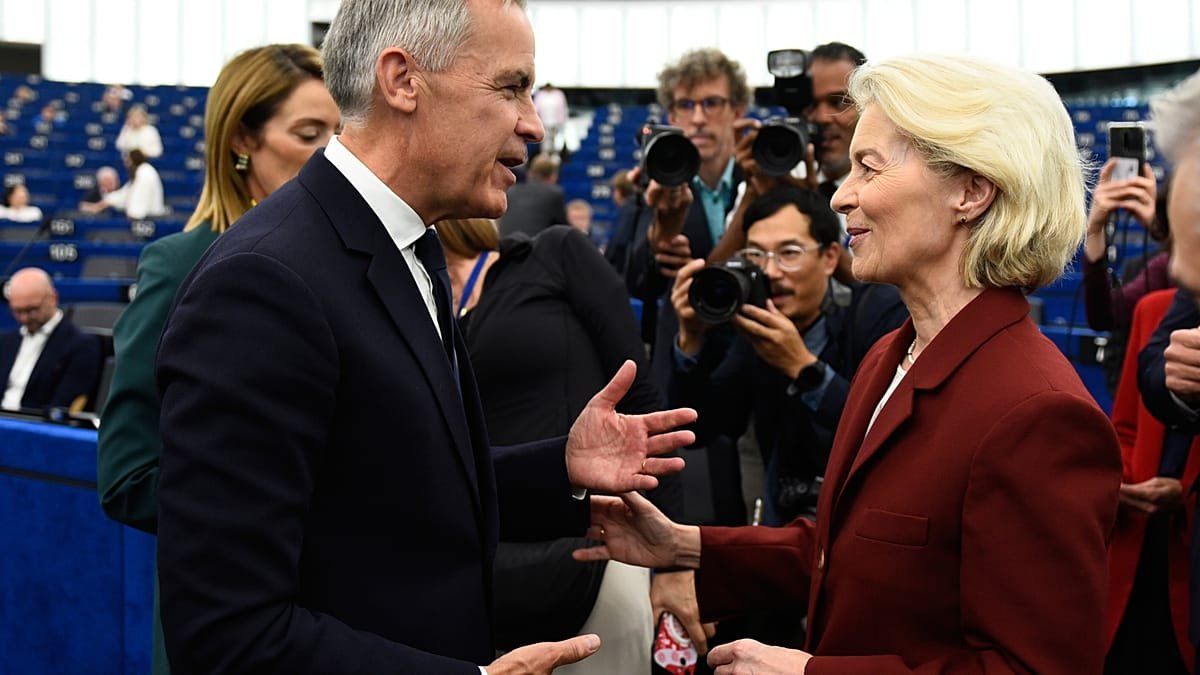
Brussels – The European Union has removed any reference to associate membership from the latest draft of the joint declaration intended for adoption at the EU-Canada summit in Montreal on Thursday and Friday. This change follows strong objections from Germany, which insisted on revising the text circulated to member states on Wednesday. The proposal has been replaced by a commitment to establish an ever closer association between the EU and Canada, a status that falls short of full membership itself.
The office of European Council President António Costa has engaged in intense talks with several member states over recent hours, particularly focusing on Germany, which objected to the original terminology in the political declaration. Commission President Ursula von der Leyen initially floated the idea of associate membership during her State of the Union address to the European Parliament last month, inviting Canada to become the first EU associate member.
An earlier draft was presented to member states on Tuesday under the silent procedure, a mechanism where a text is deemed adopted unless a country explicitly objects. During this phase, Germany, France, Italy, and Greece all raised issues with the initial wording. Germany emerged as the most vocal opponent of the term associate membership.
Chancellor Friedrich Merz had previously proposed a similar status for Ukraine as a means to provide Kyiv with security guarantees before it fully joins the bloc. For Berlin, the priority remains defining what closer cooperation with Ottawa entails in practical terms, rather than forcing the package into a term absent from the treaties that could carry significant legal implications.
Canadian Prime Minister Mark Carney has favoured the phrase alliance for the future, stating that he wanted to focus on the substance of the agreement while leaving the specific terminology for the EU to settle. The latest version of the text has been submitted again for the silent procedure, meaning it will be adopted unless EU countries object later this afternoon.
This report was produced in the Europe Brief News newsroom.