
At Least 10 Feared Dead After High-Speed Train Collision in Central Spain
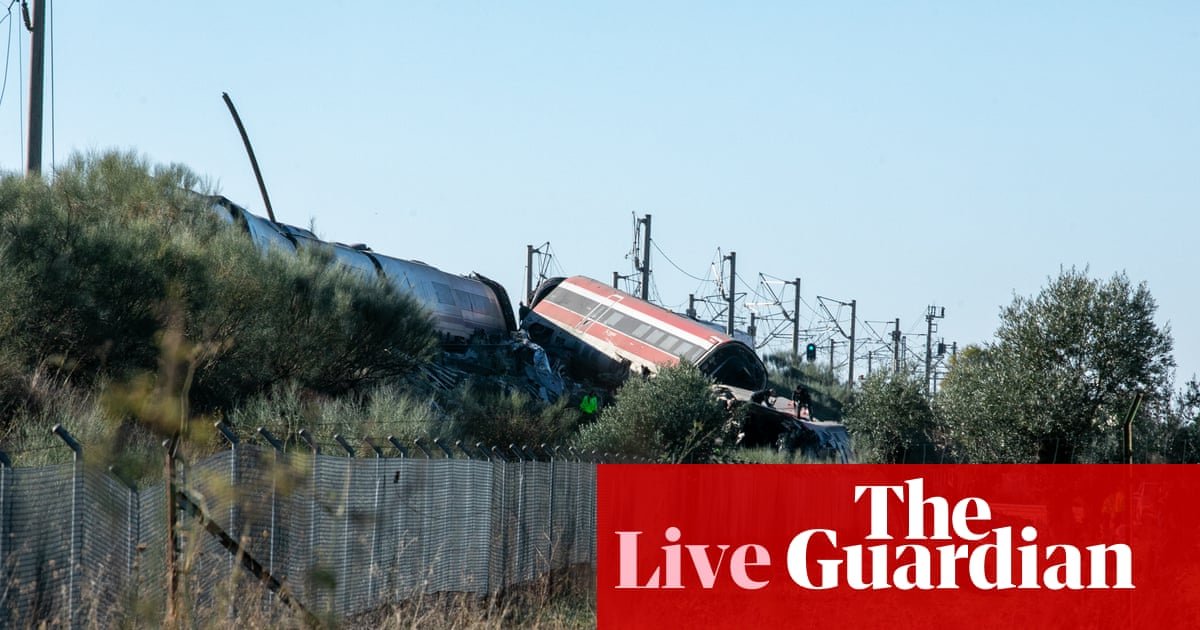
At least 10 people are feared dead and many others injured after two high-speed trains collided in the province of Toledo in central Spain. The incident occurred on Wednesday morning, prompting an immediate suspension of rail services connecting Madrid with the southern region of Andalucía. Spain’s state rail infrastructure authority, known as ADIF, stated that the accident involved a rear-end collision between the two trains.
A spokesperson for the regional government of Castilla-La Mancha, where the crash took place, indicated that the exact cause of the accident and the total number of injuries had not yet been determined. Government sources told the newspaper El País that at least 10 individuals had been killed. These same sources suggested that the severity of the crash could potentially exceed that of the Adamuz rail disaster which occurred in January, an event that resulted in 46 deaths.
The collision has disrupted travel across a significant portion of the Spanish rail network. ADIF announced that all services running between the capital city of Madrid and the Andalusia region were halted following the rear-end collision. Emergency response teams have been deployed to the scene to assist those affected by the crash.
Investigations into the precise circumstances leading to the collision are ongoing. Authorities are working to establish how one train managed to strike another from behind, a scenario that raises serious questions about signaling systems and operational protocols. The regional government spokesperson emphasized that details regarding the number of injured passengers remain unclear as medical personnel continue to treat victims.
The Adamuz disaster serves as a grim reference point for the current tragedy. In January, a similar rail accident claimed 46 lives, marking one of the worst incidents in recent Spanish railway history. If the death toll in the Toledo collision rises significantly, it would represent a major setback for safety standards in the country's high-speed rail network.
Passengers traveling between Madrid and southern Spain face substantial delays and cancellations as authorities assess the damage and clear the tracks. The suspension of services affects a critical corridor for both commuters and tourists, highlighting the interconnected nature of the national rail system.
As of now, no official figure has been released confirming the final death toll or the full extent of injuries. The regional government of Castilla-La Mancha continues to monitor the situation closely, while ADIF works to restore normal operations as soon as possible. Further updates are expected as more information becomes available from emergency responders and investigators on the ground.
This report was produced in the Europe Brief News newsroom.