Australia Inflation Hits 4.3% as RBA Faces Pressure for Fifth Rate Hike Amid Middle East Crisis
Australia’s headline inflation rate has accelerated to 4.3%, a figure that sharpens expectations of another interest rate rise by the central bank next week. The Reserve Bank of Australia’s preferred measure of consumer prices, known as underlying inflation, came in at an annual 3.6% for the period ending in September. This release occurs just days before the monetary policy decision on 3 November, when most economists are predicting a further increase in borrowing costs.
RBA officials have strongly indicated that the board may need to lift rates further to drag price growth back toward its 2.5% target. They cite concerns regarding a materially worse inflation outlook. Andrew Hauser, the deputy governor, described the inflation numbers as too high during Senate estimates on Wednesday. He warned of a nightmare risk that longer-term inflation expectations could pick up, making it harder to eliminate inflation from the system. Hauser stated that while this risk is not necessarily crystallising yet, it remains a particular concern for policymakers.
The cash rate already stands at 4.6%, its highest level in 15 years, following four rate hikes in 2026. A fierce political debate has erupted over what is driving the cost-of-living squeeze. Critics point to a mix of high fuel prices caused by the Iran conflict, government spending, and poor productivity. Treasurer Jim Chalmers said on Wednesday that while the government accepts its part in the fight against inflation, high oil prices and a recovering private sector are the main causes of the rise. He emphasized that the most important thing for Australians under pressure is to see an end to the war in the Middle East, describing the conflict as disastrous for global inflation and living costs.
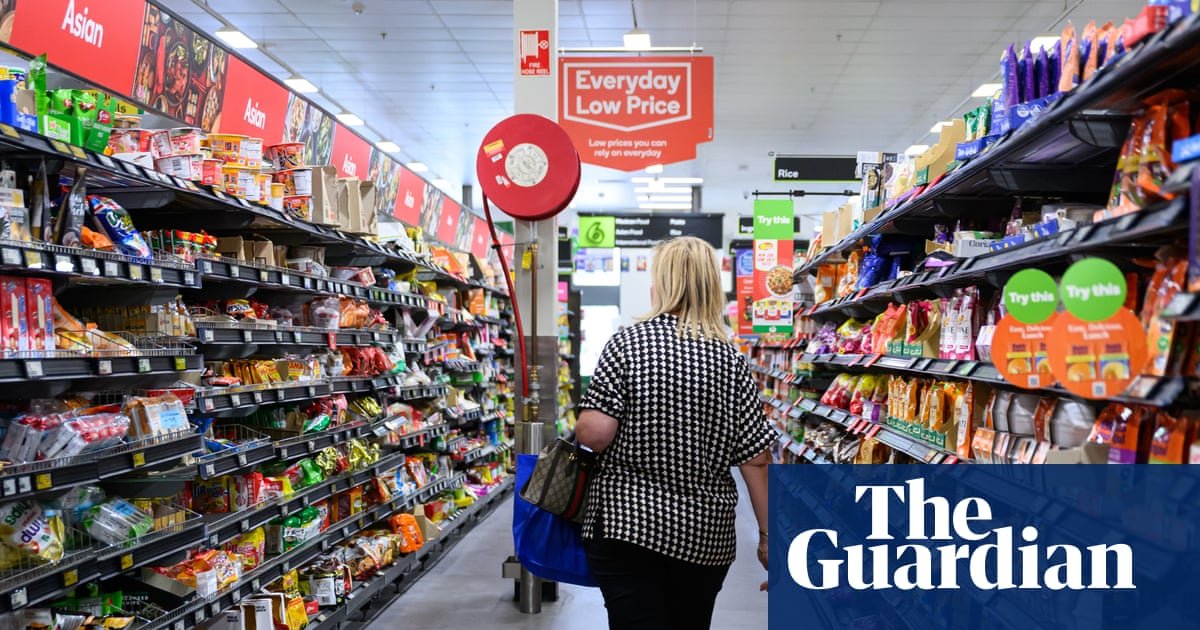
CPI figures released by the Australian Bureau of Statistics show that costs for everyday goods and services are rising alongside unemployment. Transport costs have risen 8.7% over the past 12 months, largely due to escalating fuel prices stemming from the conflict involving the US, Israel, and Iran. Food prices jumped another 3.2% annually, and housing costs were up 5.2%. Stephen Smith, partner at Deloitte Access Economics, said the RBA had little appetite to allow inflation expectations to drift higher after such a prolonged period above target. He noted that the economy is already slowing, with subdued household spending, a softened labour market, and a weakened housing market.
Housing, the single biggest category in the CPI, was the largest contributor to annual inflation according to the ABS, followed by transport costs. Builders have been passing on higher costs for materials and labour for new dwellings, while electricity prices remain elevated. Josh Gilbert, market analyst at eToro, said inflation was turning into a higher-for-longer story in Australia. He advised that anyone holding out for rate relief may need patience, as another hike looks imminent following the latest data.
This report was produced in the Europe Brief News newsroom.