Australia’s eSafety Commissioner Warns of Dangerous Online Environment for Women in Public Life
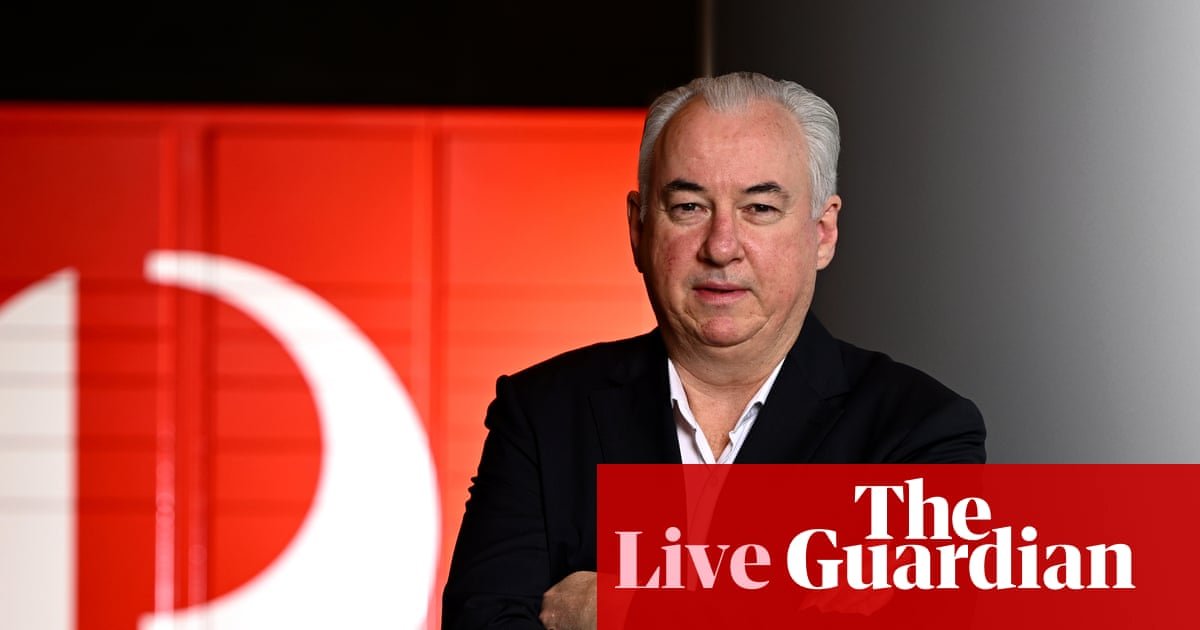
Dublin – Julie Inman Grant, Australia’s eSafety commissioner, testified before the Senate estimates committee on Tuesday evening, describing the current digital landscape as a "dangerously febrile" environment for women holding senior government positions. Her appearance came in the wake of the alleged attack on independent MP Helen Haines, which Inman Grant characterized as marking a sensitive and pivotal moment for parliament. She noted a heavy atmosphere across the nation following the incident, warning that the convergence of online hate and real-world violence poses significant risks to public safety.
Inman Grant revealed that she and her family have endured an onslaught of online abuse and threats throughout her ten-year tenure in the role. She stated that when public officials are utilized for political point scoring, they effectively become targets, subjected to relentless harassment that is often wrongly accepted as a standard part of public service. Although she did not name specific individuals who have targeted her personally, her work has drawn sharp criticism from high-profile figures. Elon Musk, described as the world’s richest person, has labeled her a "censorship commissar," while US Republican congressman Jim Jordan has called her a "zealot for global takedowns." These incidents illustrate the intense scrutiny faced by regulators attempting to manage digital platforms.
Reflecting on the evolution of social media, Inman Grant argued that these platforms are no longer the benign digital town squares once envisioned. Instead, she compared them to a gladiatorial arena where users are pitted against one another in hostile environments. She expressed concern that major technology companies continue to roll back policies designed to combat abuse and violent speech, effectively allowing some of the most egregious offenders to escape accountability. This regulatory retreat exacerbates the challenges faced by commissioners tasked with protecting citizens from digital harm.
The commissioner emphasized the urgent need to ensure that the next generation of leaders feels safe participating in online spaces or taking on public-facing roles. The testimony highlighted how lone actors are increasingly motivated by a complex mix of personal grievances, mental health vulnerabilities, and ideological concerns. Historically, factors such as geographic isolation and analogue systems helped mitigate some threats, but fully integrated technologies have removed these buffers, allowing online hostility to spill into the physical world more easily. AFP Commissioner Krissy Barrett, who also appeared at the hearing, supported this view by noting the heaviness hanging over Australia after the attack on Haines.
Inman Grant’s final appearance before the committee underscored the growing pressure on Australian regulators to adapt to a rapidly changing threat landscape. As platforms modify their content moderation strategies, the responsibility falls increasingly on government bodies to enforce safety standards. The warnings provided during the Senate estimates hearing serve as a stark reminder of the human cost associated with unchecked online toxicity. With the political environment becoming more polarized, the call for robust protections for public officials and citizens alike has never been more critical. The testimony concluded with a plea for systemic changes to prevent further escalation of digital violence into real-world consequences.
This report was produced in the Europe Brief News newsroom.