Trump Endorses Netanyahu Days Before Israeli Vote
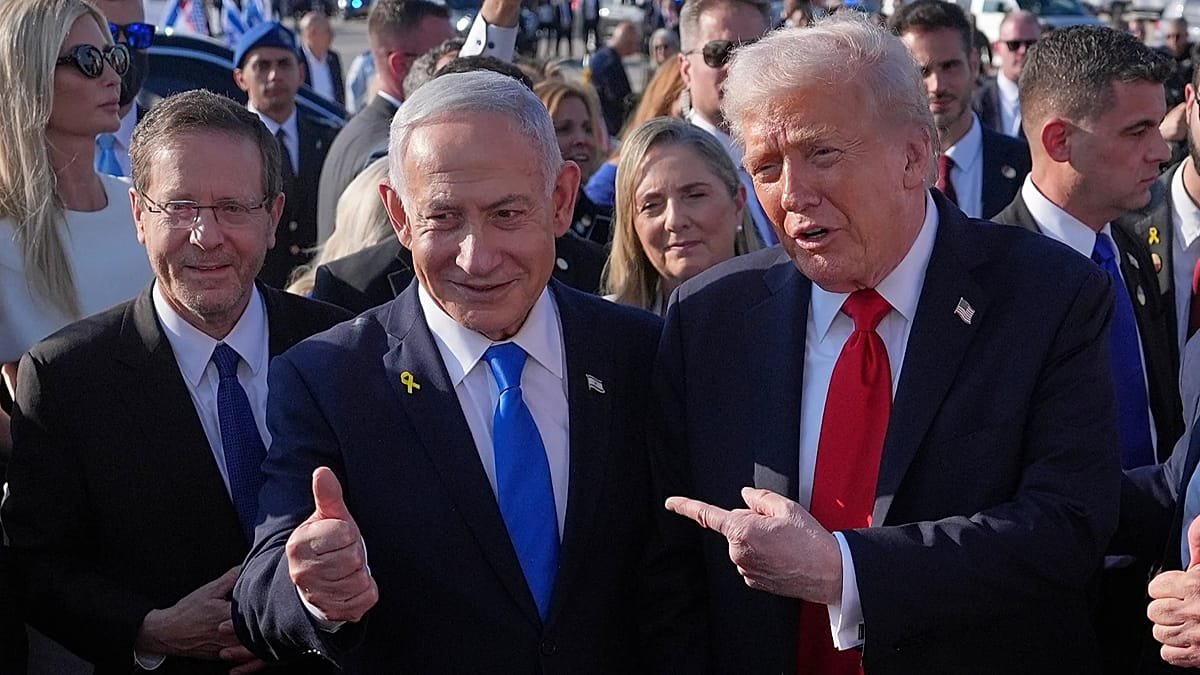
Dubai – US President Donald Trump on Sunday formally endorsed embattled Israeli Prime Minister Benjamin Netanyahu during the final phase of his reelection campaign, marking a significant shift after months of public silence. The endorsement arrives just days before Israelis head to the polls on October 27 for the first national elections since the Hamas attacks on October 7, 2023. While Trump’s support offers a coveted boost given his popularity in Israel, it follows a period where the two leaders’ strategies regarding Iran and Gaza had noticeably diverged.
In a post on social media, Trump described Netanyahu as “a great warrior prime minister and an even greater partner for peace in combatting the Islamic Republic of Iran.” He added that he might not want to finish the job against Tehran if Netanyahu loses the upcoming vote. “If Israel has the wrong leader, which would be anyone other than Bibi, America will have to do this work ourselves, and I am not inclined to do so,” Trump said. He characterized Netanyahu as “strong, brave, and brilliant in the face of tremendous opposition, including that coming from even Israel itself.”
Netanyahu responded with gratitude, stating in a Hebrew-language statement on X: “Thank you, President Trump, for the tremendous support and work together. Together we will complete the mission!” The Likud party attached a 35-second video to the statement, featuring clips of the two leaders together and Trump praising the Israeli premier. The lack of an earlier endorsement had been a blow to the Likud politician, who had billed his close ties to Trump as a key selling point for staying in power.
The timing of the endorsement comes amid growing friction between the two allies. Over the course of the nearly eight-month war with Iran this year, they clashed on several strategic decisions. Trump criticized Israel’s decision to attack a key Iranian gas field in the early weeks of the conflict. In June, he called Netanyahu “crazy” and expressed perturbation that fighting with Hezbollah militants in Lebanon was hindering peace talks with Iran. Furthermore, Netanyahu rejected Trump’s latest ceasefire plan for Gaza in August, which called for an Israeli withdrawal from controlled territories before Hamas was disarmed.
Despite these tensions, Trump remains popular in Israel, though many citizens and commentators have voiced disappointment over the inconclusive outcome of the Iran war and Trump’s ceasefire proposal, which fell short of joint goals set when the war launched in February. In a recent Time magazine interview, Trump claimed, “I’m not involved in politics anymore,” despite continuing to campaign for and endorse foreign politicians. This pattern includes endorsements for Hungarian Prime Minister Viktor Orbán, Japanese Prime Minister Sanae Takaichi, Polish President Karol Nawrocki, and several Latin American leaders during his second term.
Trump previously backed Netanyahu in past elections, notably writing to Israeli President Isaac Herzog in November asking him to pardon Netanyahu on corruption charges. It remains unclear what impact this late-stage endorsement will have on a race expected to be tight. The absence of prior support had already served as a setback for Likud, forcing the party to rely heavily on historical footage to highlight the alliance as the vote approaches.
This report was produced in the Europe Brief News newsroom.