French Govt Crisis After State Failure in Violent Unrest
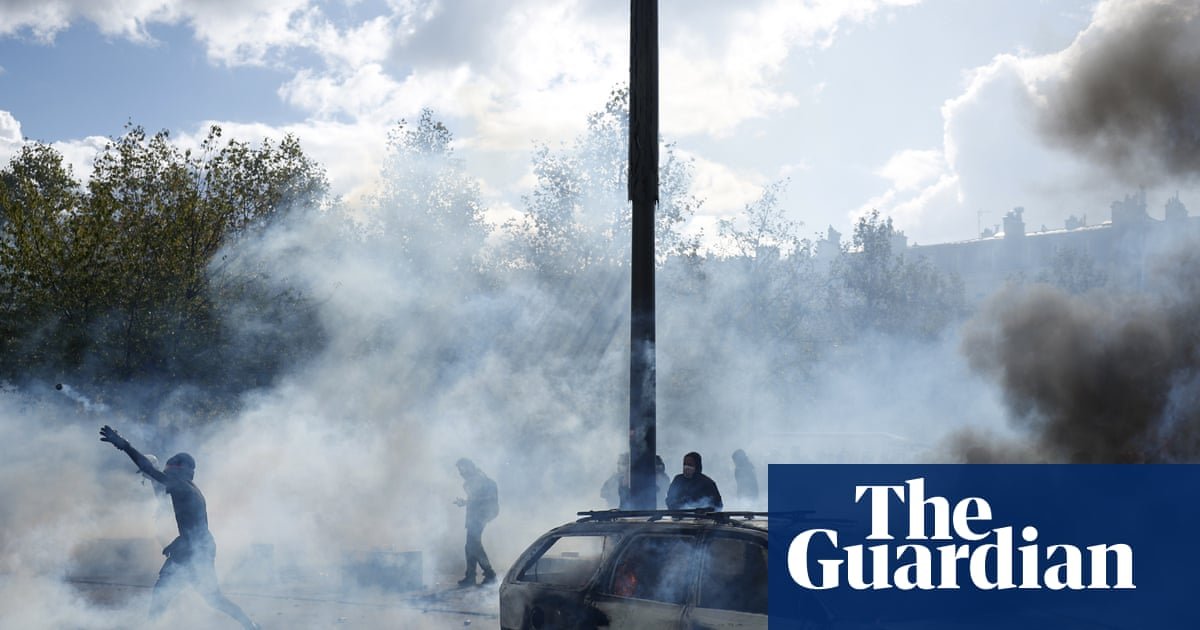
The French government was engaged in emergency crisis talks on Sunday after one of the most violent days of civil unrest in recent years resulted in burned public buildings, hundreds of destroyed shops, and more than 2,000 arrests across the country. Politicians from both the left and the right demanded the resignation of Interior Minister Laurent Nuñez, arguing that the administration had been caught off guard by the scale of violence as state facilities were stormed and set ablaze, bus stops were smashed, roads were barricaded, and commercial properties were looted. President Emmanuel Macron, who is scheduled to leave office next spring, prepared to address the nation on Sunday night, stating on social media that there was no place for violence in France.
Police and officials faced complex challenges on Saturday, beginning with tens of thousands of peaceful protesters attending calm marches in major cities including Paris to support schoolchildren’s demands for more teachers and repairs to dilapidated schools. These demonstrations, which followed four weeks of street marches and school barricades, included parents, teachers, grandparents, students, and workers protesting the high cost of living. Demonstrators carried banners accusing the government of not listening and calling for increased funding for public services. Separately, however, different groups surprised police with moving gatherings, sporadic burning, street barricading, and clashes in cities such as Paris, Bordeaux, Nice, and Marseille. Masked looters then exploited what French media described as street chaos to smash shopfronts and steal goods. In Paris, some individuals appearing to be children were seen running through the night with clothes and shoeboxes after masked adults broke into stores. Police reported a record 855 arrests in the capital, where burnt-out barricades made from bikes and bins littered streets on Sunday.
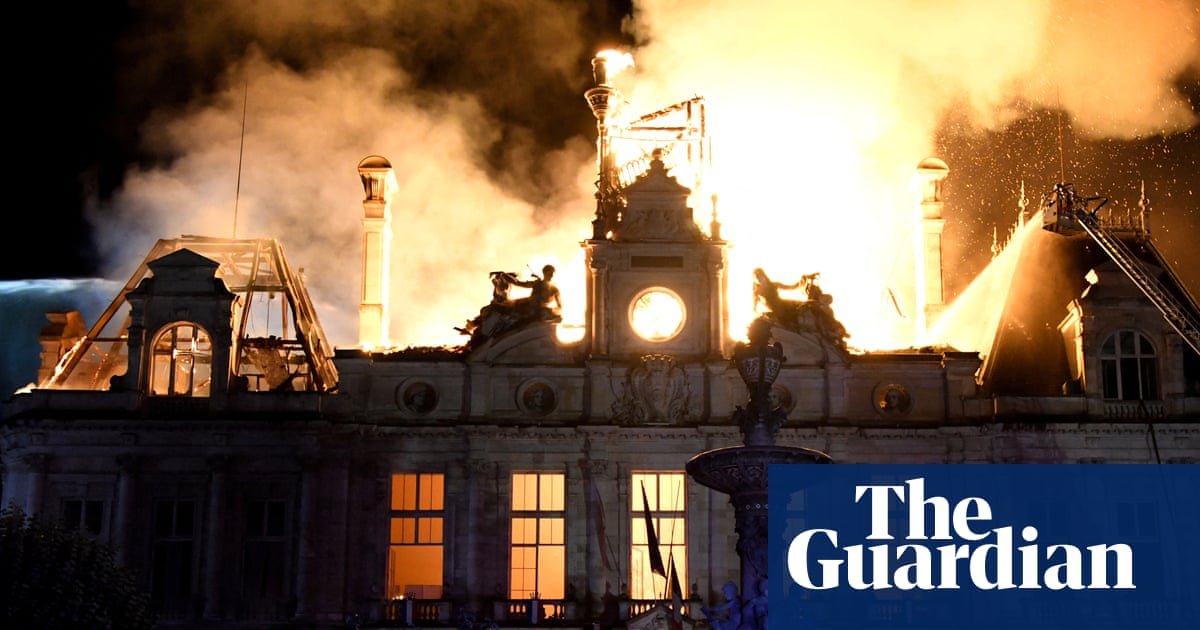
Lamia El Aaraje, the Socialist deputy mayor of Paris, told reporters she believed the city had experienced a level of violence never seen before. In Limoges, Mayor Guillaume Guérin said the people who stormed and burned the 19th-century town hall were not demonstrators defending causes but people organized for war. He stated that rioters threatened to kill a building caretaker and burn elected officials, describing the situation as a colossal failure of the state because municipal police ran out of munitions. In Marseille, Mayor Benoît Payan told BFMTV he had never lived through such an event, noting that hordes of rioters attacked state buildings with no real demands other than wrecking legitimate protests. Grégory Doucet, the Green mayor of Lyon, expressed shock at the violence against public property and told Le Monde that shop owners felt abandoned, urging the government to find nuance and avoid stereotypes while addressing long-standing societal demands.
Traders’ unions reported that over 1,500 shops and businesses had been ransacked, causing losses in the tens of millions of euros. One Paris shoe-shop owner insisted these actions were unrelated to peaceful protesters, describing them as organized groups breaking things. Opposition politicians questioned policing tactics and intelligence failures. The interior ministry confirmed more than 2,000 arrests and about 600 injuries among police, firefighters, and paramedics, including a 17-year-old boy in Saint-Étienne who lost his right hand to a crowd-control grenade. Both Prime Minister Sébastien Lecornu and far-right presidential candidate Marine Le Pen blamed ultra-left groups for the violence. Lecornu stated the government would not be intimidated and accused Jean-Luc Mélenchon of organizational failings that opened the door to chaos, while Mélenchon countered that blaming police heads was a cynical reversal of responsibilities.
This report was produced in the Europe Brief News newsroom.