Sudanese Diabetic Patients Face Impossible Choice Between Food and Medicine Amid War
Hasanat al-Rashid, a 48-year-old woman who has managed diabetes for 15 years, describes her daily life as a relentless struggle to secure necessary treatment following the outbreak of civil war in April 2023. The conflict between Sudan’s military and the Rapid Support Forces paramilitary group has severely deteriorated her health conditions, compelling her to flee her home in Haj Yousif, Khartoum North, for Umm Daw Ban in Khartoum State. During this initial displacement, she endured periods without medication and was forced to consume unsuitable traditional foods, such as asida porridge, which exacerbated her condition. This neglect led to severe complications, including infections that required two foot surgeries.
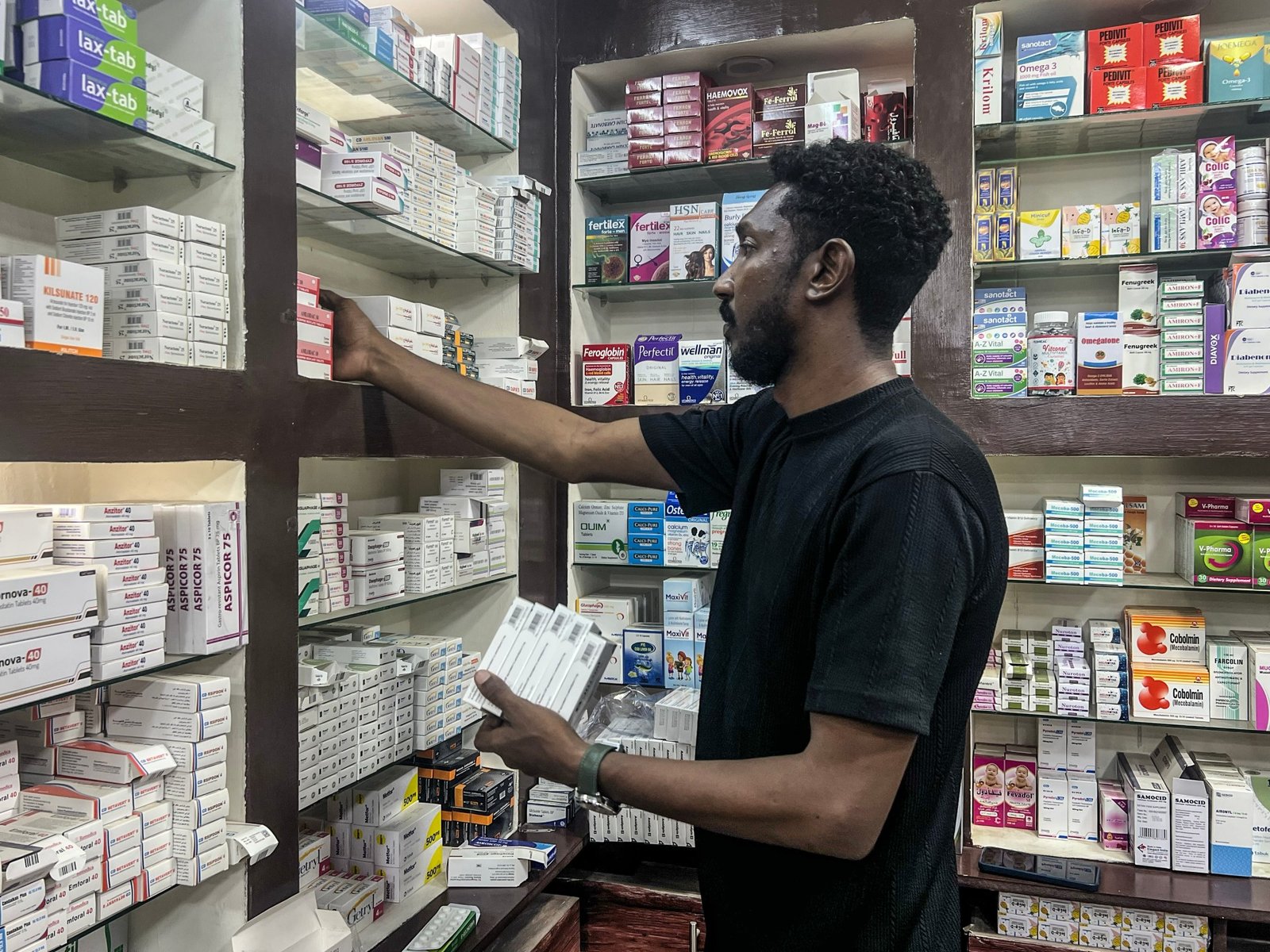
As fighting spread southward in December 2023, al-Rashid moved between hospitals in Gezira State, seeking care in Rufaa, Wad Madani, and Al-Hasahisa. When hostilities reached these areas, she fled again, eventually settling in Port Sudan on the Red Sea coast, a region less affected by the violence. Her medical status has worsened significantly; she now requires daily insulin injections, a necessity that imposes substantial financial burdens. According to al-Rashid, the dosage varies based on her blood sugar levels, but the cost remains a constant barrier. She stated to Al Jazeera that the escalating expenses force diabetic patients in Sudan to make impossible choices between purchasing medicine and buying other essentials like food.
The economic collapse underlying these personal tragedies is documented by the United Nations Development Programme, which reported that the war has pushed national income levels back to those last seen in the 1990s. This drastic reduction in purchasing power means that individuals like al-Rashid cannot afford the consistent medication required to manage chronic conditions. The combination of displaced infrastructure, soaring costs, and interrupted supply chains has created a humanitarian crisis where survival depends on prioritizing immediate caloric intake over long-term medical management.
This report was produced in the Europe Brief News newsroom.