Spain Braces for Nationwide Protests After Parliament Blocks Tenant Protections
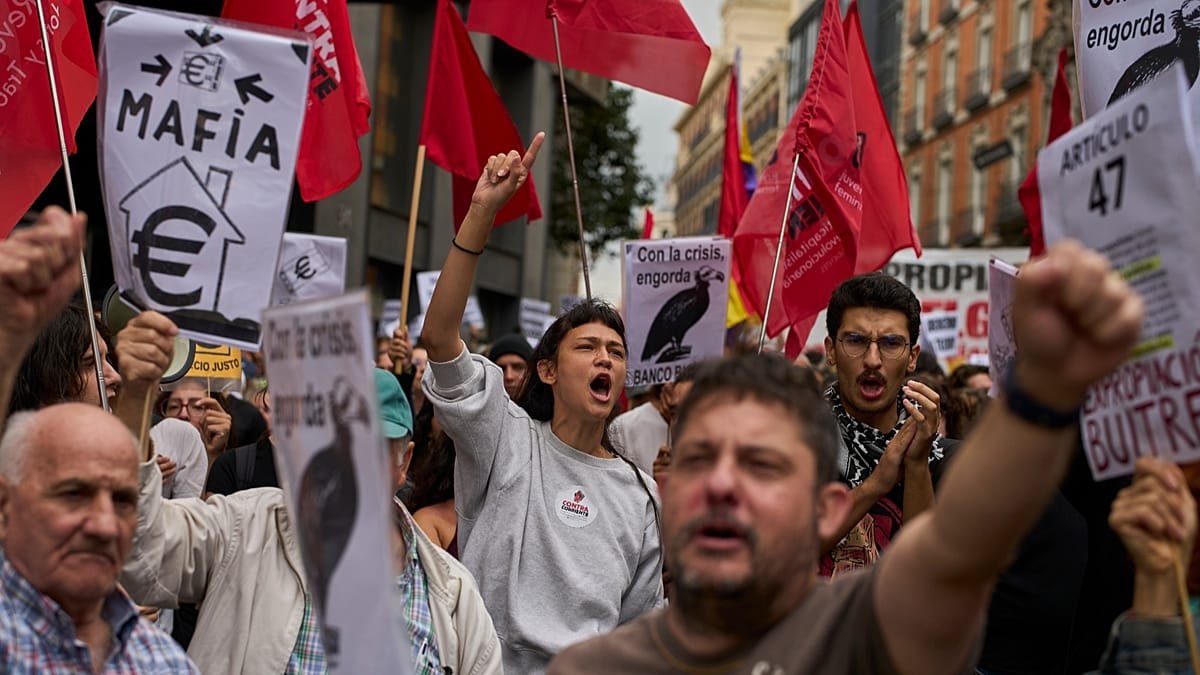
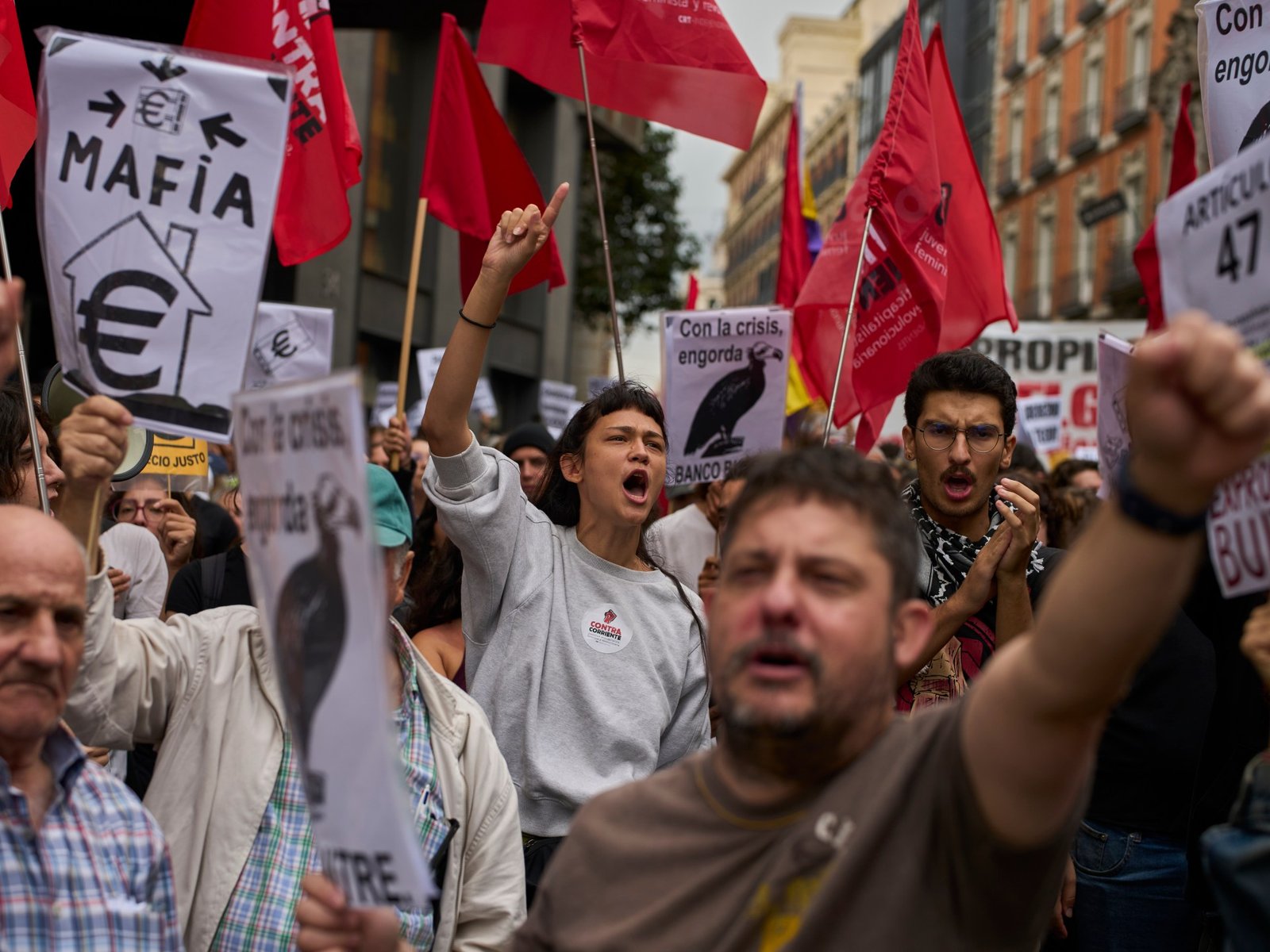
Protests are expected in Madrid and other major Spanish cities on Saturday, following the rejection by parliament of two government decrees designed to strengthen tenant protections. The demonstrations, coordinated by the Tenants' Union, are set to take place in more than fifty cities across the country. This political setback for Prime Minister Pedro Sánchez’s minority government was triggered by public outrage over soaring housing costs and a specific incident involving the eviction of an elderly resident.
The catalyst for the current unrest was the eviction of Maricarmen Abascal, an eighty-seven-year-old woman who had lived in her Madrid apartment for approximately seven decades. According to housing campaigners, an investment company purchased the property and attempted to increase her rent by two hundred and seventy-five percent. Ms. Abascal was carried out on a stretcher during the eviction process. Following significant public backlash, the new owners agreed to allow her to return to the flat at a reduced rent rate. This case galvanized activists, who have been camping in Puerta del Sol, one of the capital’s main tourist squares, for about a week prior to the scheduled marches.
In Madrid, demonstrators are due to leave from several points around the city at noon and converge on Plaza de Cibeles in the centre. The Tenants' Union issued a statement regarding the mobilization, asserting that "there is an irreparable disconnect between what the people want and what the parties vote for." The rejected measures would have renewed rental contracts automatically upon expiration and restricted evictions of vulnerable tenants. The package also targeted so-called vulture funds, defined as investment firms that buy properties cheaply in pursuit of higher returns.
The defeat of these decrees occurred because they required the votes of the Catalan separatist party Junts. According to reports, Junts opposed the measures on the grounds that they lacked rigour. This parliamentary loss represents a further setback for Mr. Sánchez, reviving doubts about whether his minority government can survive until the next scheduled general election in twenty-twenty-seven. Alberto Núñez Feijóo, leader of the conservative Popular Party (PP) and the main opposition, urged the prime minister to call elections as soon as possible. He stated that after eight years in power, Mr. Sánchez had the backing of neither the streets nor parliament.
Housing remains a leading concern for Spaniards, with supply falling short of demand and costs soaring, mirroring trends elsewhere in the European Union. Average rents have almost doubled over the past decade, while asking prices for homes are up about ninety percent, according to the real estate website Idealista. Recent opinion polls generally place the PP ahead of the Socialists, intensifying pressure on the current administration to address the housing crisis effectively.
This report was produced in the Europe Brief News newsroom.