
Spanish Parliament Rejects Govt Housing Decrees Amid Protests
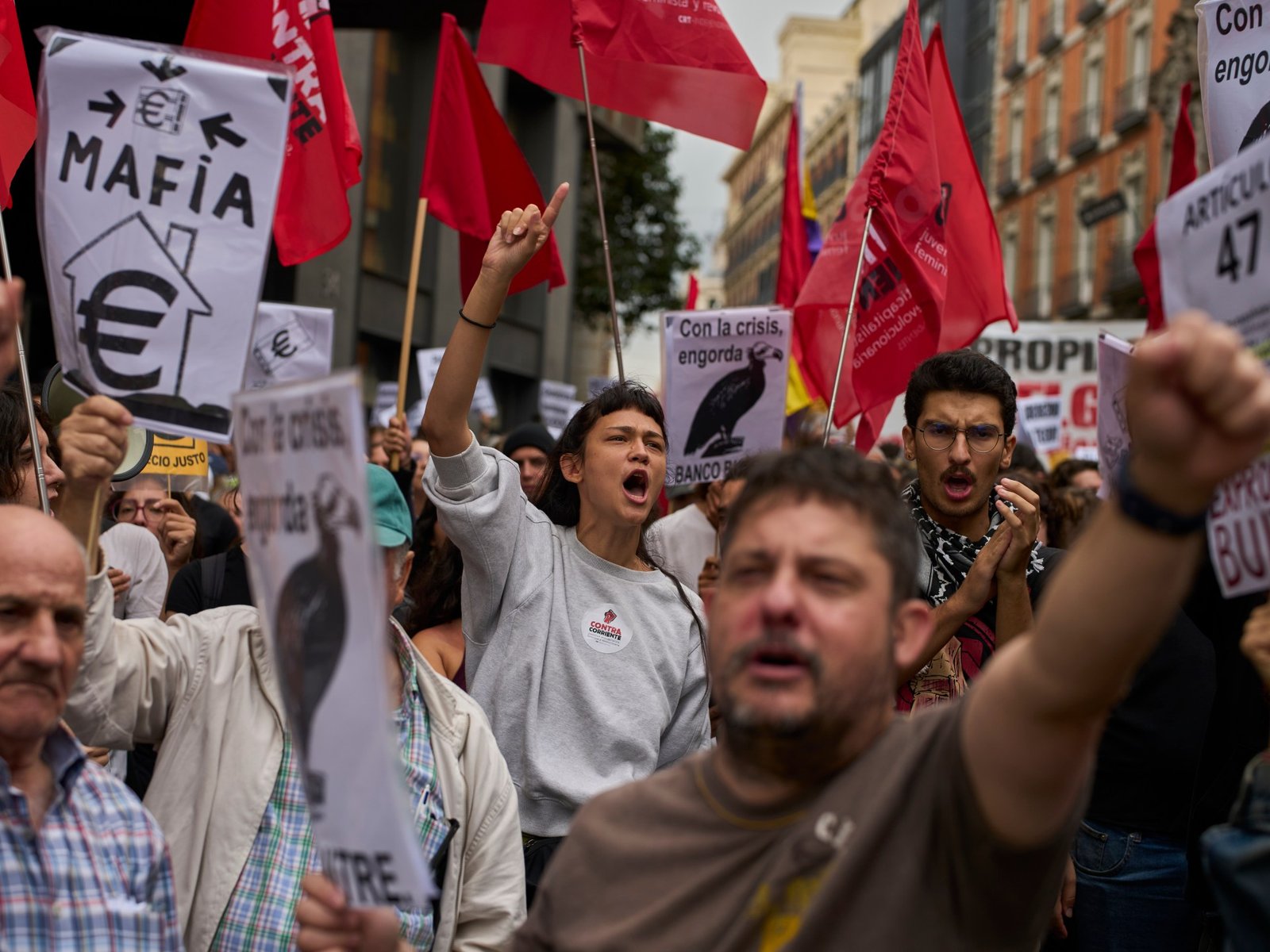
Madrid – Spain’s government suffered a major legislative defeat on Friday when the 350-seat lower house of parliament rejected two key decrees designed to address the country’s deepening housing affordability crisis. The votes marked a significant setback for Prime Minister Pedro Sanchez, whose administration is facing mounting public pressure and intensified demonstrations following recent high-profile evictions.
The rejection occurred after weeks of heightened tension, notably triggered by the eviction of an 87-year-old woman last month, which sparked widespread outrage and mobilized hundreds of protesters outside the parliamentary building. These demonstrators demanded immediate government intervention to protect renters from rising costs and displacement. The outcome of the vote represents a heavy blow to Sanchez, who leads a coalition government formed by his Socialist Party and the far-left Sumar movement.
The first decree aimed to provide safeguards for vulnerable tenants by halting evictions, restricting real estate speculation, and imposing stricter regulations on short-term leases. It also sought to introduce tax incentives to encourage both long-term renting and new housing construction. The second proposal focused on stabilizing rental contracts by making them automatically renew upon expiration, effectively creating indefinite tenancies. Under this plan, property owners would be required to compensate tenants with twelve months of rent if they wished to terminate the contract.
Despite the government’s appeals, the measures failed to secure the necessary support. The right-wing Catalan separatist party Junts opposed the decrees, arguing that the proposed interventions would ultimately tighten the housing market rather than alleviate it. The centre-right Popular Party and the far-right Vox also cast their votes against the measures, ensuring their defeat in the lower house.
In the run-up to the vote, Sanchez urged lawmakers to transcend political calculations and consider the urgent needs of citizens. He emphasized the human cost of the current situation, stating, “Think about ordinary people, about those who most need the protection of public institutions. Think about the millions of young people who cannot afford to move out of their parents’ homes. Think about the families living with the constant anxiety of ever-rising rents.”
The failure of these emergency measures underscores the growing difficulty for the ruling coalition in balancing economic policies with social demands. With opposition parties united in their criticism and public sentiment firmly against the status quo, the government now faces the challenge of finding alternative solutions to a crisis that continues to affect millions of households across the nation.
This report was produced in the Europe Brief News newsroom.