Serbia Ousts Vučić as Student List Wins Landslide Parliamentary Victory
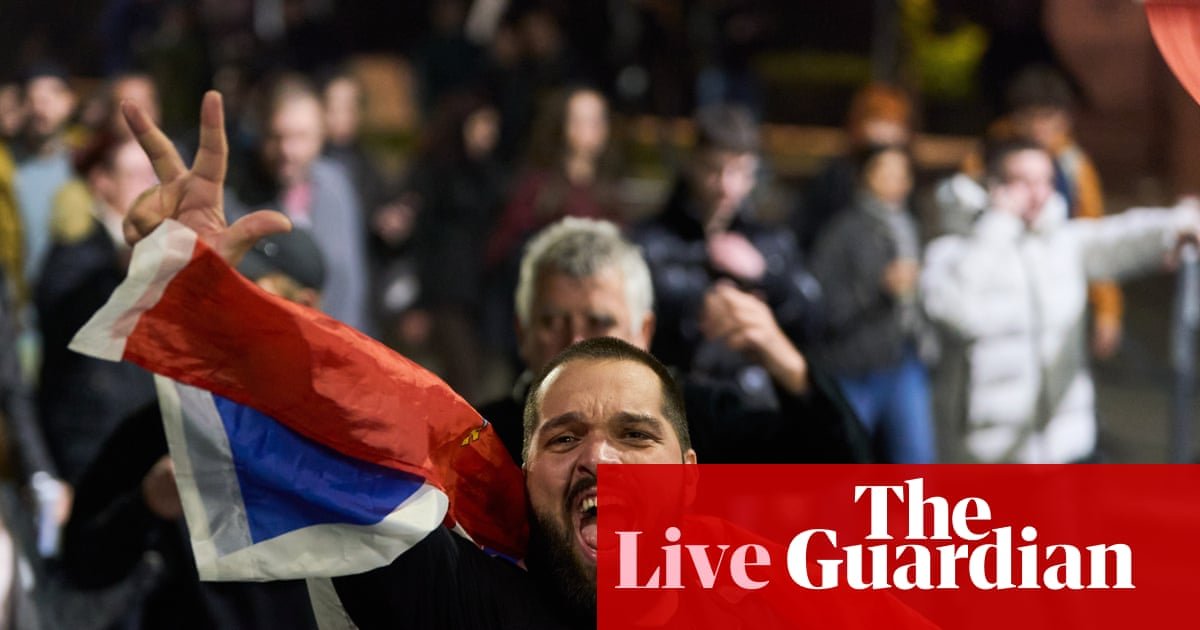
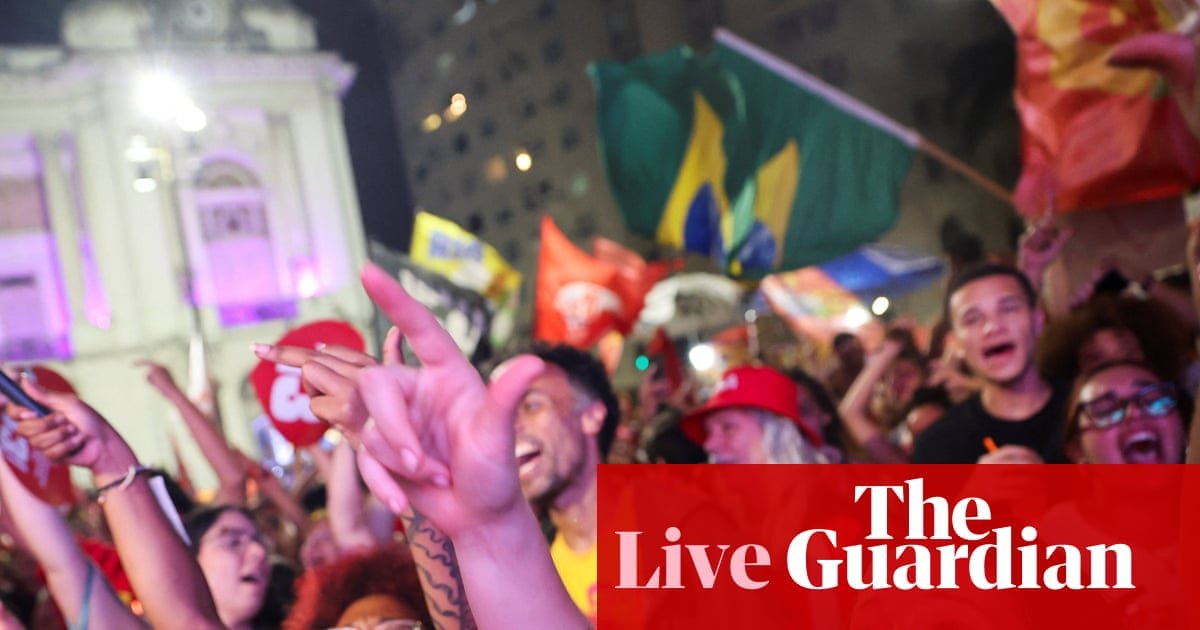
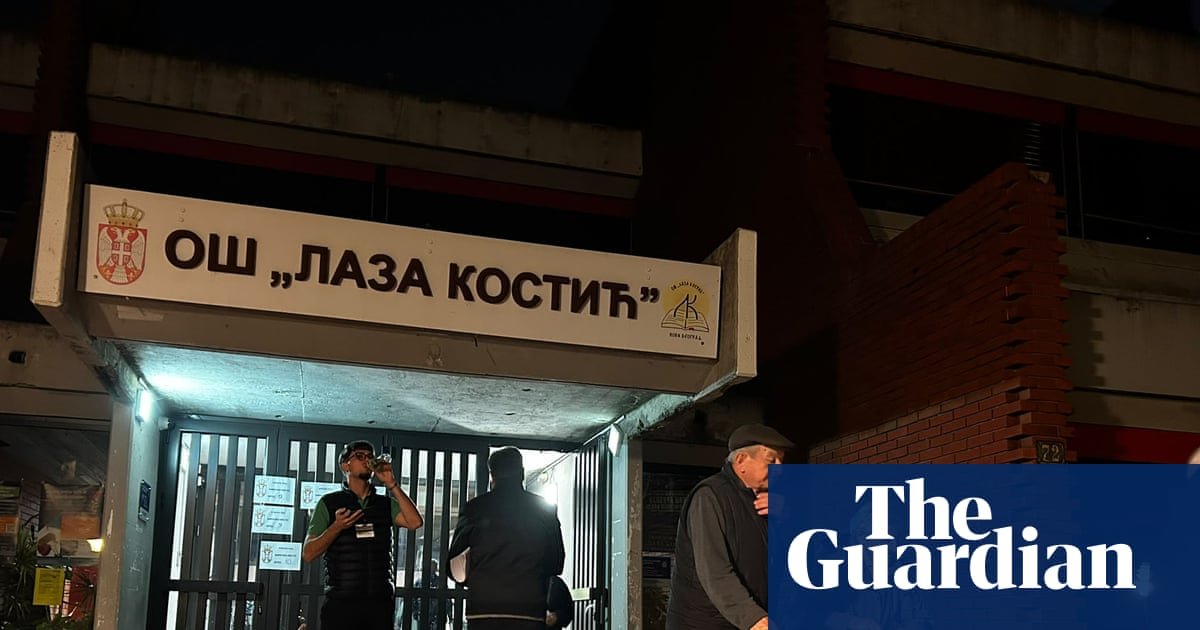
Belgrade – Serbia has entered a new political era following a historic electoral defeat of long-standing authoritarian president Aleksandar Vučić, driven by a grassroots opposition movement spearheaded by students. The outcome has ignited widespread optimism regarding a potential reset in Belgrade’s relations with the European Union and other international partners. As of Monday morning, with 96.9% of polling stations processed, the Student List commands 52.6% of the vote, significantly outpacing Vučić’s bloc which holds 39.22%. According to the latest projection by CeSID, the student-led coalition is projected to secure 140 seats in the new parliament, comfortably surpassing the 126 votes required for a majority. In contrast, Vučić’s bloc is expected to obtain 103 seats. No other political party managed to cross the 3% threshold necessary for representation, leaving national minority parties to claim the remaining seven seats in the legislature.
The seismic shift in Serbian politics has drawn immediate emotional responses from regional leaders. Hungary’s Prime Minister Péter Magyar, who assumed power earlier this year after ousting Viktor Orbán, expressed strong solidarity with the Serbian protesters. Magyar posted multiple times overnight, drawing parallels between the Hungarian and Serbian victories, noting that he was not alone in feeling nostalgic upon seeing images from Serbia. His commentary underscores the interconnected nature of democratic movements across Central Europe.
International observers are scheduled to present their preliminary report on the election later today in the early afternoon, which will likely provide further validation of the results. Meanwhile, Jakub Krupa, covering the developments for Europe Live, noted that additional reactions to the vote are expected throughout the day. The focus now shifts to how the new government will navigate its first legislative session and initiate diplomatic outreach to Brussels.
In parallel developments across the continent, Bulgaria is preparing for the second round of its presidential election this Sunday, following a first round marked by a record-low turnout of just 22%. Analysts are closely monitoring whether voter apathy will persist or if mobilization efforts will boost participation in the decisive runoff. Elsewhere, France and Italy continue to grapple with domestic unrest stemming from a rocky weekend of protests. French Prime Minister Sébastien Lecornu is set to meet with student unions in the afternoon for what analysts describe as pivotal talks regarding the future trajectory of the demonstrations.
On the defense front, ministers from five nations—France, Germany, Italy, Poland, and the UK—are convening in Paris to discuss strategic cooperation concerning Ukraine. This meeting highlights ongoing efforts to maintain unified support for Kyiv amidst evolving security challenges. Additionally, Slovakia’s Foreign Minister Juraj Blanár is currently in Moscow engaging in energy talks with Russian officials, signaling continued diplomatic engagement despite broader geopolitical tensions. These concurrent events underscore the complex and multifaceted nature of European politics in late October 2026, where domestic democratic shifts intersect with international security and economic negotiations. This report was produced in the Europe Brief News newsroom.