Serbian President Aleksandar Vucic Concedes Defeat After Record Student-Led Election Turnout
Serbia’s long-standing leader Aleksandar Vucic has formally conceded defeat in the country’s fiercely contested parliamentary election, marking the end of his twelve-year tenure. The admission came on Sunday after preliminary data indicated that a student-backed protest movement had secured a significant victory. Speaking to supporters at the Serbian Progressive Party headquarters in Belgrade, Vucic stated, “Based on a stratified sample, it is clear that we lost these elections.” His concession follows a voting day characterized by unprecedented public engagement and widespread participation across the nation.
The election was triggered by two years of sustained student-led demonstrations that began after a concrete canopy collapsed at the Novi Sad railway station in November 2024, killing sixteen people. The tragedy sparked outrage over alleged corruption and poor construction standards, evolving into a broad anti-government campaign. In response to mounting pressure, Vucic resigned the presidency last month to call for snap elections, attempting to retain power through his rightwing Serbian Progressive Party, known as SNS. However, the student movement transformed its grassroots energy into political action, presenting a slate of 250 candidates for the 250-seat parliament. These candidates ranged from academics and athletes to farmers, campaigning on platforms focused on economic reconstruction and democratic restoration.
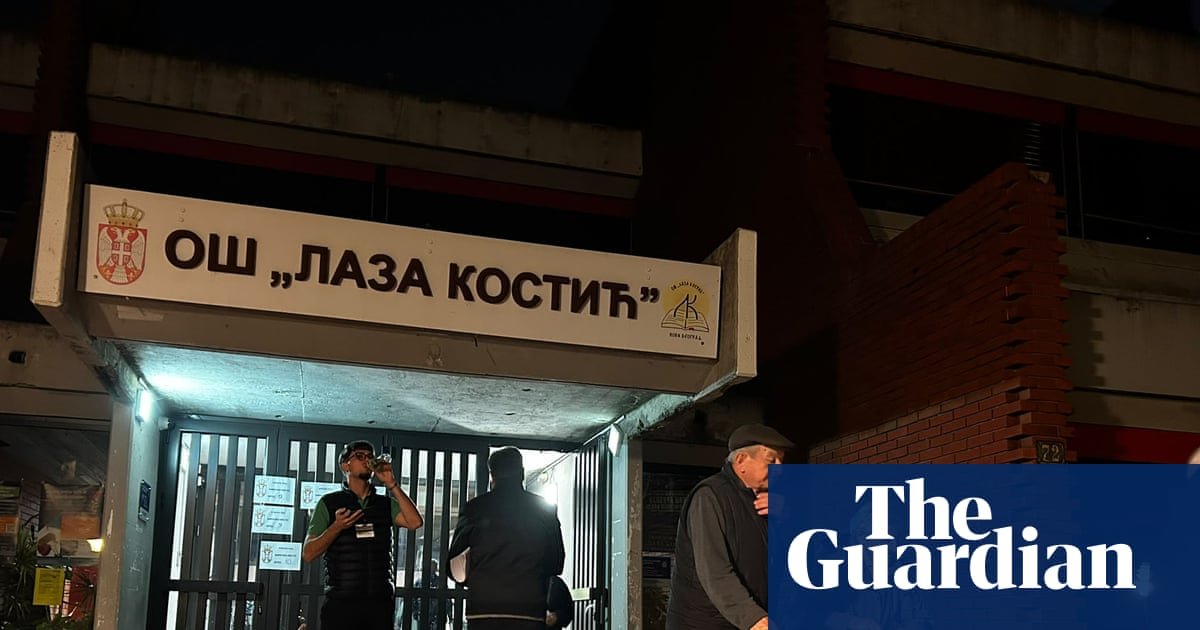
Voter turnout reached historic levels, with CeSID and Ipsos reporting a participation rate of 67.6% by 7pm local time. This figure represents the highest engagement since the breakup of Yugoslavia in 1992. Long queues extended outside polling stations nationwide, with some voters waiting up to two hours to cast their ballots. Earlier speculation about the outcome intensified after an estimated 150,000 people attended the students’ final pre-election rally in Belgrade. Opinion polls prior to the vote showed high uncertainty, reflecting the unusual challenge posed to Vucic’s firm grip on power since his party took office fourteen years ago.
The campaign featured intense rivalry between the established ruling party and the new student coalition. Vucic sought to undermine the opposition by accusing them of being proxies for foreign powers, a charge dismissed by the protesters. He also campaigned on promises to increase pensions and public sector salaries, positioning himself as a diplomat capable of balancing Serbia’s relationships with Western nations, Russia, and China. In contrast, the students staged rallies in rural areas traditionally considered Vucic strongholds and engaged in door-to-door outreach. Their central slogan, “Serbia or Mafia?”, emphasized their stance against the political establishment.
Dejan Bodiroga, a candidate on the students’ list and president of EuroLeague Basketball, told reporters in Belgrade that the vote represented a choice between freedom and control. “Today, above all, Serbia is fighting for freedom and for the return of a country that has been hijacked,” Bodiroga said. “Serbia is voting today to decide which direction it will take – towards the future or the past.”
Election monitors raised concerns regarding the integrity of the process. Independent groups reported incidents of ballot photography, potential vote-buying, and carousel voting. Raša Nedeljkov of the monitoring group CRTA noted that irregularities continued to be recorded, alongside increasing violent incidents outside polling stations. International and local observers had previously expressed worry about detentions and cyber-attacks targeting activists during the campaign period.
This report was produced in the Europe Brief News newsroom.