
Israel Imposes West Bank Lockdown, Hebron Siege Ahead of Election
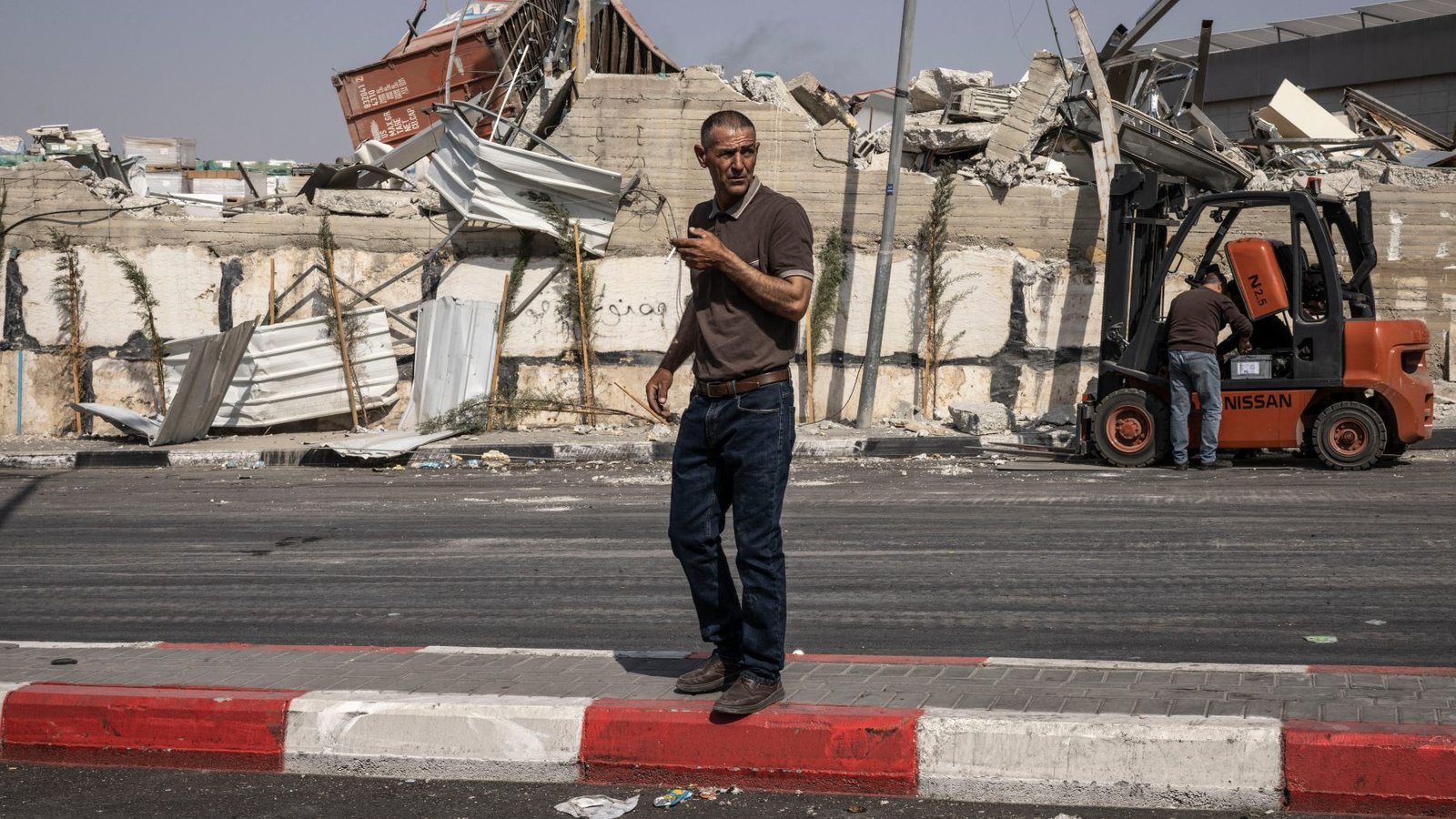
All land crossings in the occupied West Bank will be closed to Palestinians on Tuesday during Israel’s general election, an Israeli military spokesperson confirmed in a post on X on Saturday. The announcement included a ban on Palestinian workers entering any Israeli settlements within the territory between Sunday and Tuesday, effectively cutting off a primary income source for thousands of residents. According to Haaretz, the military has imposed similar movement restrictions during previous electoral cycles, barring entry on election day and the subsequent day. This directive follows an order by Prime Minister Benjamin Netanyahu on Friday for the army to prepare for a comprehensive lockdown of the West Bank after Palestinian gunmen killed two soldiers at a checkpoint near Hebron. Netanyahu further commanded a siege on Hebron, the largest city in the occupied territory with approximately 250,000 inhabitants, describing the measure as collective punishment for the incident. "We will act to destroy this place," the premier stated regarding the neighborhood from which the attackers allegedly originated, adding that the army would evacuate residents. Since Friday, hundreds of Palestinians have been expelled from their homes in Hebron, prompting Mayor Yousef Jaabari to describe the city as a "disaster zone" to Middle East Eye.
The labor restrictions exacerbate an already severe economic crisis. Before the Hamas-led attacks on October 7, 2023, nearly 200,000 Palestinians from the West Bank worked in Israel and its settlements, according to the International Labour Organisation. Today, that figure has dropped to 44,000. Meanwhile, Haaretz reported on Sunday that Netanyahu’s Likud party is developing an alternative technological solution to monitor voters, bypassing a Supreme Court ban on using a database of one million potential supporters. In past elections, Likud used special applications at polling stations to track turnout and target low-voting areas with campaign messages. Sources in opposition parties warned that without explicit instructions from the Central Elections Committee prohibiting such data collection, the right-wing party could circumvent court rulings. An elections committee spokesperson told Haaretz that clear signs prohibiting voter information collection will be displayed at every polling station.
On the international front, top Israeli economists issued a stark warning against Netanyahu’s suggestion that cryptocurrency might help evade international sanctions. Speaking to Ynet, these experts described the proposal as leading toward "immense and irreversible damage," comparing the strategy to methods used by criminal organizations. They argued that such measures would trigger high unemployment, paralyze the banking system, cause a foreign labor exodus, and collapse healthcare services, drastically lowering the standard of living similar to outcomes in South Africa, Russia, and Iran. The Israeli Central Bank rejected the feasibility of crypto coins bypassing sanctions, yet Netanyahu maintained his stance on Channel 14 News. Additionally, reports from independent journalist Daniel Amram detailed a violent attack on three Druze citizens in a Tel Aviv nightclub on Thursday evening. Jewish men reportedly assaulted the group for speaking Arabic, resulting in stab wounds for one victim. Residents of Isfiya condemned the incident, while Yair Golan of The Democrats visited the hospital, asserting that Druze and Arabs are integral to Israeli society.
This report was produced in the Europe Brief News newsroom.