Niger Military Government Appoints New Armed Forces Chief After Failed Mutiny Reshuffles Top Command
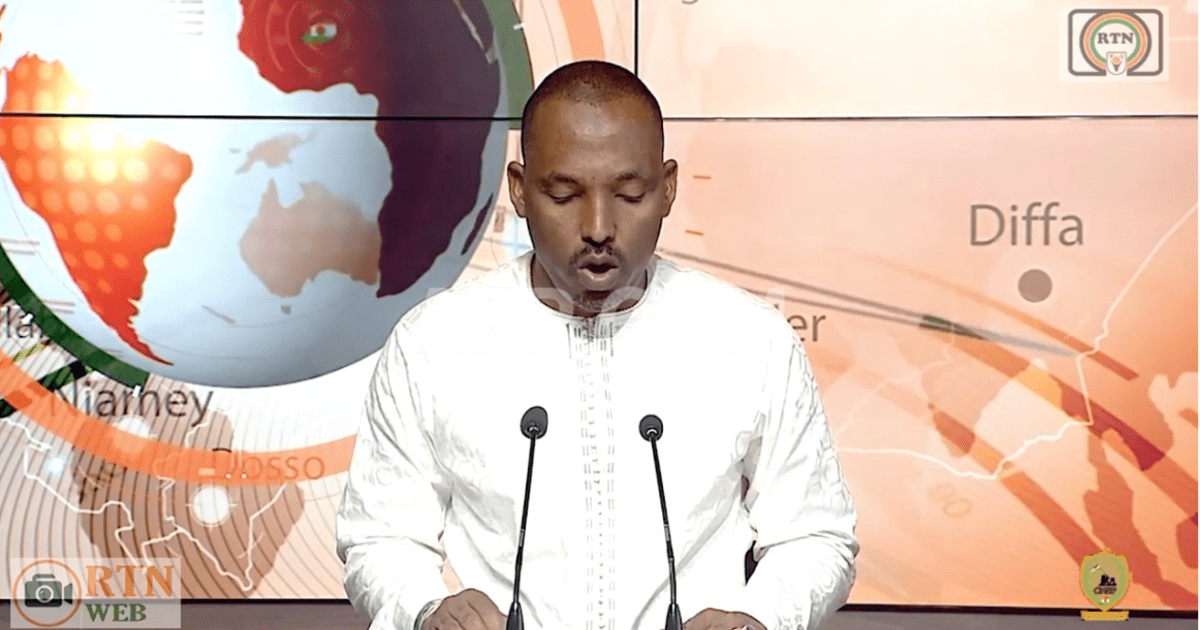
Niger’s military government has appointed a new chief of the armed forces, marking a significant reshuffle of its top military command in the wake of a failed mutiny that occurred late last month. The appointment was formalized through an official decree read on state television on Friday, which confirmed that General Mamane Sani Kiaou would assume the role of head of the armed forces. He replaces General Moussa Salaou Barmou, who is being removed from his position. No specific reason was provided by the authorities for Barmou’s dismissal.
General Abdourahmane Abou Zataka has been promoted to succeed Kiaou as the army’s chief of staff, according to the same decree. Additionally, regional broadcaster RFI reported that General Ismael K Sidi Omar has been named the new second-in-command of the general staff. Prior to this promotion, Sidi Omar commanded Base 101, the airport base located at the center of the mutiny. Reports indicate that he remained loyal to General Abdourahamane Tchiani throughout the crisis, a stance that likely influenced his selection for the new role.
Both General Barmou and General Kiaou had held senior posts since a coup in July 2023 brought a group of army officers to power. This group was led by General Abdourahamane Tchiani. The recent changes come shortly after a mutiny tested the grip of the military rulers on power. The event highlighted internal tensions within the junta, leading to these high-level personnel adjustments aimed at consolidating control and ensuring loyalty among the upper echelons of the military hierarchy.
The timing of the reshuffle is particularly notable given the proximity to the failed mutiny. The incident served as a stark reminder of the fragility of the current regime’s hold on the country. By replacing key figures and promoting those who demonstrated allegiance during the crisis, the government appears to be taking steps to prevent further instability. The appointment of General Sidi Omar, who stayed with Tchiani during the unrest, signals a clear preference for commanders who have proven their commitment to the ruling faction.
This development follows a period of heightened tension between Niger and France. Earlier reports indicated that the Niger military accused France of orchestrating the failed coup, an allegation that France denied. While these diplomatic disputes continue to cast a shadow over the region, the internal restructuring of the military command remains the immediate focus for the junta. The changes are expected to solidify the chain of command and reinforce the authority of General Tchiani and his allies within the armed forces.
The decree announcing these appointments underscores the ongoing efforts by the military government to maintain stability and unity within its ranks. As Niger navigates the aftermath of the mutiny, these leadership changes are seen as crucial measures to address any potential dissent and ensure the continued operation of the state under military rule. The international community watches closely as these developments unfold, aware of the broader implications for regional security and political dynamics in West Africa.
This report was produced in the Europe Brief News newsroom.