
Dozens Sue GLP-1 Makers Over Vision Loss Claims
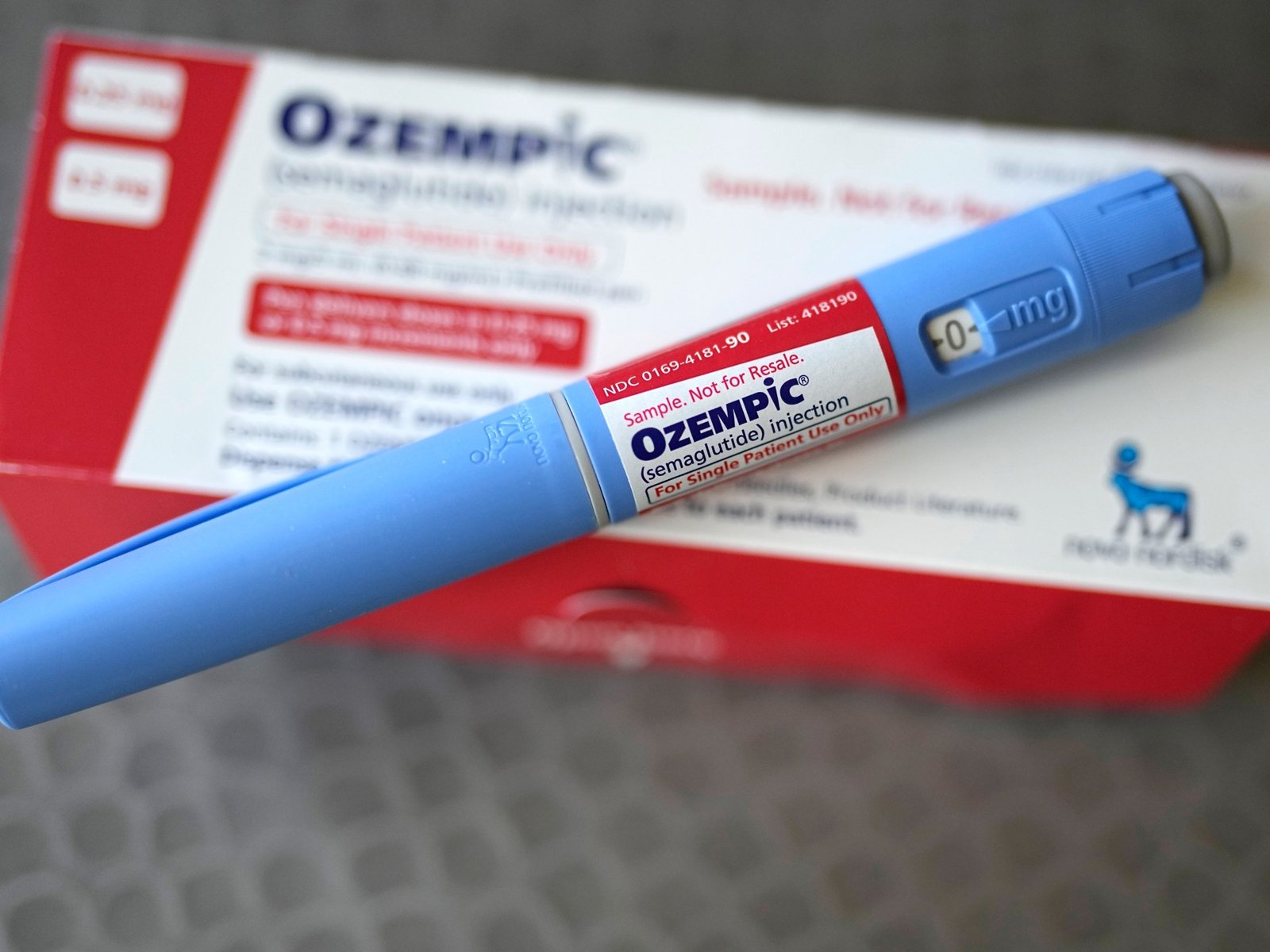
Dozens of individuals have initiated legal proceedings in the United States against pharmaceutical manufacturers of glucagon-like peptide-1 (GLP-1) medications, alleging that these popular weight-loss treatments caused a rare ocular disorder capable of inducing permanent blindness. The litigation targets major producers of widely prescribed drugs such as Ozempic and Mounjaro, presenting a formidable obstacle to an emerging sector that industry analysts had projected would generate approximately $100 billion in annual revenue over the next decade. This financial expectation was predicated on the widespread adoption of these therapies by millions of Americans and their perceived efficacy in addressing the nation’s obesity epidemic.
The legal complaints assert that the medications trigger nonarteritic anterior ischemic optic neuropathy, commonly referred to as NAION. According to the allegations detailed in the filings, this specific eye condition obstructs adequate blood flow to the optic nerve, resulting in severe damage that can lead to irreversible vision loss. The cases highlight a significant potential liability for the industry, which had been expanding rapidly amidst growing public demand for effective metabolic interventions.
In response to the mounting legal pressure, Novo Nordisk, the pharmaceutical giant responsible for producing Wegovy and Ozempic, issued a firm denial regarding the validity of the claims. A company spokesperson stated, according to reports from The Wall Street Journal, that the lawsuits lacked merit and emphasized that the organization was vigorously contesting them. Eli Lilly, the manufacturer behind Zepbound, adopted a more cautious approach. While the company did not provide direct commentary on the ongoing litigation, it confirmed that it was actively reviewing data concerning potential health risks associated with its products.
The human impact of these alleged side effects is illustrated by specific accounts included in the legal documents. One lawsuit, filed by a woman in Pennsylvania and described to The Washington Post, details a harrowing experience where the patient reported her vision deteriorated to resemble looking through a "fishbowl" after taking medication for her diabetes. Two weeks following this onset of symptoms, she received a diagnosis of NAION. Such personal narratives underscore the severity of the conditions alleged by plaintiffs and add emotional weight to the scientific debates surrounding drug safety.
Scientific inquiry into the relationship between GLP-1 agonists and ocular health has been ongoing for several years. However, research findings to date have remained mixed, failing to establish a definitive causal link that would satisfy all medical or legal standards. Despite the inconclusive nature of some studies, the volume of lawsuits suggests a growing concern among patients and legal representatives regarding the long-term safety profiles of these blockbuster drugs. The outcome of these cases could significantly influence regulatory oversight, prescribing practices, and the future trajectory of the weight-loss pharmaceutical market in the United States.
This report was produced in the Europe Brief News newsroom.