Iran, US Hold UN Talks as Tehran Hardens Strait of Hormuz Terms
Iranian Foreign Minister Abbas Araghchi held direct talks with United States special envoy Steve Witkoff on Tuesday in New York City during the sidelines of the United Nations General Assembly. The meeting marked the first public engagement between the two nations in months, focusing primarily on negotiating terms to end their ongoing conflict. According to reports, the discussions centered on the conditions required by the Islamic Republic to stabilize the region and address the tensions surrounding the Strait of Hormuz.
The diplomatic encounter was facilitated significantly by Qatar, which took the lead among Gulf states in arranging the contact between Witkoff and Araghchi. A Gulf official confirmed to Middle East Eye that Doha played a pivotal role in bridging the gap between Washington and Tehran. This development follows days of intense pressure from Gulf countries for the United States and Iran to engage in dialogue at the UN. Both Qatar and the United Arab Emirates had publicly called for de-escalation and direct engagement with the Islamic Republic over the weekend, signaling a regional shift toward diplomatic resolution rather than military confrontation.
Beyond the bilateral meeting, multiple Gulf officials indicated that their governments were actively attempting to organize a "bump-in" session between US President Donald Trump and Iranian President Masoud Pezeshkian. However, the logistics for such a high-level encounter proved complicated, preventing an immediate face-to-face summit between the two leaders despite the mutual interest in reducing hostilities. The complexity of scheduling such a meeting highlights the intricate diplomatic maneuvering required to manage relations between the two adversarial powers.
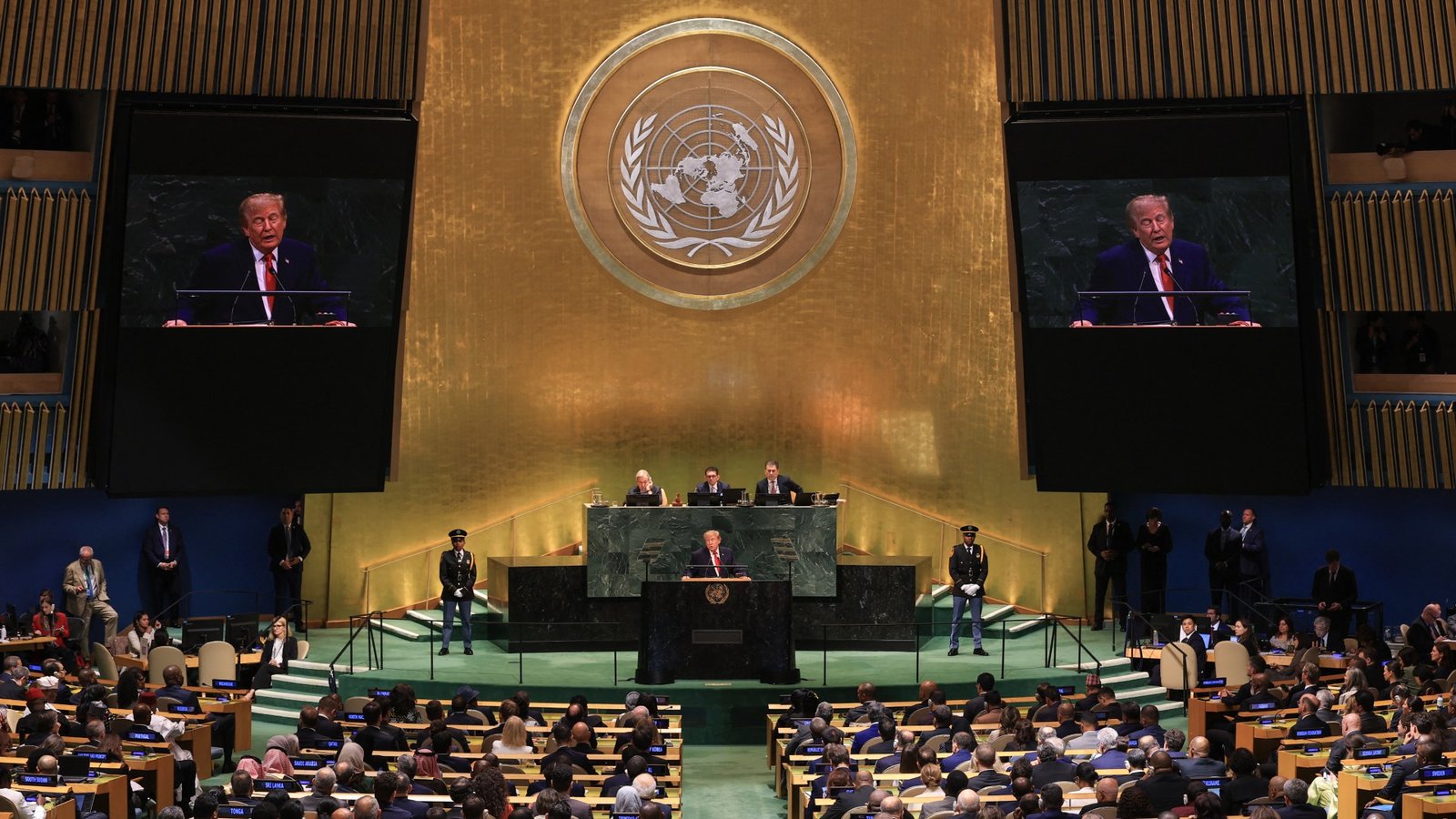
Despite the constructive nature of the talks between Araghchi and Witkoff, the political rhetoric from the White House remained starkly contrasting. On Tuesday, President Trump stated that Iranian and US mediators had held "very good" talks, acknowledging the progress made in the negotiations. However, in his address to the General Assembly later that day, Trump simultaneously threatened to "annihilate" Iran, creating a disjointed message that underscored the volatile nature of the current geopolitical landscape. This dual approach of engaging in backchannel diplomacy while maintaining aggressive public threats has characterized much of the recent interaction between the two nations.
The hardening of Iran's terms regarding the reopening of the Strait of Hormuz adds another layer of complexity to the negotiations. The strategic waterway is critical for global energy supplies, and any disruption or threat thereof has significant economic implications worldwide. As the US and Iran navigate these talks, the international community, particularly Gulf states, remains closely watchful, hoping that the diplomatic efforts will translate into tangible de-escalation and long-term stability in the region. The outcome of these discussions will likely influence not only US-Iran relations but also the broader security architecture of the Middle East.
This report was produced in the Europe Brief News newsroom.