
PIK Report Warns Seven Planetary Boundaries Breached
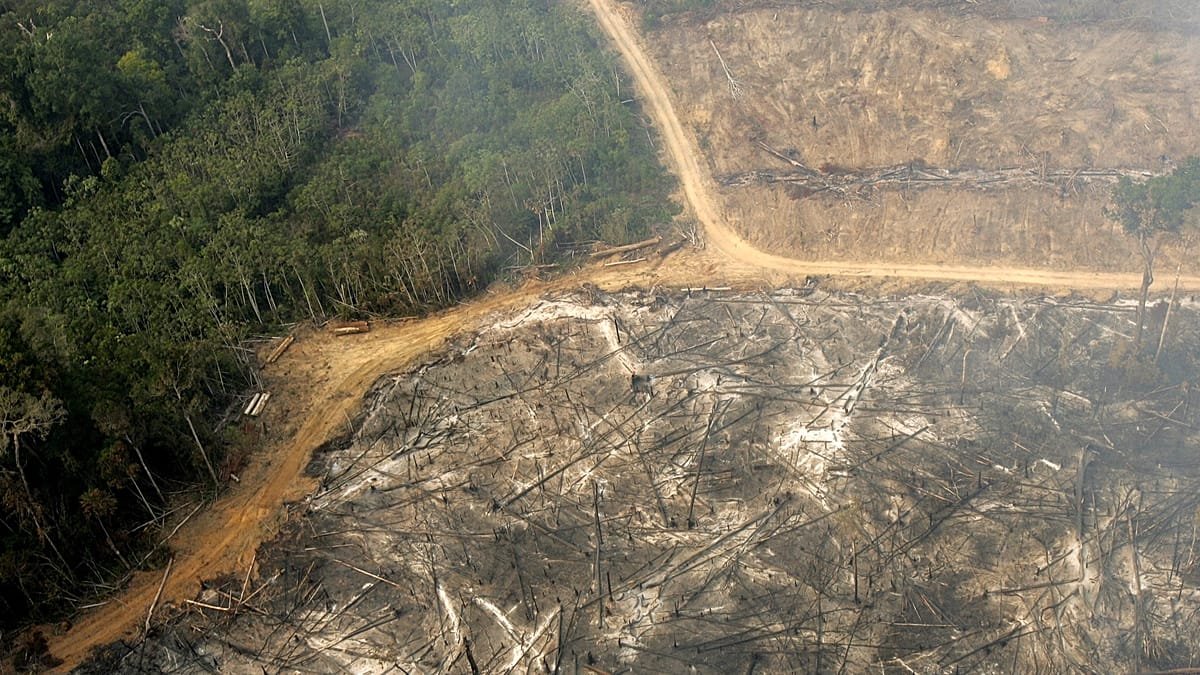
The latest Planetary Health Check, produced by the Potsdam Institute for Climate Impact Research (PIK), warns that seven of Earth’s critical life support systems are experiencing record-breaking transgressions. Authored by more than 60 scientists, the report highlights that pressure is mounting across these boundaries, which continue to worsen despite previous breaches. The findings come after a year defined by record ocean heat, floods, wildfires, and extreme temperatures in 2026. According to the institute, all seven breached Planetary Boundaries are now at their highest recorded levels of transgression, yet the authors maintain that humanity possesses the knowledge, capacity, and solutions to change course.
Boris Sakschewski, a PIK scientist and lead author of the report, stated that the diagnosis is unambiguous. He explained that pressure is rising across every Planetary Boundary already outside the safe operating space. This trend means that the risk of large-scale, persistent, and potentially irreversible change is increasing while the margin for error in tackling these problems is shrinking. Launched in 2023, Planetary Boundaries Science aims to address critical gaps in understanding Earth’s life support systems. It defines nine boundaries that must remain within safe limits to keep humanity safe and the natural world resilient. Scientists have monitored these boundaries for decades to track the planet’s condition.
The seven transgressed boundaries include climate change, change in biosphere integrity, land system change, freshwater change, modification of biogeochemical flows, introduction of novel entities such as microplastics, and ocean acidification. Ocean acidification was breached last year after scientists found that the pH of the ocean’s surface has dropped by around 0.1 units, representing a 30 to 40 percent spike in acidity since the start of the industrial era. Currently, the only Planetary Boundaries not breached by humans are stratospheric ozone depletion and atmospheric aerosol loading, which have shown signs of improvement over the last decade. However, scientists warn that global progress may mask unsafe aerosol levels persisting in some regions.
The report identifies natural carbon sinks, such as oceans, forests, and peatlands, as essential to achieving net zero. Vegetation and soils absorb a substantial share of human-caused carbon dioxide emissions, but repeated extreme weather events, made more likely by climate change, are degrading these systems. In some regions, ecosystems have turned from carbon sinks to carbon sources, producing more CO2 than they absorb. Sakschewski warned that the planet risks losing its buffering capacity against increasing pressures, arguing that we may be overestimating the resilience of land carbon sinks.
Johan Rockström, PIK Director and co-author of the report, emphasized that there is no luxury of time but that solutions exist. He stated that accelerating action to return to the safe operating space across all Planetary Boundaries is essential to protect lives and livelihoods and to deliver on the promise of shared future prosperity. Additionally, landmark research from The Earthshot Prize and the University of Exeter recently revealed 51 solutions that can trigger rapid and transformative change to repair the planet over the next five years. Five priority clusters were identified: cutting fossil fuel reliance, reducing solid fuels for cooking, ocean conservation, and clamping down on deforestation. Professor Tim Lenton of the University of Exeter noted that reversing damage requires unlocking positive tipping points where progress builds on itself and recovery becomes self-propelling.
This report was produced in the Europe Brief News newsroom.