France Sees Widespread Unrest as Police Clash with Protesters and Over 1,200 Arrested
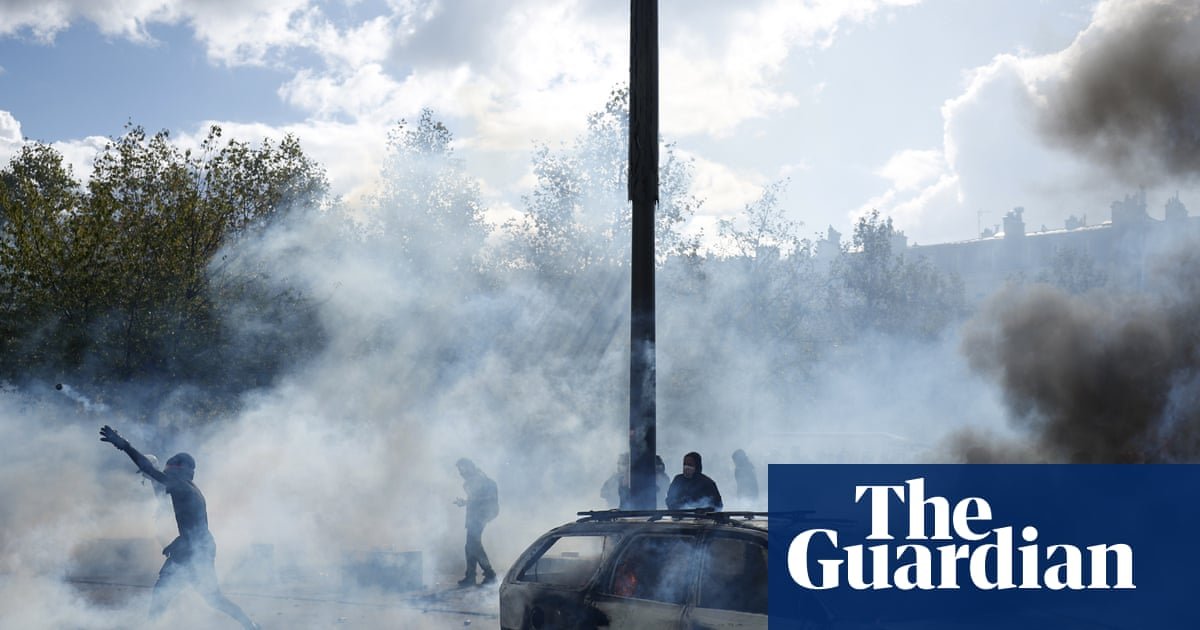
More than 1,200 people were arrested in France on Saturday following demonstrations that began in support of high school students but quickly escalated into violent confrontations with law enforcement. According to the interior ministry, the unrest resulted in significant property damage, including the burning of public buildings and the looting of shops, while also injuring numerous police officers. Prime Minister Sébastien Lecornu confirmed late on Saturday that 1,200 individuals had been detained and that 150 police officers had been hurt during the clashes. Interior Minister Laurent Nuñez stated that the official demonstration had been hijacked by casseurs, describing them as opportunistic delinquents who seized the chance to pillage and loot. He added that the government would deal firmly with those responsible, though he clarified that there were no plans to declare a state of emergency.
In Limoges, the regional prefect Maurice Barate reported to AFP news agency that the town hall was largely lost to fire set by masked protesters. The roof collapsed onto lower floors, and two-thirds of the exterior disappeared, causing what Barate called a catastrophe for heritage given the building’s 143-year history. In Marseille, protesters stormed the town hall, ramming the door with security barriers before briefly entering the municipal building to spray-paint an anarchy symbol on a wall. Police subsequently removed the intruders. Meanwhile, in central Paris around Place de la République, a peaceful march turned violent as black-clad rioters threw fireworks and paving stones at police. Officers responded with teargas as demonstrators attacked a bank, looted a sports shop, and set wheelie bins on fire. One demonstrator shouted, "We’re taking the Bastille!" while others used glass bottles from recycling bins as missiles. A lorry was set ablaze, with flames spreading to a nearby building along Boulevard Magenta, where dozens of shops were broken into and looted.
The mobilization followed social media calls to revive the gilets jaunes movement, which emerged in 2018 against social injustice. The protests originated last month in poor northern suburbs of Paris, where anger over teacher absences and shabby facilities morphed into a nationwide movement against inequality and weak public spending. Labor unions like the CGT backed the protests, calling for higher wages, pensions, and protection of public services. While the interior ministry reported 550,000 participants in official marches, the CGT claimed 800,000 took part. About 45% of French people are worried about the rising cost of living and inflation, according to an October survey.
Political leaders reacted sharply to the events. Far-left leader Jean-Luc Mélenchon supported student protesters but urged demonstrators to avoid looting. Far-right candidate Marine Le Pen condemned the rioters and accused Mélenchon’s party of legitimizing violence. President Emmanuel Macron appealed for calm, emphasizing that the constitutional right to protest comes with respect for people and property. He denounced as unacceptable the presence of individuals solely intent on causing damage. Mayor Emmanuel Gregoire described whole streets in Paris as devastated, while a 19-year-old protester named Lola cited harsh living costs and attacks on pupils as reasons for joining the demonstration.
This report was produced in the Europe Brief News newsroom.