EU's Kallas Urges Free Passage Through Strait of Hormuz
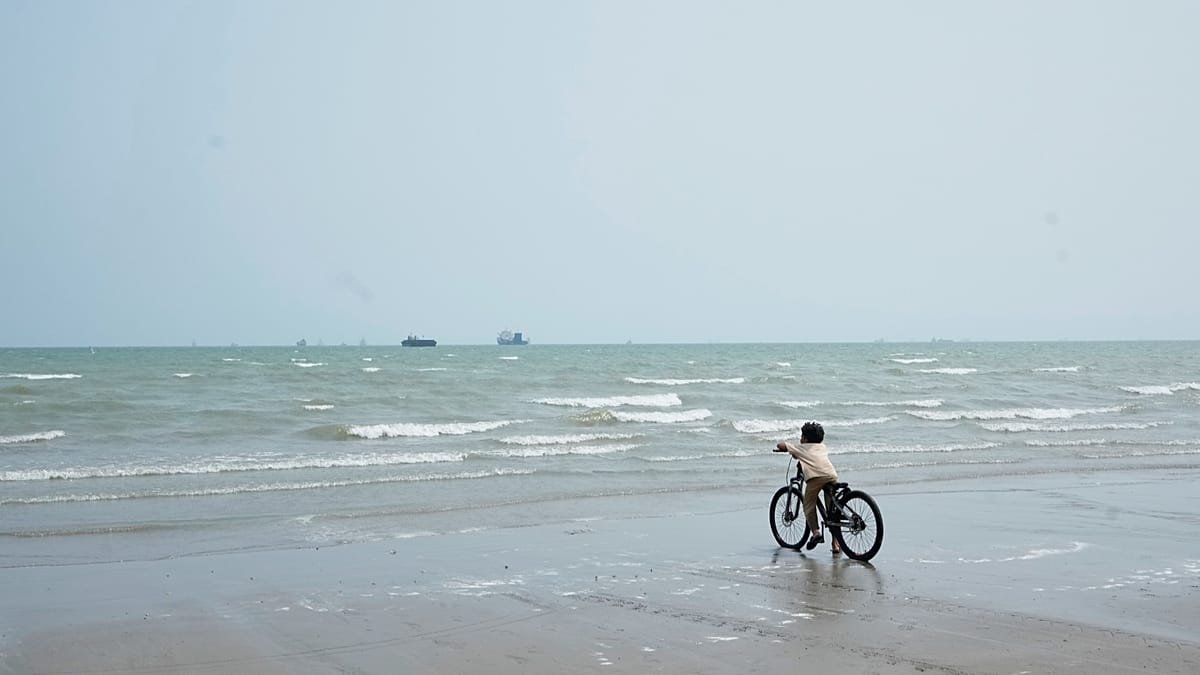
The European Union’s top diplomat, Kaja Kallas, has engaged directly with Iranian Foreign Minister Abbas Araghchi on the sidelines of the United Nations General Assembly in New York, focusing on diplomatic pathways to resolve the ongoing conflict between the United States and Iran. According to reports from the EU delegation, the discussions centered on fully reopening the Strait of Hormuz and establishing clear protocols for maritime passage once hostilities cease. Kallas emphasized that ships should not be required to pay tolls or fees to transit the strategic waterway, noting that no such charges existed prior to the outbreak of war. She stated that navigation must remain "free and unimpeded" in both the Strait of Hormuz and the Bab al-Mandab Strait at the southern end of the Red Sea.
During their meeting, Kallas also raised serious concerns regarding human rights violations within Iran, specifically pointing to a sharp increase in executions and death sentences. The EU foreign policy chief pressed her Iranian counterpart on these issues as part of a broader week of engagements where the bloc is advocating for strict adherence to the UN Charter and freedom of navigation. This diplomatic push coincides with indirect talks between US and Iranian negotiators. American envoys Steve Witkoff and Jared Kushner participated in these discussions alongside Araghchi, who led the Iranian delegation. Witkoff announced that the sides had "successfully completed a round of discussions," with another session expected soon.
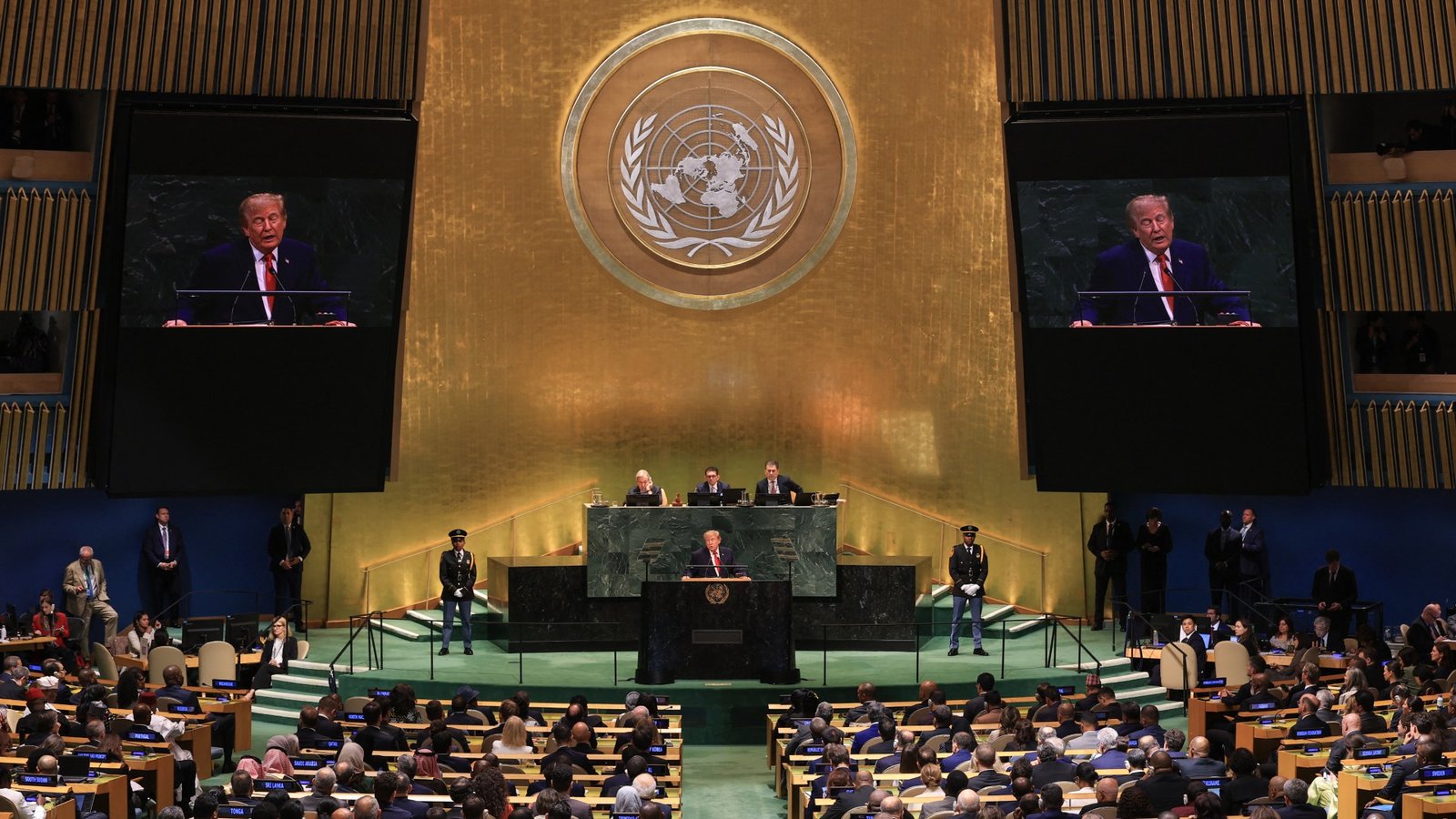
Despite these diplomatic efforts, significant obstacles remain. In his address to the General Assembly, US President Donald Trump indicated he faced a "big decision" regarding whether to strike a deal with Tehran, though the gap between the two nations remains wide. Complicating matters further, Iran's parliament has approved rules imposing fines on ships crossing the strait without authorization, a move that directly contradicts Kallas’s call for toll-free passage. Additionally, Iranian-backed Houthi forces have intensified attacks on Saudi Arabia, opening a second front in the war that began in February.
In a separate engagement, Araghchi met with Dutch Foreign Minister Tom de Bruijn, according to statements released via Telegram. During this meeting, Araghchi strongly criticized what he described as the "double standards of European countries." He accused European nations of remaining silent or appeasing regarding "aggressive actions and crimes" committed by the US and Israel against Iran. Araghchi argued that European states cannot claim to uphold the rule of law and human rights while being indifferent to or supporting military aggression by Washington and Jerusalem. De Bruijn responded by emphasizing the importance of diplomacy and outlining the Netherlands’ perspectives on regional developments.
The European External Action Service stated that Kallas arrived in New York with a unified message: international law and the UN Charter must be upheld, sovereignty and territorial integrity respected, and violations of international law must not go unpunished. Throughout the week, Kallas joined European Council President António Costa and Commission President Ursula von der Leyen for various high-level meetings, including trilateral talks with the African Union and the UN, as well as events on global food security and maritime safety. These engagements occur under the General Assembly theme "Restoring trust, managing transformation: a United Nations that delivers for all," with nearly 130 heads of state and government scheduled to speak until September 28.
This report was produced in the Europe Brief News newsroom.