
Ethics Committee Approves Controversial Hepatitis B Trial Withholding Vaccines in Guinea-Bissau
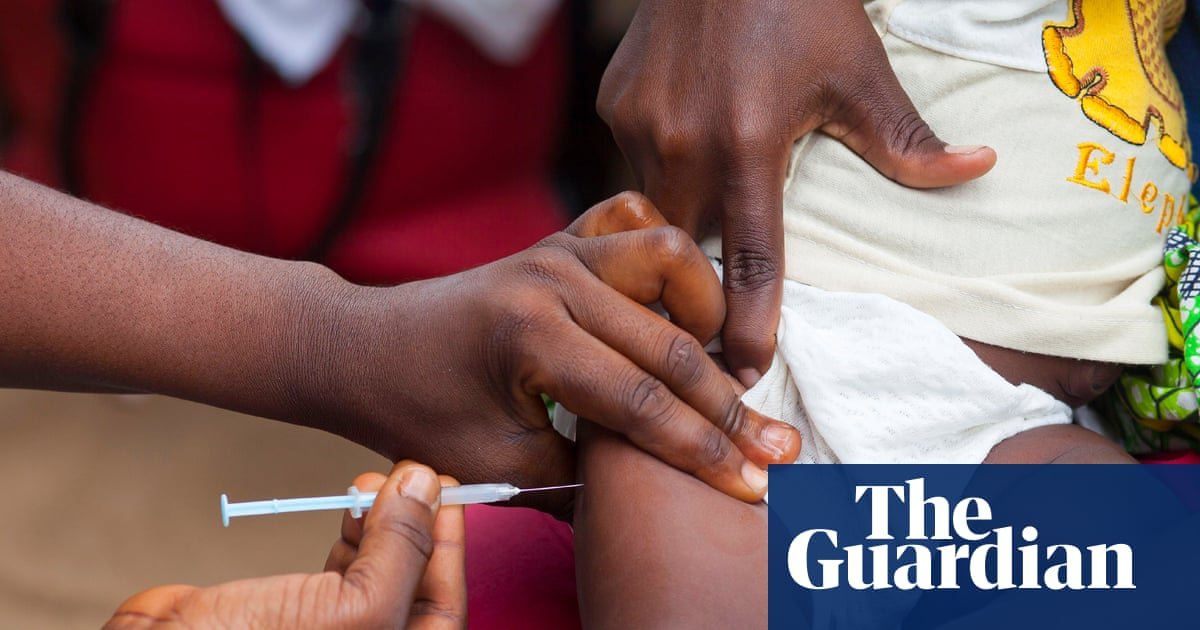
An ethics committee at the University of Southern Denmark has voted to proceed with a controversial clinical trial in Guinea-Bissau that will withhold the recommended birth dose of the hepatitis B vaccine from thousands of newborns. The project, which received final approval this week after initial suspension amid international outcry, involves enrolling 14,000 infants in the West African nation. Under the revised protocol, researchers will test mothers for the virus before delivery; babies born to positive mothers will receive the vaccine and be excluded from the study, while those born to negative mothers may be enrolled. Participants will be randomly assigned, meaning half will receive the vaccine at birth and the other half will have it delayed for six weeks.
The trial is closely associated with Robert F Kennedy Jr, the US Secretary of Health and Human Services, who has long opposed mandatory vaccinations. At a recent anti-vaccine conference, Kennedy praised the Danish researchers and cited the project as evidence of the Trump administration’s agenda to reduce vaccine recommendations and question shot safety. Paul Offit, an infectious disease physician at Children’s Hospital of Philadelphia, stated that Kennedy aims to eliminate the birth dose policy in the United States. Offit argued that the trial exploits developing nations because significant ethical concerns would prevent such a study from being conducted in the US, asking whether children in Africa are considered more expendable than those in America.
Internal dissent emerged within the approving body when Stig Børsen Hansen, a founding member and reviewer, resigned on Friday. Hansen criticized the methodology as a lottery where children who do not receive the immediate protection face the risk of contracting hepatitis B, a virus capable of causing irreversible lifelong damage. He described the infection of unvaccinated participants as happening by design. Three other committee members also resigned in protest. Henrik Støvring, a professor of statistics at Aarhus University, noted that decades of research confirm the vaccine's benefits, making it unfair to place some children in an unvaccinated group. He highlighted that the virus can survive on surfaces for up to seven days and transmit through casual contact, noting a five percent false-negative rate in testing could leave infants vulnerable.
Funding for the initiative includes $1.6 million set aside by the US Centers for Disease Control and Prevention in its current budget, matched by private contributions from the Pershing Square Foundation, co-founded by Bill Ackman, and the Bluebell Foundation. The Bandim Health Project, run by Danish researchers Peter Aaby and Christine Stabell Benn, has operated in Guinea-Bissau for decades and remains deeply integrated into the local health system. Guinea-Bissau reports one of the highest hepatitis B prevalence rates globally, with approximately 18 percent of adults carrying the virus. While the national ethics committee in Denmark oversees medical research, this study fell outside its purview because it does not take place in Denmark, leading the University of Southern Denmark to alter its rules to consider the proposal despite opposition from expert members.
This report was produced in the Europe Brief News newsroom.