Trump Halts Iran Strikes Before Midterms as Oil Prices Surge
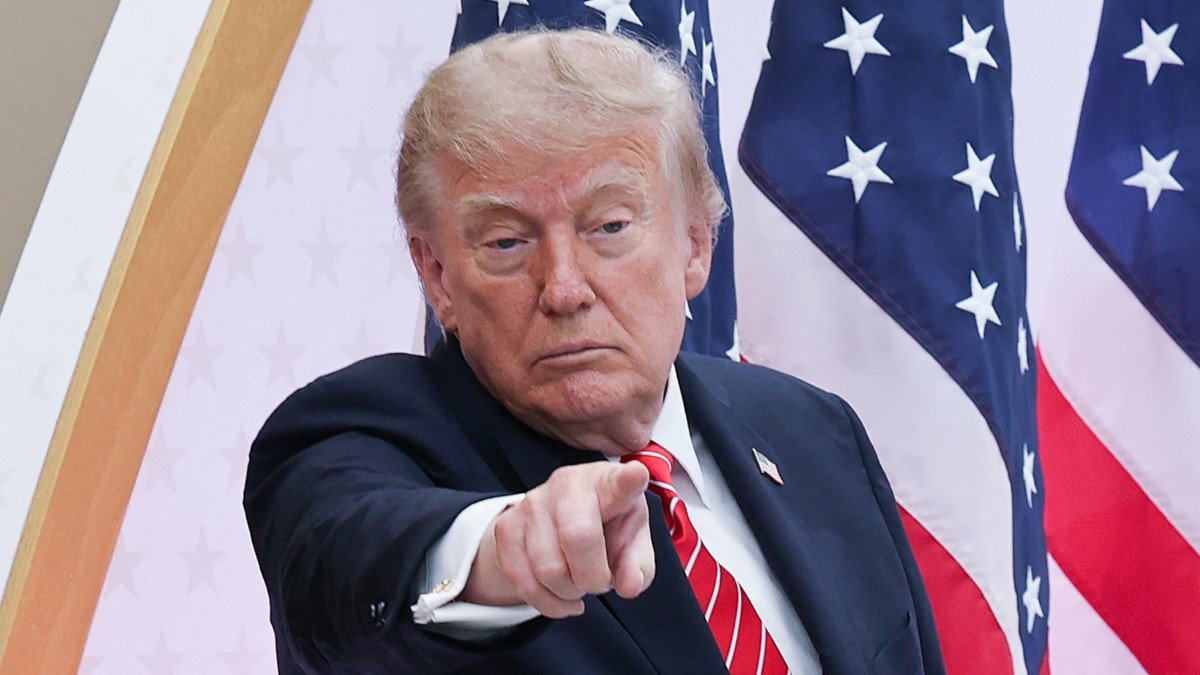
Washington – US President Donald Trump announced on Thursday that he would not authorize new military strikes against Iran before the upcoming mid-term elections in November. The declaration came via a post on Truth Social, where Trump stated that Washington is engaged in "productive discussions" with the Islamic Republic of Iran. He explicitly confirmed that no attacks would occur prior to the vote scheduled for November 3rd. This statement followed reports from Axios, a news outlet considered close to the Trump administration, which indicated that the Pentagon was preparing for a resumption of high-intensity strikes on Iran. Additionally, The Atlantic reported that Trump had been considering such an attack before the mid-terms.
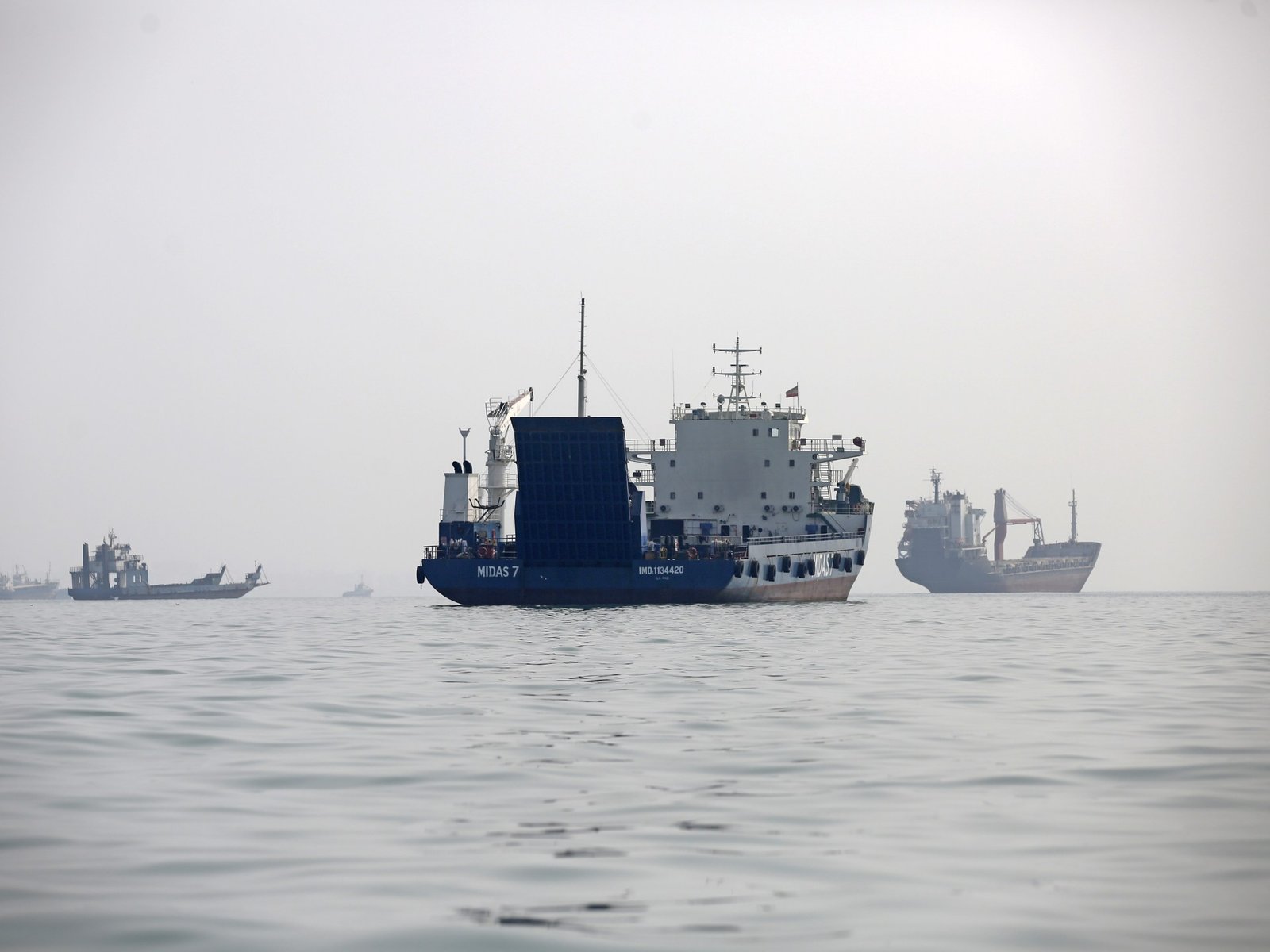
The geopolitical tension triggered immediate reactions in global energy markets. Brent crude, the international oil benchmark, rose by 4.5 percent on Thursday. This spike coincided with confirmation that Iran had attacked a new vessel in the Gulf. On Wednesday, one tanker was hit off the coast of Qatar, approximately 500km west of the Strait of Hormuz, while another was attacked off the coast of Oman outside the waterway. Direct combat between the US and Iran has largely subsided, though both nations continue to compete for control over oil and gas flows through the Bab el-Mandeb Strait. According to energy analytics firm Kpler, oil flows through the Hormuz strait reached nearly 90 percent of pre-war levels in late September. However, energy prices remain elevated, posing a political liability for Trump as he approaches the elections that will determine congressional control. In the past month alone, diesel prices in the US have risen by 14 percent to approximately $6 per gallon. Middle Eastern refineries are still operating below full capacity, and the flow of refined petroleum products through Hormuz remains at roughly half of pre-war levels.
The conflict has expanded into a broader regional war, with the focal point now shifting to Yemen. Saudi Arabia and its allies are attempting to roll back Houthi forces following a sweeping offensive down the Red Sea coast last month. Saudi Arabia supports Yemen’s internationally recognized government against the Houthis, who have received arms and training from Iran. This week, the kingdom activated a new joint defense pact with partners Turkey and Pakistan. Middle East Eye initially reported that Turkey would send weapons systems, including air defense batteries and troops, to defend the kingdom. Pakistan also told CNN it was sending weapons to assist in protecting Saudi Arabia.
Questions remain regarding the depth of involvement from Turkey and Pakistan. Both nations seek to deepen ties with Saudi Arabia and demonstrate their ability to underwrite a new regional security architecture amid growing doubts about US reliability. However, they are cautious about becoming entangled in a conflict involving an ally of Iran situated on a critical international trade chokepoint. The US itself has refused to become publicly involved in fighting the Houthis. The New York Times reported on Thursday that Pakistani warplanes were flying above Yemen and striking Houthi targets. Islamabad quickly denied the story, stating it was only providing defensive support to Saudi Arabia.
Saudi Arabia has blamed the Houthis for strikes on the holy cities of Mecca and Medina, claims the group denies. The Houthis have garnered sympathy in the wider Arab and Muslim world for attacks on Israel, which they say defend besieged Palestinians in Gaza following the October 7, 2023, Hamas-led attacks. Over 74,000 Palestinians have been killed in what the United Nations and genocide scholars have called a genocide. Regional states from Qatar to Syria and Somalia have condemned the Houthis' strikes on Saudi Arabia. Turkish Foreign Minister Hakan Fidan stated on Thursday that Saudi Arabia was supporting Yemen's "legitimate government" but emphasized that the agreement was defensive. "When a country party to the pact comes under attack, you stand by it in its defence. This is not an offensive agreement," Fidan said, adding that Turkey would not send troops to carry out attacks on another country's territory.
Saudi Arabia continues to absorb intense blows from the group. At least three people were killed on Wednesday after the Houthis claimed responsibility for strikes on Abha International Airport and King Khalid International Airport in Riyadh. The Houthis struck Riyadh’s airport again on Thursday, with video footage showing at least two drones slamming into the facility. Regional officials told Middle East Eye that at least one Saudi commercial aircraft was severely damaged. These attacks damage Saudi Arabia’s image as an international business hub. While Qatar, Kuwait, Bahrain, and the UAE were hit hardest after the US and Israel attacked Iran, Saudi Arabia was relatively spared. Lufthansa announced on Thursday that it would cancel all flights to Riyadh until October 16.
This report was produced in the Europe Brief News newsroom.