EU, China Deal to Halve Hybrid Car Exports Amid Trade Tensions
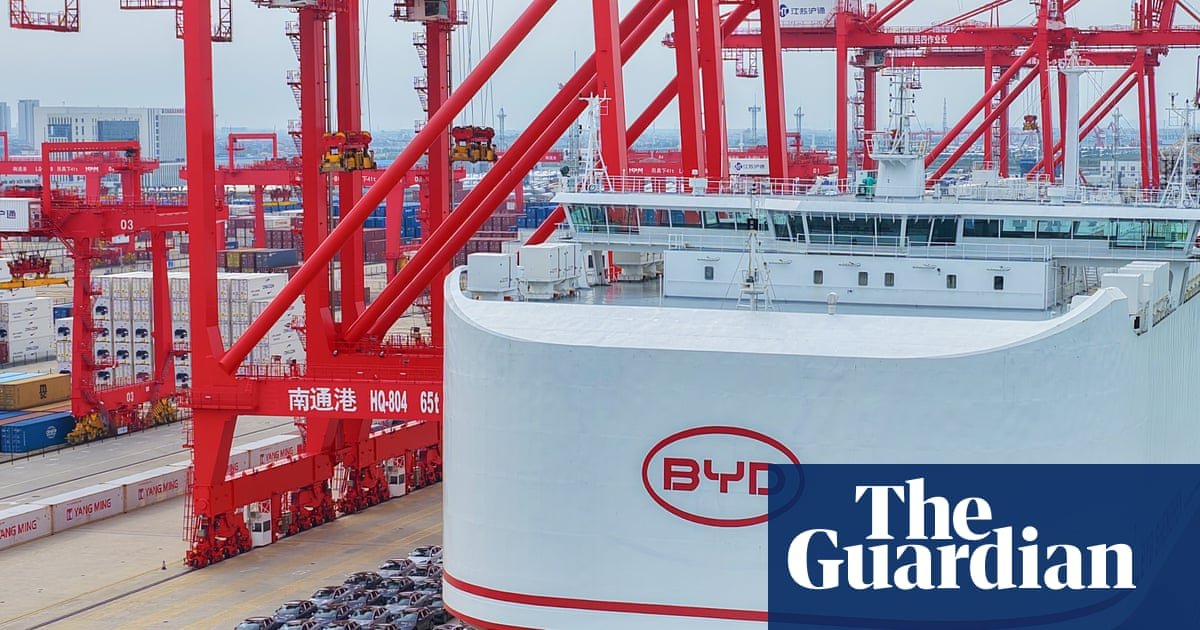
Brussels – The European Union has concluded a landmark trade agreement with China designed to significantly curtail the influx of hybrid vehicles into the bloc. According to the European Commission, the deal aims to halve Chinese exports of plug-in and battery-powered hybrids over a four-year period, a move intended to shield European manufacturers from what officials describe as an overwhelming flood of cheaper imports. Trade Commissioner Maroš Šefčovič announced the agreement during a press conference in Beijing on Friday, describing it as the first of its kind and the result of intense negotiations that began in June.
The primary objective of this arrangement is to address a growing trade imbalance that has strained relations between the two economic powers. Šefčovič noted that the daily trade deficit stands at approximately €1.18 billion (£1 billion), a figure that has fueled mounting tensions across various sectors, including chemicals and textiles. He emphasized that the negotiated solution was driven by strong political pressure from EU member states, where thousands of jobs are perceived to be at risk due to the surge in Chinese goods. The commissioner stated that Chinese partners acknowledged these concerns and appreciated the urgency expressed by European leaders for swift action.
This agreement marks a departure from standard World Trade Organization procedures, which typically require prior investigations before implementing safeguards. Šefčovič highlighted that China’s willingness to moderate exports without such preliminary tension represents a unique diplomatic breakthrough. The deal includes sixteen points, with both sides committing to continue discussions on broader issues such as export restrictions on rare earths and improved market access for EU food and drink products. China’s Ministry of Commerce issued a statement affirming its readiness to facilitate export licenses for rare earths and permanent magnets destined for the EU, while reaffirming a commitment to stabilizing bilateral trade within WTO frameworks.
Regarding the specific mechanisms for reducing car sales, the Chinese ministry indicated that both parties would adhere to procedures concerning company price undertakings. This suggests that one method of curbing the volume of Chinese vehicles will involve setting higher minimum price tags for hybrids sold in Europe. Šefčovič cautioned that this agreement is merely a crucial first step rather than a final resolution, noting the difficulty of reversing a trade war once declared. Senior EU officials had previously sought a pilot scheme in Beijing to test this new model of trade balance management, hoping it could be expanded to other sectors facing competition from Chinese industries. The commissioner is scheduled to brief EU diplomats in Brussels on Sunday ahead of a leaders’ summit on Thursday, where the implementation of this historic accord will likely be a central topic of discussion.
This report was produced in the Europe Brief News newsroom.