US EPA Repeals Power Plant GHG Rules, Citing $300bn Savings
The United States Environmental Protection Agency (EPA) has officially repealed rules that limited greenhouse gas emissions from coal and natural gas power plants. This regulatory reversal undoes decades of environmental protections designed to curb gases identified by scientists as primary drivers of global warming. The decision marks a significant shift in federal energy policy under the current administration.
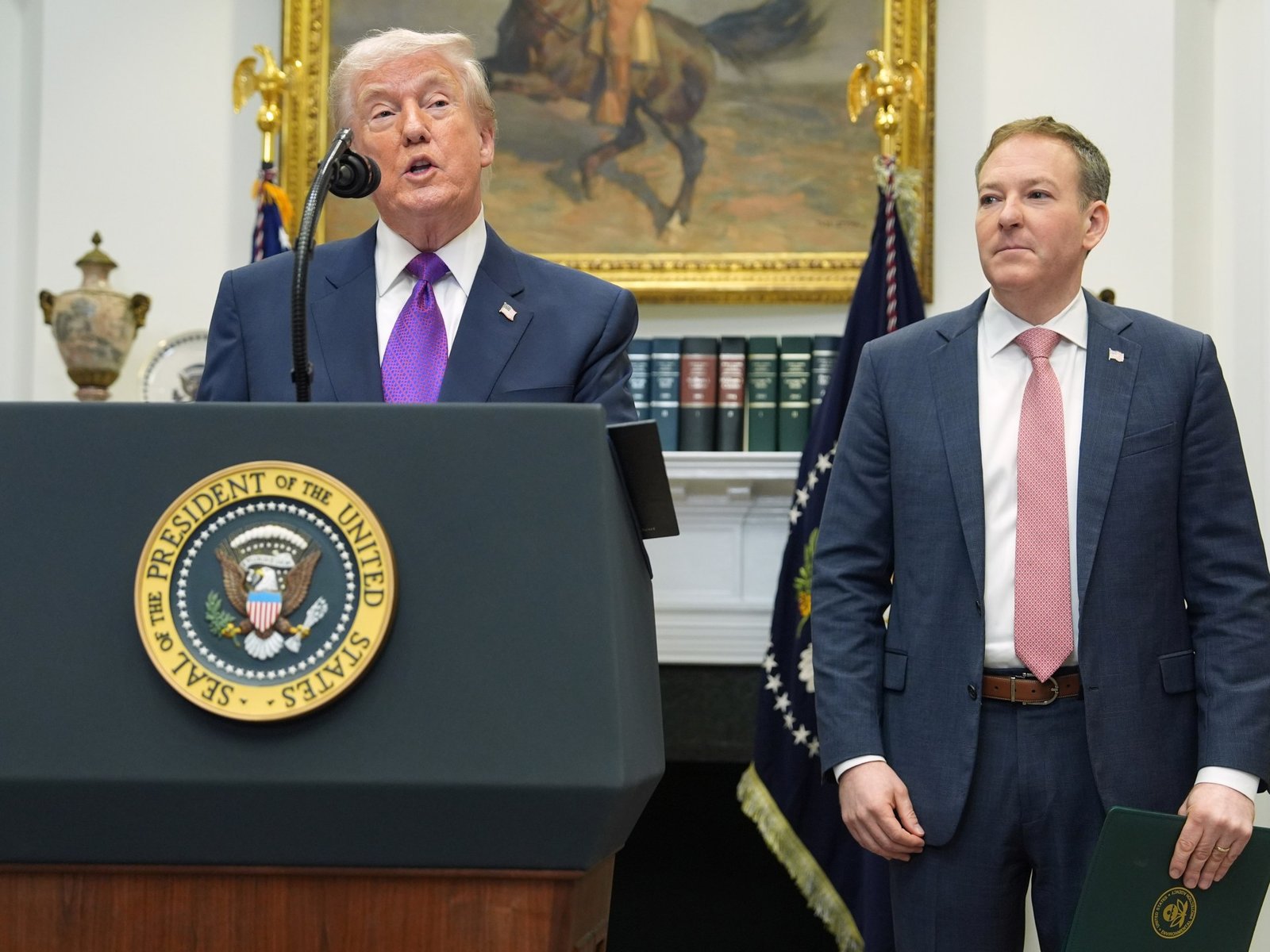
EPA Administrator Lee Zeldin announced the changes during a news conference held in Houston on Monday. He stated that Americans have been demanding more common sense at federal agencies under President Donald Trump’s leadership. According to Zeldin, this approach means cutting red tape so that new power-generating infrastructure can be built more efficiently. The agency estimated that these changes would eliminate more than $300bn in costs for power plants, a figure intended to highlight the economic benefits of deregulation.
In addition to the immediate repeal, the EPA proposed a separate rule expected to be finalized next year. This proposed measure aims to prevent future administrations from returning to regulate greenhouse gas emissions from power plants again. The move is part of a broader series of environmental oversight rollbacks initiated since President Trump returned to office in 2025.
Environmental groups have immediately signaled their intent to challenge the lifting of restrictions. Critics argue that the decision comes at a high cost to public health and will further degrade the environment. Maggie Coulter, an attorney at the Center for Biological Diversity’s Climate Law Institute, condemned the action. She said that denying the existence of a quarter of the country’s climate pollution is utterly reckless. According to Coulter, this denial will lead to more lost lives and suffering from intense heatwaves, drastic storms, and destructive wildfires, similar to those experienced during the recent summer.
EPA officials defended the change by asserting it allows utilities to make the best decisions for their ratepayers. They argued that previous regulations forced companies to close aging or inefficient plants unnecessarily. The administration maintains that removing these constraints unleashes American energy potential while reducing financial burdens on the power sector. However, the legal battle over the validity of the repeal is expected to intensify as environmental organizations prepare lawsuits against the new policy framework.
This report was produced in the Europe Brief News newsroom.