Netanyahu Flies Over Four Nations With ICC Warrant

Israeli Prime Minister Benjamin Netanyahu flew over Greece, Italy, France and Canada on Thursday while traveling to address the United Nations General Assembly. This transit occurred despite an active arrest warrant issued by the International Criminal Court against him. The warrant was issued in November 2024, charging Netanyahu with war crimes and crimes against humanity allegedly committed in Gaza since October 2023.
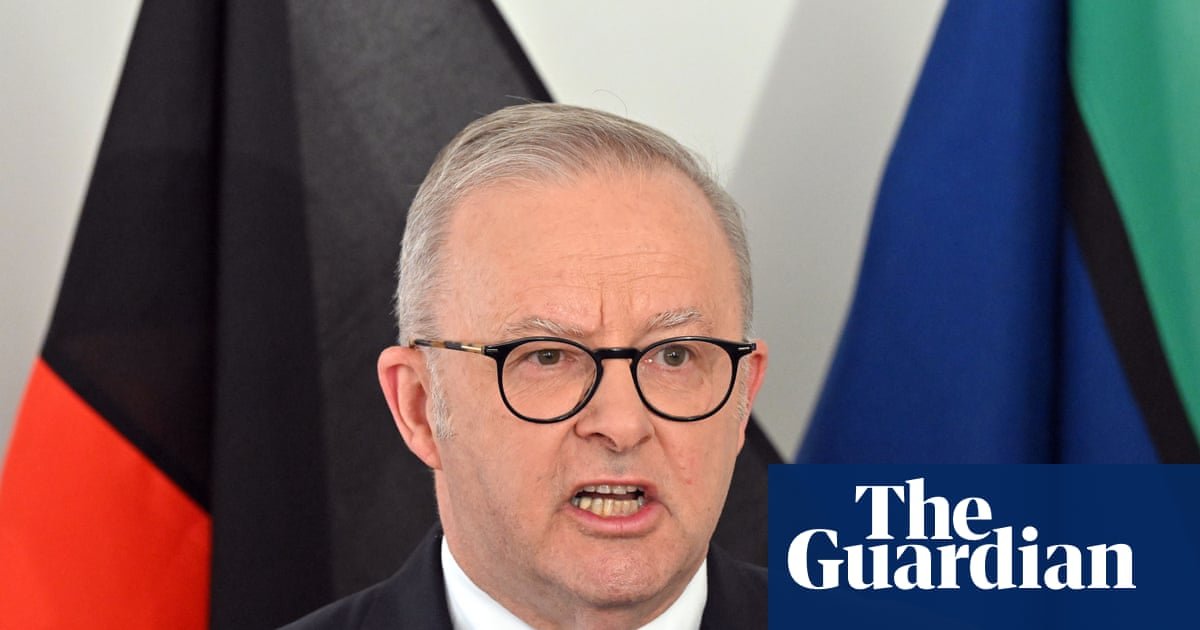
The Israeli leader arrived in the United States for a brief visit to speak at the UN in New York. Upon his arrival, Mayor Zohran Mamdani stated that he does not have the legal authority to arrest the Israeli leader within New York City limits. However, he urged the US government to implement the arrest warrant, asserting that it is justified under international law.
In a video address released in July, Mamdani explained the limitations faced by local authorities. He said, "My administration has reviewed every avenue available under applicable law to determine whether New York City could execute the International Criminal Court's arrest warrant if Benjamin Netanyahu came here." This statement followed comments by President Donald Trump indicating that Netanyahu would not be arrested during his visit.
The decision by Greece, Italy, France and Canada to allow overflight rights highlights the complex legal landscape surrounding the ICC warrant. As member states of the Rome Statute, these countries are generally obligated to cooperate with the court. However, diplomatic immunity and political considerations often complicate enforcement actions against sitting heads of state or government.
The ICC warrant remains a significant point of contention in international relations. Critics argue that allowing such flights undermines the court's authority and the rule of law. Supporters of the warrant emphasize the seriousness of the charges and the need for accountability.
Netanyahu's journey to New York continues to draw attention from human rights organizations and legal experts. Many hope that his presence will spark further debate on the implementation of international justice mechanisms.
The situation in New York remains tense as city officials navigate their limited powers versus federal responsibilities. Mamdani's call for federal action underscores the gap between local sentiment and national policy.
As the UN session progresses, the focus remains on the broader implications of the ICC warrant. The case sets a precedent for how international courts interact with powerful nations and their leaders.
Observers note that the lack of immediate enforcement does not negate the validity of the warrant. It reflects the challenges of global governance and the sovereignty of individual states.
The incident serves as a reminder of the ongoing conflict in Gaza and its international repercussions. The charges against Netanyahu continue to shape diplomatic discourse and legal debates worldwide.
Ultimately, the flight over four nations illustrates the tension between international legal obligations and political realities. The outcome of this episode may influence future interactions between the ICC and member states.
This report was produced in the Europe Brief News newsroom.