US and Iran Clash Over Strategic Control of Critical Maritime Chokepoint
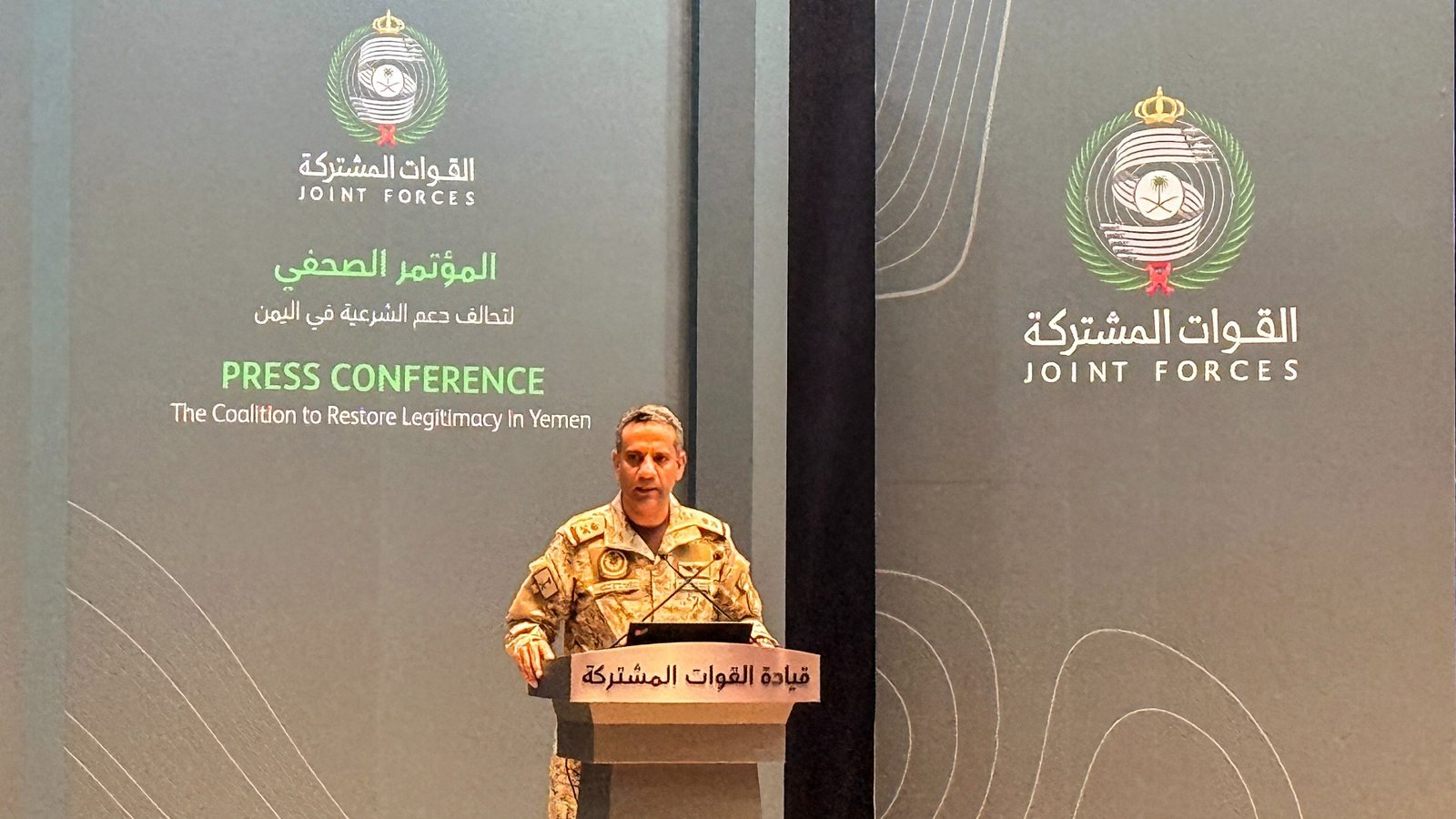
Washington – The United States Central Command has formally rejected assertions made by Iranian authorities claiming exclusive control over the Strait of Hormuz, a critical maritime chokepoint for global energy supplies. In a statement posted on the social media platform X on Thursday, the command center alleged that American forces and their regional partners maintain effective oversight of the waterway. The US military emphasized that commercial vessels continue to navigate the strait without interruption, despite what it described as unwarranted aggression directed at international shipping by the Islamic Revolutionary Guard Corps.
Simultaneously, the US command issued denials regarding several specific incidents circulating in regional discourse. Centcom explicitly refuted claims that Iranian forces had killed hundreds of American service members stationed in Jordan. Additionally, the command dismissed allegations that a container ship flying the Singaporean flag had struck a naval mine within the strait on Wednesday. These denials were presented alongside the broader rebuttal of Iranian sovereignty claims, aiming to clarify the operational reality of the region from the American perspective.
In response to these statements, Iranian state media provided a contrasting narrative regarding security conditions in the area. IRIB news reported comments from Amir Hatami, the commander of the Iranian army, who asserted that the military maintains full surveillance capabilities over the strategic passage. Hatami stated that both the regular army and the revolutionary guard are actively monitoring the waters. He further claimed that no enemy vessel has succeeded in entering the maritime space adjacent to Oman or the Strait of Hormuz, suggesting a complete blockade or denial of access to hostile actors.
The exchange highlights the ongoing tension between Washington and Tehran regarding influence in the Persian Gulf. While the US emphasizes freedom of navigation and the continued flow of commerce, Iranian officials frame their presence as a defensive measure ensuring security against external threats. The conflicting reports underscore the complexity of maintaining stability in one of the world’s most heavily monitored and strategically significant waterways. Both sides utilize public communications to assert dominance and challenge the other’s narrative, contributing to an environment of heightened military rhetoric. The incident reflects broader geopolitical struggles where control of trade routes serves as a key lever of power and a point of contention between rival powers in the Middle East.
This report was produced in the Europe Brief News newsroom.