Iraqi Traders Face Massive Losses as Currency Devaluation Halts Wholesale Trade
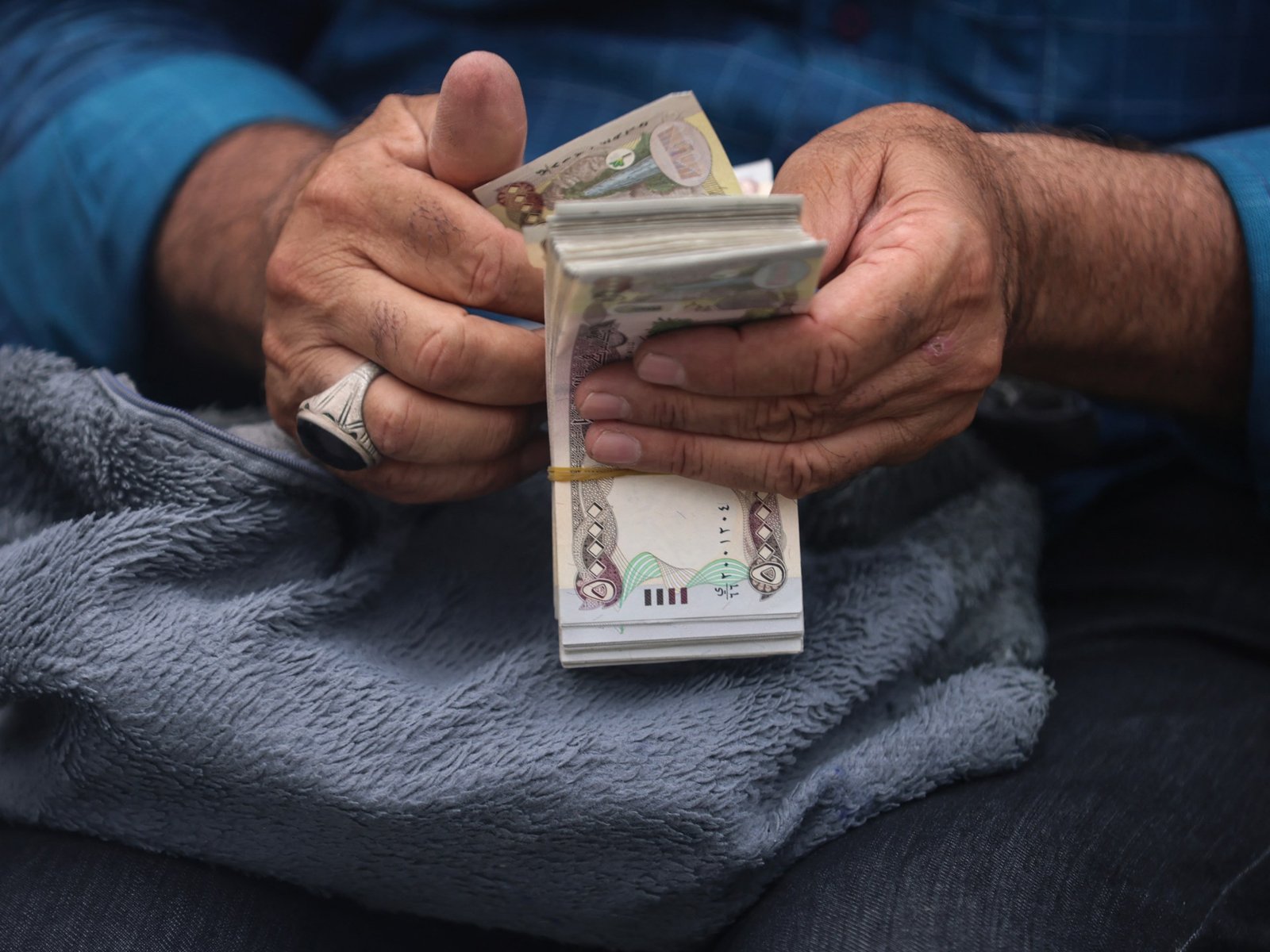
Baghdad – The Iraqi government’s recent decision to devalue the national currency against the US dollar has triggered immediate economic distress for wholesale traders in Baghdad, halting commercial activity and causing substantial financial losses. Hamza al-Rudayni, a food trader operating from a small office in Jameela market, one of the capital’s primary wholesale hubs, expressed deep uncertainty regarding future pricing strategies and business viability following the policy shift. Al-Rudayni stated that the devaluation reduced the dollar value of his dinar holdings, effectively diminishing his purchasing power for imported goods. He reported waking up to discover he had lost 25 million Iraqi dinars, approximately $16,500 at the new exchange rate, while larger merchants suffered losses amounting to billions.
The root of the crisis for traders lies in the regulatory framework prohibiting the sale of goods in dollars. Traders must purchase imports using US dollars but sell them in local dinars. A weaker dinar necessitates higher local currency payments for dollar-denominated imports, complicating price determination for existing stock. Al-Rudayni noted that market activity has ground to a halt as traders suspend buying and selling until stability returns. He explained that exchange-rate fluctuations have made prices unpredictable, forcing many to wait for clarification on how to adjust their margins without incurring further deficits.
Al-Rudayni entered the wholesale trade sector last year after losing his previous position at a private Iraqi bank sanctioned by the United States Treasury. To finance his new venture, he sold his car and utilized personal savings to partner with a larger merchant before launching an independent business. His experience reflects the broader vulnerability of small-scale traders who lack the financial buffers of larger enterprises. The sudden devaluation has exposed these businesses to immediate liquidity risks, as their assets in dinars have depreciated relative to the foreign currency required for supply chains.
The government’s move aims to alleviate a severe cash crunch and facilitate salary payments across public sectors. However, the strategy has left traders in limbo, facing rising operational costs and uncertain demand. Al-Rudayni emphasized that the inability to hedge against currency volatility creates an unsustainable environment for small merchants. Many traders are now withholding inventory sales, hoping for regulatory adjustments or exchange rate stabilization before resuming transactions. This pause in commerce threatens to exacerbate supply shortages and inflationary pressures in essential goods markets.
While the state seeks macroeconomic relief through currency adjustment, the microeconomic impact on traders remains acute. The disconnect between official exchange rates and market realities has created a period of paralysis in Jameela market and similar wholesale centers. Traders report that determining appropriate retail prices is nearly impossible given the rapid shifts in import costs. Consequently, the devaluation has not only eroded wealth but also disrupted the flow of goods, raising concerns about long-term impacts on market functionality and consumer access to basic commodities. The situation underscores the challenges of implementing monetary policy reforms in economies heavily reliant on imported goods and constrained by rigid pricing regulations.
This report was produced in the Europe Brief News newsroom.