Ukraine Raises Oleshky Starvation Crisis at UN
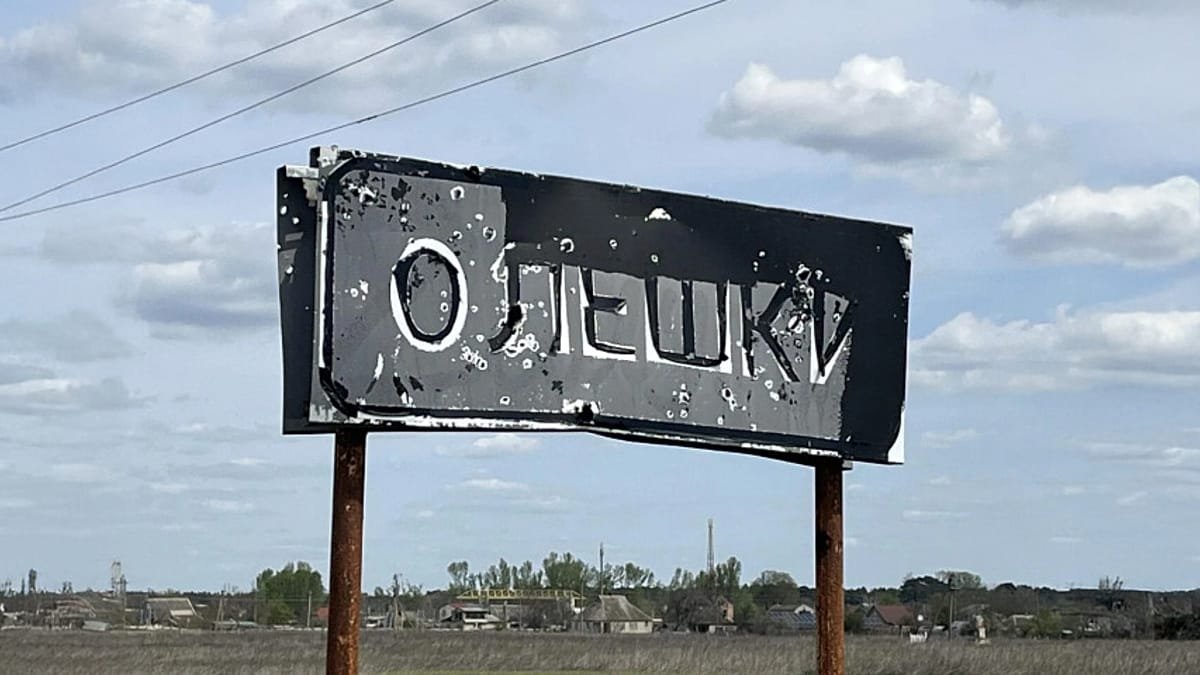
Kyiv is set to elevate the humanitarian emergency in the Russian-occupied town of Oleshky to the United Nations General Assembly, according to Ukraine’s Foreign Ministry. The diplomatic move follows reports that Russian forces are actively shooting down drone-delivered food supplies, confiscating aid that reaches the ground, and preventing the evacuation of approximately 2,000 residents trapped in the Kherson region settlement. Oleksandr Prokudin, head of the Kherson regional military administration, stated that troops are detaining civilians found with humanitarian parcels and conducting house-to-house searches for dropped supplies. He added that soldiers are reselling confiscated goods while obstructing all regular aid channels since May.
The Council of Europe has warned that civilians in Oleshky face a high risk of death due to the absence of food, medicine, water, and electricity. Michael O'Flaherty, the Council’s Commissioner for Human Rights, expressed alarm over the rapidly worsening crisis, noting that children and adults are trapped without sufficient medical care or running water. He reminded Russia of its legal obligations under international humanitarian law to ensure the population has access to essential resources. The UN mission in Ukraine previously described the situation as desperate, highlighting a serious threat to life and a lack of medical access.
Ukrainian forces have attempted to deliver around four tonnes of food via drone across the Dnipro River, marking one of the largest such operations during the war. However, the 34th Separate Marine Brigade Borysfen reported that Russian FPV drones hunt people in the streets, making movement nearly impossible. Residents rely on gardens for food and move between abandoned buildings to avoid looting and shelling. Tetyana Hasanenko, an employee of the city military administration, told ABC News that unburied corpses lie on roads and that more than 100 bodies remain in a hospital basement without electricity for four years.
The population of Oleshky has plummeted from 25,000 before the full-scale invasion in February 2022 to roughly 2,000 today, including nearly 50 children, according to the regional administration. The All-Ukrainian Council of Churches and Religious Organisations estimates that over 6,000 people may still remain in the area. Conditions deteriorated sharply after the destruction of the Kakhovka hydroelectric dam in June 2023, which flooded large parts of the region and killed at least 200 to 300 people in Oleshky alone. Musicians and activists, including tennis player Oleksandra Oliinykova, have drawn public attention to the catastrophe through social media and sports events.
Kyiv has drafted a humanitarian evacuation plan supported by the International Committee of the Red Cross, but Foreign Minister Andrii Sybiha stated that Russia has not confirmed readiness to allow the mission. Sybiha accused Moscow of deliberately provoking a humanitarian catastrophe by blocking access to food and medicine. Kremlin spokesman Dmitry Peskov acknowledged the critical situation but blamed the Kyiv regime for blocking deliveries. The crisis in Oleshky mirrors conditions in other destroyed Ukrainian cities such as Mariupol, Bakhmut, and Avdiivka, where occupation or bombardment has rendered areas uninhabitable.
This report was produced in the Europe Brief News newsroom.