
Oil Prices Spike Past $107 as Trump Rejects Tehran's Strait of Hormuz Reopening Proposal
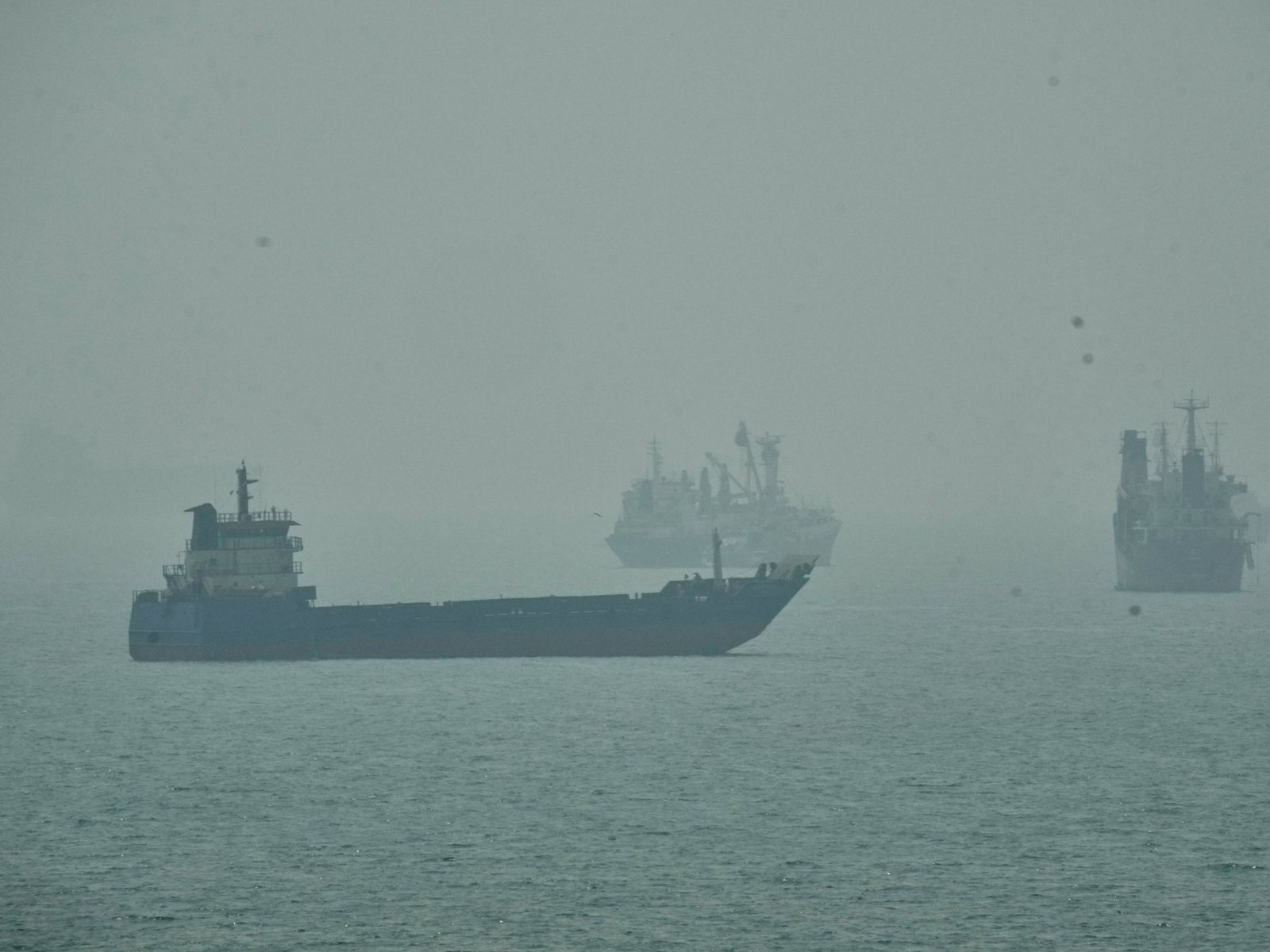
London – International oil markets experienced a sharp upward trajectory on Monday after United States President Donald Trump formally rejected a proposal from Iran aimed at reopening the strategic Strait of Hormuz. The rejection triggered immediate volatility in energy commodities, with Brent crude futures surging more than 3 percent to approach the $108 mark per barrel during Asian trading sessions. By shortly before 08:00 GMT, November Brent contracts were stabilizing around $107.35 a barrel, reflecting heightened investor anxiety over potential supply disruptions in the Persian Gulf region.
The diplomatic impasse centers on a plan announced by Tehran at the United Nations General Assembly on Friday. According to the Iranian proposal, Washington would be required to unfreeze Iranian assets, lift existing economic sanctions, and terminate its naval blockade of Iranian ports. In return, Iran pledged to reopen the vital waterway for commercial shipping and resume negotiations regarding its nuclear program within a seven-day timeframe. However, President Trump declared on Saturday that these conditions were unacceptable, effectively dismissing the offer and signaling no immediate willingness to de-escalate tensions through this specific diplomatic channel.
The geopolitical context remains tense following military strikes launched by the United States and Israel against Iranian targets in late February. Prior to the onset of hostilities, approximately one-fifth of global oil supplies transited through the Strait of Hormuz, which connects the Gulf to the Gulf of Oman and the Arabian Sea. Since the commencement of the conflict, commercial navigation through the strait has plummeted due to a series of attacks on vessels in the Gulf. Most of these incidents have been attributed to Iran or allied militias, further complicating efforts to restore normal maritime traffic and stabilize energy markets.
Financial markets across the Asia-Pacific region displayed mixed reactions to the news. While Wall Street concluded the previous week with a modest 0.5 percent gain for the benchmark S&P 500 index, Asian exchanges faced downward pressure. Japan’s Nikkei 225 index fell by 0.73 percent, and South Korea’s Kospi dropped by 2.70 percent. Conversely, Hong Kong’s Hang Seng Index rose by 0.54 percent, and Australia’s S&P/ASX 200 edged up by 0.17 percent. This divergence highlights the complex interplay between regional economic resilience and broader concerns over global energy security amid ongoing military confrontations.
The surge in oil prices underscores the critical role of the Strait of Hormuz as a chokepoint for global energy flows. Any prolonged disruption or threat to free navigation in the area continues to exert upward pressure on crude benchmarks. Investors are closely monitoring developments as the US maintains its stance against the Iranian demands, while the risk of further escalation looms large over international trade routes. The current market dynamics reflect not only the immediate impact of the rejected proposal but also the underlying uncertainty surrounding the duration and scope of the conflict in the Middle East.
This report was produced in the Europe Brief News newsroom.