Israel’s Endorsement of Dodik Sparks Fears for Bosnia’s Stability
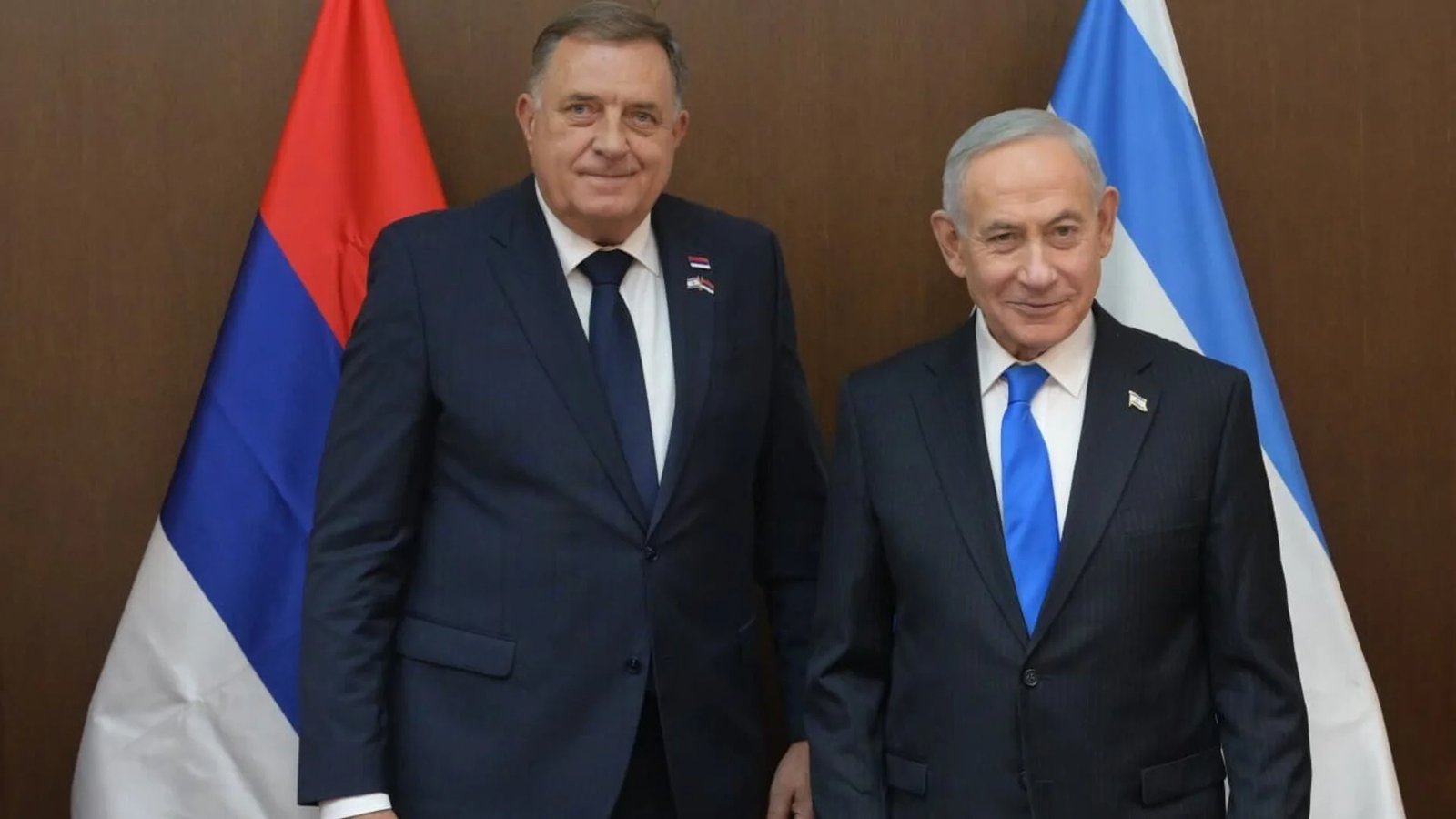
Following weekend elections in Bosnia and Herzegovina, Israel’s Foreign Minister Gideon Saar has publicly endorsed Milorad Dodik, the former president of the Serb-majority entity Republika Srpska, intensifying tensions within the country and raising alarms about regional stability. Dodik’s political bloc emerged as a winner in the polls, with his ally Zeljka Cvijanovic of the right-wing Alliance of Independent Social Democrats securing more than 55 percent of the Serbian vote to retain a seat on Bosnia’s three-member presidency. The presidency is constitutionally divided among Bosniak Muslims, Croats, and Serbs, a structure designed to balance ethnic representation but increasingly exploited for separatist agendas.
Saar inflamed existing divisions by congratulating "President Dodik" and Cvijanovic in a statement on X, describing their victory as a strong vote of confidence for Republika Srpska and Dodik’s leadership. Notably, the minister omitted any mention of Bosnia and Herzegovina in the message and issued no corresponding congratulations to the Bosniak Muslim member of the presidency, though he did congratulate the Croat member. This selective diplomatic engagement signals a shift in Israeli policy that many observers view as legitimizing Dodik’s separatist rhetoric.
Dodik, who has visited Israel at least three times this year, has openly articulated threats to Bosnia’s internationally recognized borders. In January, he stated that he had asked Prime Minister Benjamin Netanyahu to help Republika Srpska re-establish its own army, finances, courts, and intelligence services. Such demands represent a clear challenge to the Dayton Agreement and the sovereignty of the state. Professor Asim Mujkic, a Bosnian philosopher and sociologist, told Middle East Eye that Bosnia’s constitutional framework encourages ethnic political organization to the detriment of other forms of governance. He argued that such a fragmented electoral system deepens divisions and leads toward an autocratic form of government, citing Dodik as an excellent example of this trend.
The growing ties between Israel and Republika Srpska offer Dodik international backing for his goal of seceding from Bosnia and joining Serbia. Denijal Jegic, an assistant professor of communication, noted that both entities are internationally isolated and that Israeli support serves primarily propaganda purposes while advancing Dodik’s aspirations for closer ties with the United States. Jegic warned that Israeli attempts to empower separatist tendencies threaten the fragile sovereignty of Bosnia and Herzegovina by providing outside legitimacy to secession efforts.
For Israel, empowering Dodik also serves as a bargaining chip against Europe. As European governments consider holding Israel accountable for actions in Gaza, support for Dodik sends a threatening message that Israel can destabilize the Balkans, exposing Europe to another crisis reminiscent of the bloodshed in the 1990s. This development occurs while Europe is already supporting Ukraine against Russia’s invasion, stretching its security resources further. Jegic added that Israel’s influence in the region has largely piggybacked on the United States, the European Union, and NATO, all of which are main backers of the Israeli regime. However, the international isolation faced by Israel may have accelerated its push into the Balkans, where it seeks alliances with smaller entities to maintain hegemony.
Dodik denies the Srebrenica genocide, a stance that aligns with what Mujkic describes as a broader unwillingness among Serb political classes to confront past crimes. This narrative blackmails voters by suggesting that rejecting Dodik means accepting the abolition of Republika Srpska or recognition of Kosovo’s independence. With Israeli influence within the Trump administration and Donald Trump’s appetite for unconventional deals, Dodik’s prospects for breaking away appear more favorable than ever, posing a significant risk to peace in the wider Balkans.
This report was produced in the Europe Brief News newsroom.