Spain Mourns 68 Dead in Train Crash as Safety Questions Mount
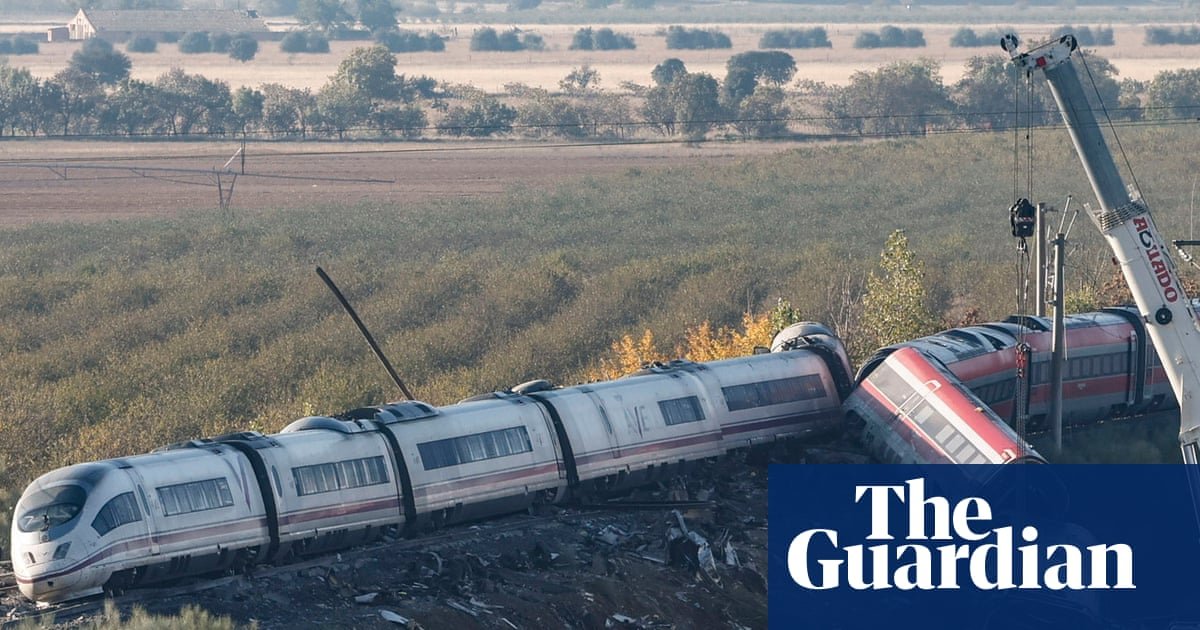
Spain has commenced a three-day national mourning period to honor the 68 individuals who lost their lives in a catastrophic high-speed train collision. As hospitals continue to treat scores of injured passengers, emergency services are actively scouring the wreckage of two trains for remaining victims. The disaster occurred on Wednesday morning when a private Iryo train collided with a state-owned Renfe service near Urda in Castilla-La Mancha. Officials confirmed that another 107 people required medical treatment, with 15 patients listed in serious condition.
The incident has reignited intense scrutiny regarding safety protocols on Spain’s extensive high-speed rail network. Transport Minister Óscar Puente stated that rear-end collisions are "highly unlikely" but suggested the accident may have resulted from human error under "inexplicable" circumstances. He revealed that the LZB automatic signaling system failed due to a computer malfunction around 8:30 am local time. This failure halted approximately six trains along a 63km stretch of track. Despite a "stop signal" remaining in place, operators at a Madrid command center instructed at least two trains to proceed normally. Puente described this decision as clearly wrong and inexplicable from a safety perspective.
This tragedy follows closely on the heels of a similar crash ten months prior near Adamuz in Andalucía, which killed 46 people. That previous disaster involved one Renfe and one Iryo train on the same line. The recurrence has prompted calls for immediate investigation and a comprehensive review of the entire rail infrastructure by opposition leaders, including PP chairman Alberto Núñez Feijóo.
Rescue operations remain ongoing as teams use drones, cranes, and canine units to search through twisted metal. Esther Padilla, spokesperson for the regional government of Castilla-La Mancha, emphasized that rescue teams work carefully because they cannot yet confirm all victims have been found. Emiliano García-Page, head of the regional government, noted that more bodies might be discovered as access to the bottom of carriages improves. Meanwhile, Spanish train drivers proceeded with a planned strike demanding greater investment in railway safety.
The Guardia Civil has established clinics in Madrid, Toledo, Córdoba, and Seville to collect DNA samples from relatives aiding identification efforts. By Thursday morning, 64 people had been reported missing. A school in Urda serves as an information center where Red Cross psychologists support grieving families. Prime Minister Pedro Sánchez visited the site, declaring it unacceptable for Spain to suffer two such accidents in one year. He vowed that any security failures or negligence would be addressed with utmost severity. Among the named victims was José Manuel Chacón, a 31-year-old Guardia Civil officer. Media reports indicate the missing list includes a former conservative minister and several foreign tourists.
This report was produced in the Europe Brief News newsroom.