German, Russian FM Hold Rare Talks Amid Escalation Tensions
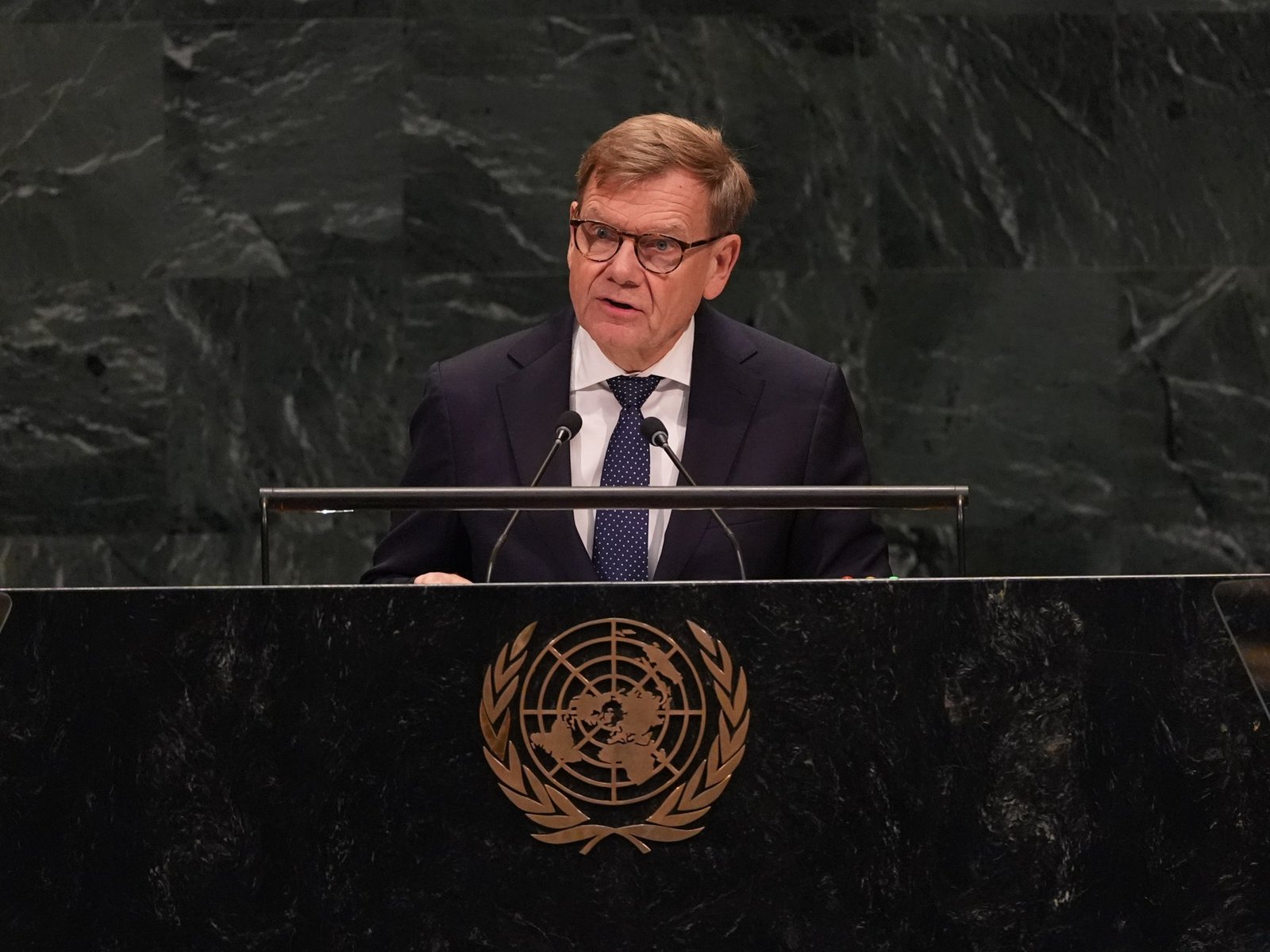
New York – German Foreign Minister Johann Wadephul has formally called on Russia to abandon what he described as a "dangerous path of escalation" involving Germany, Europe, and NATO. This directive was issued during rare bilateral talks with his Russian counterpart, Sergey Lavrov, held on the sidelines of the United Nations General Assembly in New York on Saturday. The meeting marked the first direct engagement between the two diplomats since Russia launched its full-scale invasion of Ukraine in 2022, signaling a significant, albeit tense, diplomatic development amidst ongoing geopolitical friction.
According to Maria Zakharova, the spokeswoman for the Russian Foreign Ministry, the initiative for this high-level dialogue originated from the German side. The encounter took place prior to Lavrov’s scheduled address to world leaders at the UN headquarters. Despite the request coming from Berlin, the atmosphere remained charged, reflecting the deep-seated distrust that characterizes current relations between Moscow and Western capitals. The timing of the talks, occurring just before major speeches at the General Assembly, underscored the urgency both sides felt in addressing the deteriorating security landscape in Europe.
In his subsequent speech to the UNGA, Lavrov did not shy away from criticizing Berlin’s role in the conflict. He asserted that Germany is not merely Kyiv’s "main sponsor" but is actively seeking to establish itself as a leading military power within Europe. Questioning the strategic foresight of German leadership, Lavrov asked whether Berlin truly understood the potential consequences of its policies. He further challenged German officials by asking if they had failed to learn the historical lessons of World War II, implying that their current trajectory risks repeating past catastrophes. These remarks highlighted the stark divergence in narratives between the two nations regarding the nature of the ongoing war.
Diplomatic ties between Berlin and Moscow have been effectively frozen since the onset of the invasion in 2022. Relations suffered another severe blow last month following a drone incident at Leipzig airport in eastern Germany. Berlin attributed the breach of airspace to Russian involvement, accusing Moscow of targeting critical infrastructure. Moscow firmly denied any participation in the incident, dismissing the allegations as fabricated evidence designed to justify anti-Russian sentiment. This event added to a pattern of European countries linking Russia to various drone incursions near airports, military bases, and other critical sites across the continent over the past year.
Following his address to the General Assembly, Lavrov provided further insight into the substance of his conversation with Wadephul. Speaking to reporters, the Russian Foreign Minister stated that he learned nothing new from his German counterpart that had not already been articulated in Berlin’s official public statements. This assessment suggested that the talks served more as a platform for reiterating established positions rather than forging new consensus or de-escalation measures. The exchange reinforced the perception that while diplomatic channels remain open, substantive progress toward resolving the underlying conflicts appears distant. As tensions continue to rise, these rare interactions serve as a barometer for the fragile state of international diplomacy in the region.
This report was produced in the Europe Brief News newsroom.