Lula bans fixed-odds sports betting ahead of Brazilian election
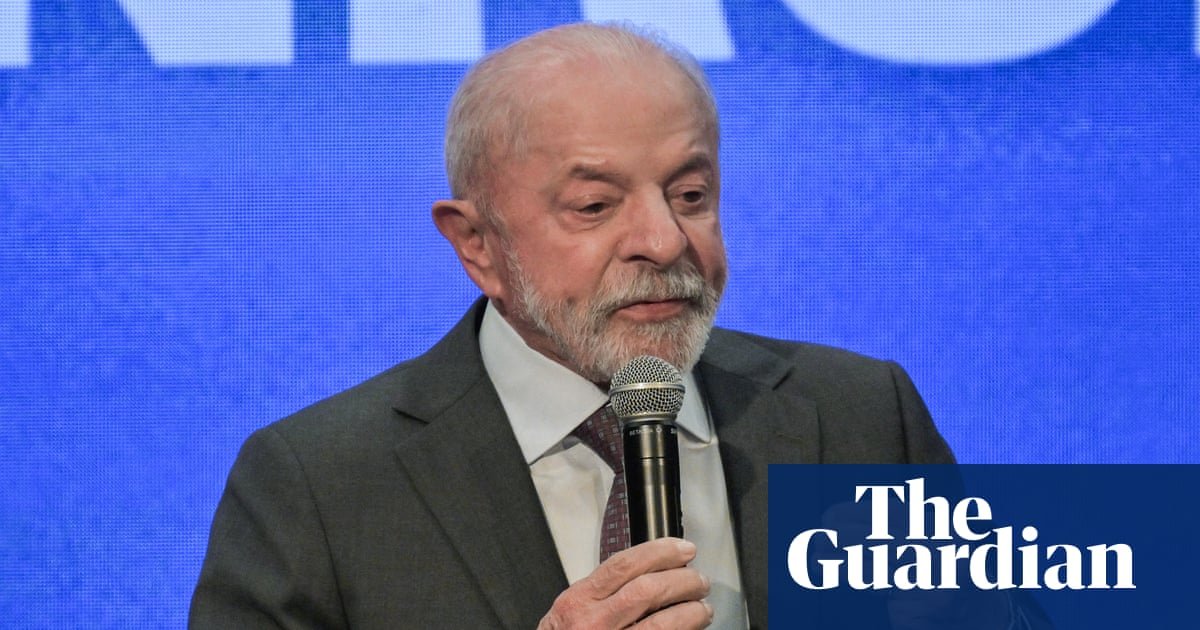
Brazilian President Luiz Inácio Lula da Silva has signed a provisional executive order immediately banning the operation, offering, intermediation, and advertising of fixed-odds sports betting. The decree was issued just over a week before the first round of the presidential election, a timing that critics have characterized as politically motivated while supporters view it as a decisive public health intervention. According to the president, the measure is designed to tackle the pervasive problem of families falling into debt due to gambling addiction. The order prohibits new deposits into betting accounts and grants users until 5 October to withdraw their existing funds. While the ban takes effect immediately, it requires congressional approval within 120 days to remain in force permanently.
Lula described the decision as a "hard, drastic and necessary measure," comparing the betting industry to cancer that must be excised to save the nation. He stated this to journalists in São Paulo, arguing that leaving the sector unregulated would allow it to destroy homes. This stance aligns with his earlier criticism at the United Nations General Assembly, where he accused the industry of transforming addiction into profit. Polls suggest that the ban enjoys widespread support among Brazilians, reflecting growing public backlash against ubiquitous advertisements during the Fifa World Cup and the subsequent surge in betting activity.
The economic impact of the sector is significant, with estimates suggesting it costs Brazilian society 38.8bn reais annually. A 2025 study by the Institute of Studies for Health Policies linked betting to increased rates of suicide and depression. The central bank previously estimated that Brazilians spend approximately 30bn reais on bets each month, including funds from the Bolsa Familia welfare program, which had been blocked from these platforms the previous year. Business analysts estimate revenues from sports betting alone exceed $4bn per year, making Brazil one of the world's largest markets.
Political tensions surrounding the ban are high. Flávio Bolsonaro, Lula’s main rival in the upcoming election, accused the current leader of using the decree as an electoral measure. Lawmakers, including many from Bolsonaro’s Liberal party, previously struck down a Lula order for tax hikes on online betting last October. Despite gambling being illegal in Brazil since its legalization for online betting in 2018 under Michel Temer and expansion under Jair Bolsonaro, Lula’s administration has moved to regulate and restrict the sector. In December 2023, Lula signed a law to tax betting companies, and later blocked over 2,000 irregular websites linked to criminal organizations.
The football industry reacted with alarm, warning that major clubs relied on betting sponsorships. Some clubs claimed the ban could lead to the end of Brazilian football, a sentiment mocked by social media users in the country. However, the administration maintains that closing this drain on the economy and addressing public health issues related to addiction are priorities that outweigh commercial interests. The government has drafted a bill to establish criminal offences for promoting fixed-odds betting and using personal data to solicit punters, further tightening the regulatory environment ahead of the vote.
This report was produced in the Europe Brief News newsroom.