
Aus Tax Office Ends Credit Card Payments as Surcharge Rules Shift
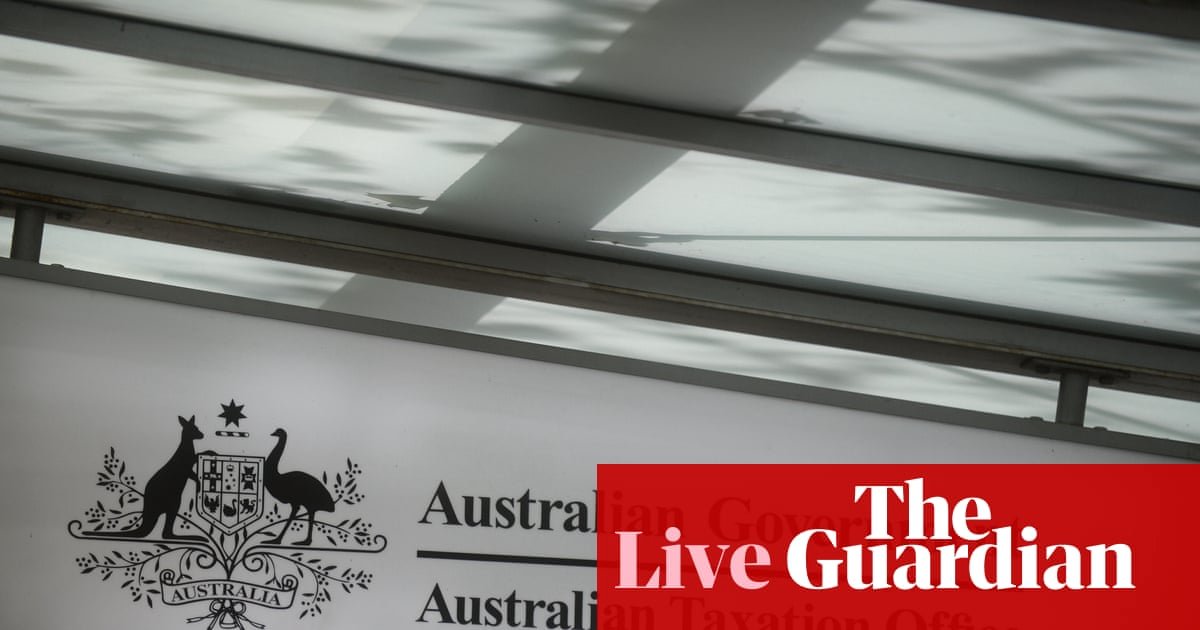
The Australian Tax Office has officially ceased accepting credit card payments for tax obligations starting today. This administrative change coincides with the broader implementation of Reserve Bank reforms designed to eliminate surcharging on major payment networks including Visa, Mastercard, and Eftpos. The central bank’s governor Michele Bullock stated that Australia’s existing card payments system was no longer fit for purpose following a comprehensive review. Consequently businesses have been required to adjust their fee structures immediately since they are no longer permitted to pass checkout fees onto customers.
According to the Australian Tax Office the decision to discontinue credit card acceptance stems from its status as a government agency. The agency determined it would be inappropriate to transfer the cost of credit card merchant fees to the community. Guardian Australia sought clarification from the tax office regarding what constitutes transferring costs to the community though specific details were not fully elaborated in the initial announcement. While the majority of Australians do not utilize credit cards for tax payments the agency acknowledged that a small segment of individuals and businesses rely on this method.
Taxpayers who currently have direct debit arrangements linked to credit cards must update their payment methods before their next instalment is due after 30 November. The Australian Tax Office emphasized that failure to make these adjustments could result in non-compliance with existing payment plans. The agency expressed commitment to assisting taxpayers during this transition period. It stated it would continue to support those experiencing financial hardship or other circumstances that make meeting obligations difficult under the new rules.
In parallel developments within the political sphere David Shoebridge the newly elected leader of the Australian Greens has voiced strong criticism regarding current political discourse. He asserted that Australians are sick of messaging without substance. According to Shoebridge citizens are demanding a political party willing to fight for them and take on the one percent as well as large corporations. He highlighted the unity within the Greens membership base across the country as evidence of this shared sentiment.
The shift away from credit card surcharges represents a significant structural change in how consumers interact with payment systems in Australia. Businesses have already begun implementing swift rule changes to adapt to the new environment where extra checkout fees on Visa Mastercard and Eftpos payments are prohibited. The Reserve Bank’s intervention aims to create a more equitable system by removing barriers that previously allowed merchants to charge additional fees for certain payment types.
As the Australian Tax Office implements these changes it remains focused on ensuring compliance among its taxpayer base. The deadline of 30 November serves as a critical checkpoint for those relying on credit-linked direct debits. The agency’s stance on not passing merchant fees to the community aligns with the broader national effort to reduce transaction costs. Meanwhile political leaders like Shoebridge are capitalizing on public frustration with perceived lack of substantive policy action positioning their parties as advocates against corporate dominance and economic inequality.
This report was produced in the Europe Brief News newsroom.