Australian Property Values Drop 5.2% as Brisbane and Sydney Lead
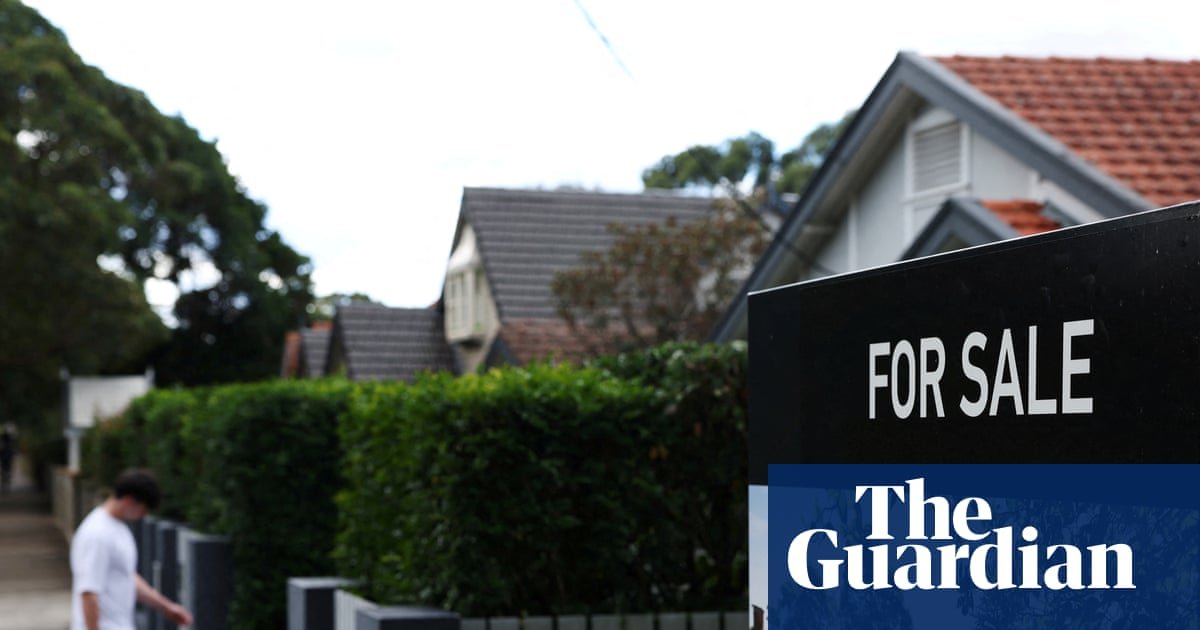
Brisbane and Sydney have recorded the steepest reductions in housing values across Australia, contributing to a national decline of 5.2 per cent from their peak in March, according to Cotality data released on Thursday. The figures indicate that median house prices fell in September as higher interest rates significantly constrained borrowing capacity for potential buyers. Housing prices are now falling in almost every suburb within the country’s largest metropolitan areas, with the economic slowdown intensifying across the sector.
According to the data, Brisbane’s home prices dropped by 1.5 per cent in September, marking a period where every suburb in the city recorded lower prices compared to June. The median price for a home in the Queensland capital stood at $1.05 million, representing a decrease of $59,000 since May. This current downturn follows a period where the city had seen prices surge by 18 per cent over the preceding twelve months. In Sydney, median values decreased by 1.4 per cent during the month and were down 8.6 per cent from their record high in March, equivalent to a loss of $112,000. Only four Sydney suburbs managed to hold steady in recent months.
Economists project that prices are on track to fall by at least 10 per cent following the Reserve Bank of Australia’s decision to lift rates for the fourth time this year on Tuesday. This move has pushed more buyers out of the market. Melbourne prices were also affected, down 7.2 per cent, or $63,000, from November 2025. While a handful of suburbs have seen prices continue to rise, Joe Trucchio, a buyer’s agent at Property Home Base, stated that the downturn had swept the city. He noted that despite it being the spring buying season, activity has not picked up as it had in previous years due to a sequence of bad news.
Interest rates have become the primary concern among hesitant buyers. Comparison website Canstar estimated that the four rate hikes this year have cut $47,400 from the borrowing capacity of someone earning an average annual full-time wage of $108,650. Housing prices would need to fall roughly 10 per cent to offset a one percentage point increase in interest rates, a threshold no suburbs have currently reached. However, Trucchio observed that dwellings on the cheaper end of the market have garnered more interest as first-home buyers regain confidence.
The Albanese government reported on Thursday that over 102,000 people had been supported with first-home loans under the five per cent deposit scheme in the year since it was expanded. The scheme has supported an average of over 8,400 new first-home buyers a month since June. RBA governor Michele Bullock said on Tuesday that the central bank considered leaving rates on hold amid an unexpectedly weak housing market but ultimately decided to lift them. She warned that falling prices would likely worsen housing supply by making new construction unprofitable. AMP chief economist Shane Oliver said the data supports forecasts of prices falling at least 10 per cent nationally, though rising distressed listings and unemployment risk a deeper fall of around 15 per cent.
This report was produced in the Europe Brief News newsroom.