Victoria’s Koala Population Half Previous Estimate
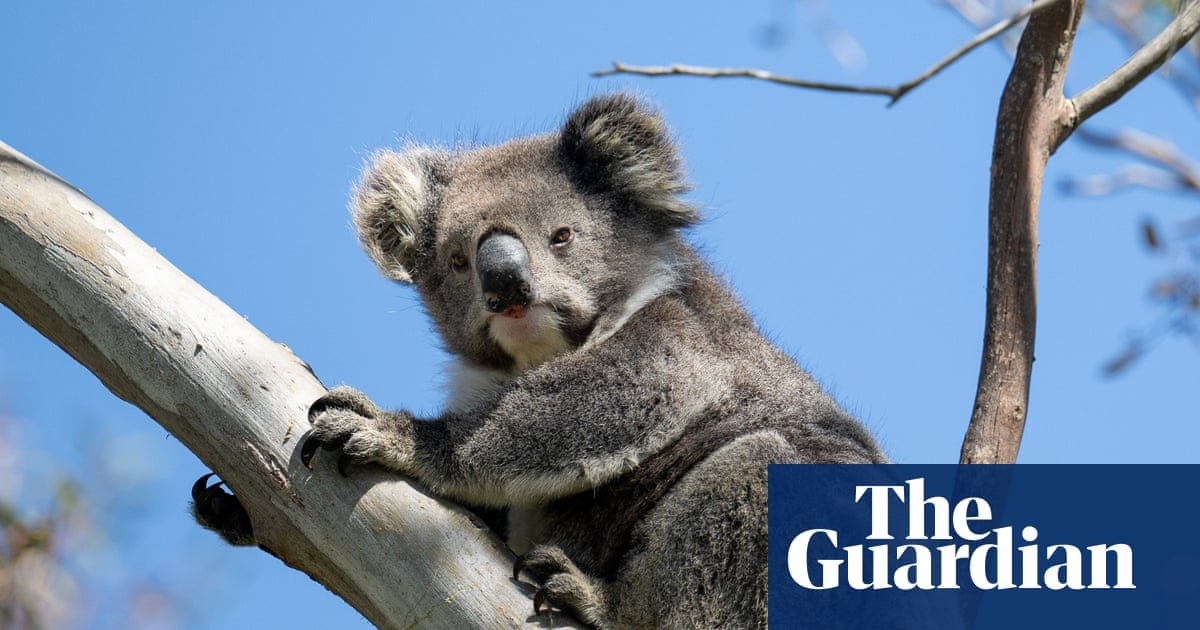
The Victorian government has published a comprehensive review of the state’s koala populations after withholding the findings for more than twelve months. The report, completed in June 2025 by the Arthur Rylah Institute for Environmental Research alongside scientists from major universities, indicates that the koala population is significantly smaller and in worse condition than previously believed. According to the data, there were an estimated 217,000 koalas in Victoria in 2023 and 224,800 in 2024. This figure represents a dramatic reduction from earlier estimates of 460,000, although the report attributes this discrepancy to changes in survey and modeling methodologies rather than a sudden demographic collapse.
Health assessments conducted on sixty-eight koalas revealed alarming levels of disease and physical deterioration. Researchers found that forty-three percent of the sampled animals were in such poor health that they had to be euthanized on welfare grounds. The study identified high rates of dental disease, affecting thirty-seven percent of koalas across all life stages and regions, with the exception of Mallacoota. Additionally, many of the euthanized animals suffered from "wet bottom," an advanced urinary tract infection often linked to chlamydia, as well as poor coat condition. Scientists warned that these clinical signs suggest chronic ill-health driven by multiple environmental and demographic stressors.
Leanne Wicker, a wildlife veterinarian and co-author of the report, stated that researchers were shocked by the severity of the health issues encountered in the field. She noted that it was difficult to secure necessary support and resources while the report remained unpublished. Wicker argued that the overabundance of koalas in specific areas, such as French Island and western Victoria, had created a false perception that the overall population was thriving. She emphasized that a crisis exists due to concerning levels of poor welfare across the state.
Desley Whisson from Deakin University, another author on the report, cautioned that while the total number of koalas may appear substantial, most are concentrated in high-density areas. She highlighted that large parts of the state have low koala densities where animals are likely suffering, risking silent population declines. The government announced $2.6 million in new funding for conservation efforts, including habitat restoration and genetic research, upon the report's release. Environment Minister Jaclyn Symes supported the announcement, but critics argue the delay in publication undermined transparency.
Georgie Purcell, an MP from the Animal Justice party, described the findings as grim, urging immediate action to prevent koalas from being listed as endangered in Victoria. Jessica Robertson of the Koala Alliance criticized the government’s handling of the data, calling the recent funding a political rescue mission rather than a genuine ecological response. A spokesperson for the environment department maintained that the delay did not affect ongoing management work and that the funding reflects prioritized actions based on the report's recommendations.
This report was produced in the Europe Brief News newsroom.