Total Fire Ban in Sydney as Extreme Heat Threatens NSW
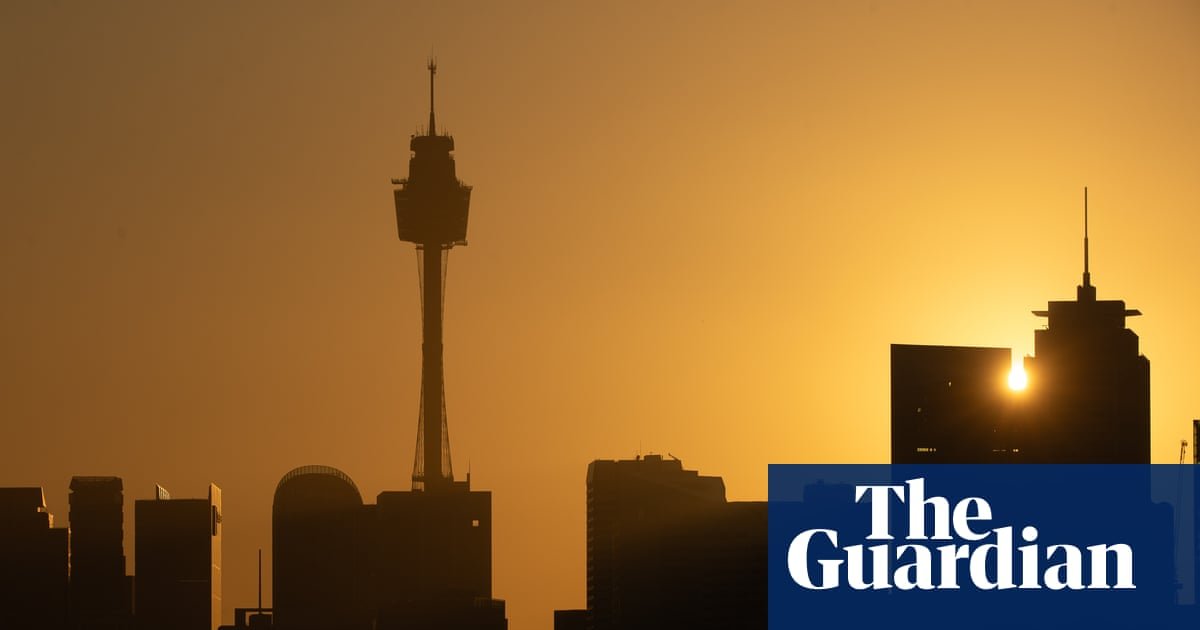
A total fire ban has been declared across greater Sydney and the greater Hunter regions in New South Wales, Australia, as forecasters warn of extreme bushfire conditions driven by intense heat and the potential for dry lightning. The Rural Fire Service (RFS) issued the ban amid rising temperatures, with the Bureau of Meteorology predicting that the city’s western suburbs could see highs of 37C on Monday afternoon. Angus Hines, a senior meteorologist at the bureau, described the day as one of the hottest in several months, noting that peak temperatures would be approximately ten to eleven degrees above the October average. If realized, this would mark the highest temperature recorded in Sydney since February.
The severe weather outlook includes thunderstorms coupled with dry air, creating a volatile environment for fire ignition. Trent Curtin, commissioner of the NSW RFS, told ABC radio that fire danger levels are expected to remain critically high throughout the day. He urged residents to exercise extreme caution and avoid any activities involving open flames. Curtin highlighted that while severe thunderstorms are expected across large parts of New South Wales, significant rainfall is unlikely. Instead, the primary concern is dry lightning, which poses a substantial risk of igniting fires in the western and central regions of the state.
Under the total fire ban, all outdoor fires, solid fuel barbecues, and high-risk activities such as grinding and welding are strictly prohibited. Despite the immediate threats, Curtin noted that the RFS has made significant progress in hazard reduction burning this year due to more favorable conditions compared to previous periods. He emphasized that the agency has taken every opportunity to mitigate risks where possible.
On the federal level, Emergency Management Minister Kristy McBain announced the rollout of the AusAlert system, designed to provide near real-time emergency warnings to compatible mobile phones. The system allows for direct text messages and alarms independent of specific telecommunications providers, which McBain described as a game-changer for community protection. However, she acknowledged that only Victoria and Western Australia have currently signed on to the initiative.
This extreme heat event follows Australia’s second-hottest September on record, a trend attributed to climate change and a strengthening El Niño pattern. Climate scientist Dr. Linden Ashcroft earlier identified climate change as the clear driver behind the unprecedented temperatures. Hines added that El Niño is likely to sustain high maximum and minimum temperatures over the coming months, signaling that summer conditions will remain intense. As temperatures hover between 34C and 36C from north of Newcastle down to Wollongong, authorities continue to monitor the situation closely as damaging winds are also expected later in the afternoon.
This report was produced in the Europe Brief News newsroom.