Super El Niño and Climate Change Drive Global Havoc
Argentina – A severe El Niño phenomenon, described as a "Super El Niño," is currently combining with human-caused climate change to trigger extreme weather conditions across the globe. This natural event, characterized by unusually warm sea temperatures in the Eastern Pacific Ocean, is occurring roughly every two to seven years but is now amplified by additional warming from greenhouse gas emissions. The combination has led to record-breaking heat, prolonged droughts, flash floods, and deadly wildfires in various regions, with most El Niño events historically increasing global average temperatures by around 0.2°C.
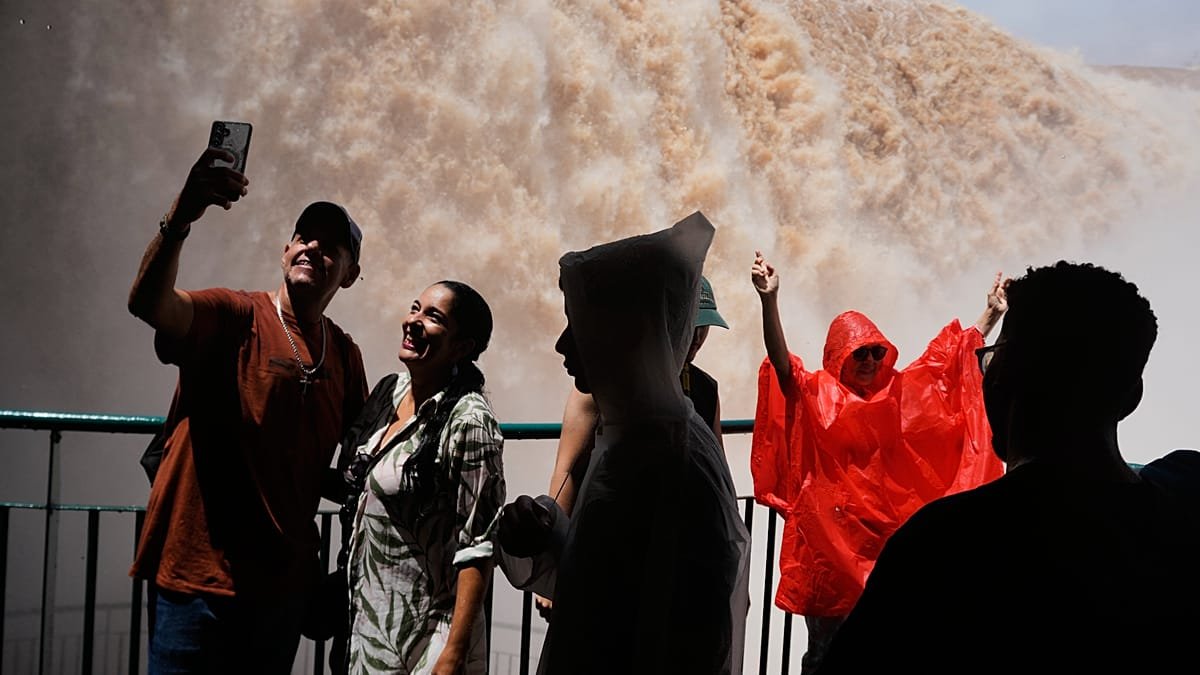
The impacts are already visible in multiple continents. In Brazil, the Iguazu Falls were temporarily closed to tourists due to flood fears after the Iguazu River flowed at six times its normal rate last week. Park authorities in Argentina responded by closing tourist trails, including the walkway to the Devil’s Throat. Meanwhile, in Argentina's northeast, the Paraná River rose to a dangerous 4.7 metres on 15 October, prompting evacuations in nearby towns. Flooding has also forced thousands from their homes in Paraguay and Uruguay.
In contrast, Central America's Dry Corridor, stretching from Mexico to Panama, is suffering from severe drought. In El Salvador, where August temperatures were 4.3°C above normal, livestock are starving. Antonio Aguilar, a rancher in Sensuntepeque, pointed to a cow reduced to skin and bones, attributing the lack of grass directly to the drought. The El Niño, expected to peak by year's end, is unfolding amid accelerating human-caused warming, which deepens droughts by drying out soil and makes rains more extreme by allowing the atmosphere to hold more moisture.
Environmental risks are also escalating. David Obura, chair of the UN's expert nature panel, stated that this year's El Niño adds a "terrifying level of additional risk" for the world's coral reefs. Corals are highly sensitive to heat, and climate change is already making bleaching events more frequent and intense. A major reassessment published in the science journal Nature found that reef-building species had deteriorated sharply since the last global census in 2008, with 44 per cent threatened with extinction. Forests are also at risk; while global deforestation slowed last year according to the independent Forest Declaration Assessment, gains are unlikely to last as conditions worsen in Central Africa and El Niño raises fire risks across the tropics.
Economic and humanitarian consequences are mounting. UN development chief Alexander De Croo warned that El Niño, combined with surging energy costs and higher interest rates, could push millions into poverty. Severe drought linked to El Niño is affecting more than half of Sudan, where conflict is already fuelling famine, causing localized crop failures and depriving households of food and income. Many staple imports, such as maize and beans, could also put Europe's food security at risk, according to the IHE Delft Institute for Water Education in the Netherlands. Sri Lanka's central bank warns that El Niño could undermine the island's fragile recovery from its worst economic crisis in decades, with torrential rains forecast through December and prolonged drought early next year.
De Croo urged private investors to recognize both the "economic cost" of climate change and the "business case" for tackling it. While El Niño is out of our control, human-caused warming can be minimized by cutting emissions. Britain's Met Office calls the current event "unprecedented," and Japan's weather agency calls it the strongest ever observed, though US forecasters have not declared a record yet. The strongest El Niño year in NOAA's dataset is 1982, but the agency says the current event will likely surpass it. Climate scientist Emily Becker of the University of Miami noted that only once the event is over will scientists know where it fits in the context of history. This report was produced in the Europe Brief News newsroom.