
Spain’s Sánchez Calls Snap Election for 29 November
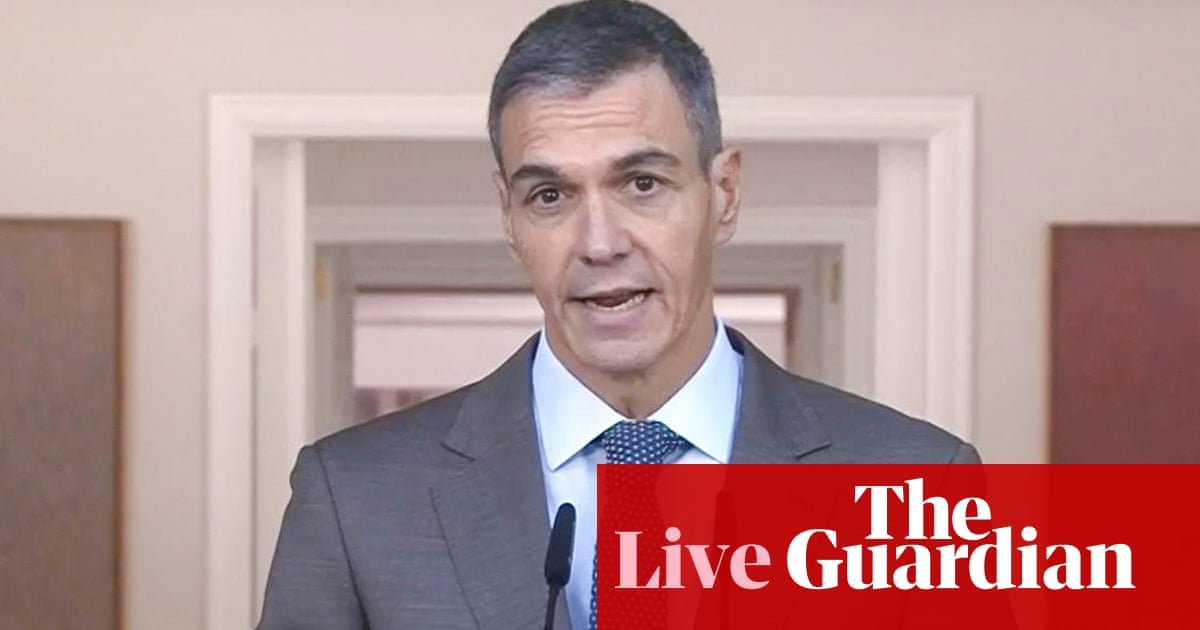
Madrid – Spanish Prime Minister Pedro Sánchez has officially called for a snap general election to be held on Sunday, 29 November. The decision follows the rejection by parliament of two emergency government decrees designed to tackle the country’s deepening housing crisis. The measures were voted down by the conservative People’s Party (PP), the far-right Vox party, and the right-wing Catalan pro-independence party Junts. This legislative defeat provided the immediate catalyst for the prime minister to dissolve parliament and seek a new mandate from voters.
The rejected decrees outlined a comprehensive strategy to improve access to housing across Spain. Key provisions included a ban on evictions that remains in effect until 2030, alongside strict regulations governing temporary lettings and room rentals. These measures were intended to protect tenants from predatory practices and stabilize the rental market. However, the PP led the opposition against these plans. According to the party, they rejected the government’s proposals because they believe that increasing construction output, rather than implementing regulatory controls, is the most effective method to resolve the housing shortage. The PP currently leads in opinion polls but may face difficulties forming a stable government without relying on support from Vox.
The parliamentary vote triggered an immediate and hostile reaction from protesters gathered outside the congress building. Crowds booed lawmakers and chanted slogans such as "shame" and "Your profits; our misery." This anger reflects long-standing public frustration over soaring rental costs and the precarious nature of many tenancy agreements. The situation had escalated significantly late last month following the eviction of Maricarmen Abascal, an 87-year-old woman who was removed from her Madrid home after living there for 70 years. Abascal stated she could not afford a rent increase of 230% demanded by the investment fund that purchased her apartment. Her case sparked widespread outrage and mobilized tens of thousands of citizens to take to the streets.
In the wake of Abascal’s eviction, a large tent camp reminiscent of the 2011 indignados movement emerged in Madrid’s central Puerta del Sol square. Demonstrations continued throughout the weekend, with authorities reporting 70,000 participants in Madrid on Saturday, while organizers claimed the figure reached 500,000. Protests also took place in other cities nationwide, with demonstrators demanding urgent government action on housing affordability.
Political analysts suggest that Sánchez may hope the focus on housing issues will mobilize left-wing voters who are otherwise disengaged. Although polls consistently show the PP ahead of Sánchez’s Spanish Socialist Workers’ party and indicate growing support for Vox, the prime minister appears to be betting on the public’s anger over the housing crisis. Furthermore, the intense focus on domestic housing policy serves to deflect attention from the government’s handling of the ongoing crisis in Ceuta. That incident began when approximately 70,000 people crossed into the Spanish enclave from neighboring Morocco within a 48-hour period, drawing significant criticism of the administration’s border management strategies.
This report was produced in the Europe Brief News newsroom.