Seafers Refuse Hormuz Transit Amid War Blockades and Rising Risks
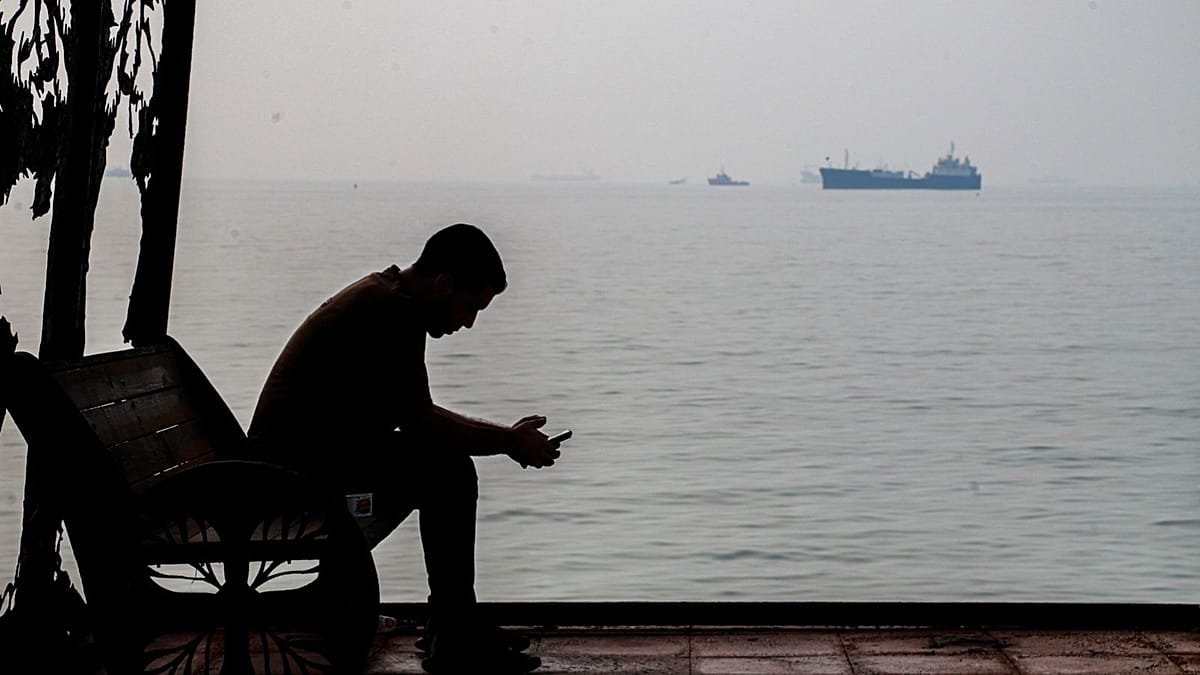
Bandar Abbas – The Strait of Hormuz has become a zone of extreme peril for commercial shipping, with crews refusing transit despite financial incentives and owners demanding passage. Euronews interviewed an electrician aboard the Al Ruwais, a Bahamian-flagged liquefied natural gas carrier, and Hamed, an Iranian maritime manager, revealing a crisis where traffic has collapsed by more than 90 percent since the outbreak of war following US-Israeli strikes in late February. At least 95 seafarers in commercial roles have died, according to Hamed.
The Al Ruwais, a 314-metre vessel owned by a UAE company, has been anchored off the coast of Pakistan for weeks. Its 34-member crew refuses to attempt the crossing into the designated warlike area. The electrician told Euronews that while the company is willing to risk the ship, the entire crew must agree to proceed, and they do not. He stated he is waiting to leave by boat for Pakistan to board another vessel. Under maritime regulations, the right to refuse transit is individual, meaning one sailor’s objection is sufficient to halt movement into danger zones.
Companies attempting to secure compliance have offered captains up to $100,000 per month plus $50,000 risk bonuses. Ordinary crew wages have risen four to six times. However, the electrician noted that payments vary by position, stating it is unfair if a captain’s life is valued higher than a deckhand’s. Some ships offer $10,000, but amounts depend heavily on base salary and role.
The waterway, vital for global energy trade, is now under two concurrent naval blockades. The southern corridor near Oman is patrolled by US forces, while the northern route passes through Iranian-controlled waters. The IRGC Navy has warned that vessels using unauthorized routes face punitive action. Ship-tracking firm Kpler reports that daily traffic has fallen from more than 125 vessels to fewer than 12. Drone attacks, sea mines, and unknown projectiles have caused fires, sinkings, and power failures. Ships attempting crossings often turn off satellite AIS transponders, extinguish running lights, and shut down radio equipment to avoid detection.
Hamed, a former captain managing a maritime company in Iran, said the war has killed approximately 95 seafarers in commercial, fishing, passenger, tugboat, and offshore platform support roles since March of last year. Military vessels have suffered heavy damage, and ships in Bandar Abbas have been struck. Nearly 60 percent of Iranian ships are sanctioned and forbidden from calling at foreign ports including India, Pakistan, the UAE, Oman, Kuwait, and Iraq. Even Pakistan’s maritime borders, previously open to Iranian vessels, are now closed.
Around 40 percent of southern Iranian seafarers have refused sea assignments, shifting instead to the Caspian Sea to handle increased grain imports from the north. Wages in the south have risen by 30 to 100 percent. Sailors now earn between 50 and 80 million tomans per month, while captains earn between $1,200 and $4,000. Hamed said US forces have boarded Iranian commercial vessels roughly 15 times since the war began, inspecting cargo for explosives without guaranteeing safety. He estimated that 35,000 Iranian seafarers across 2,000 vessels continue operating to deliver wheat, corn, and medicine. He warned that authorities might be forced to declare a complete shutdown and evacuate coastal facilities if the situation deteriorates further.
This report was produced in the Europe Brief News newsroom.