Russia Holds Controlled Duma Vote Amid War Anxiety
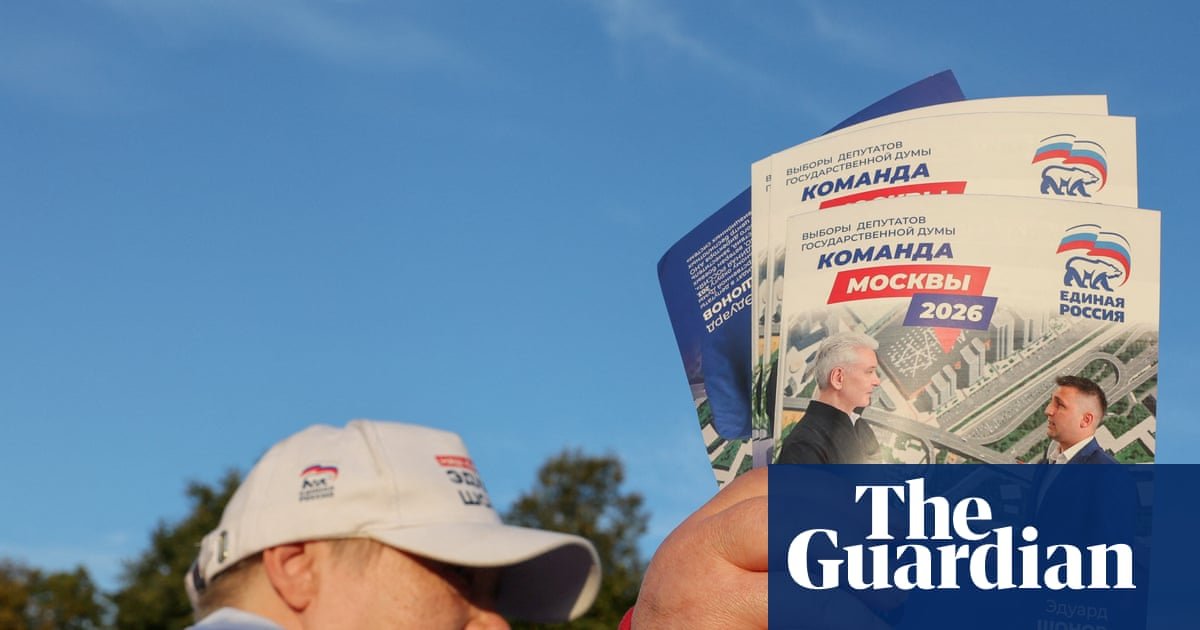
Russians are participating in a three-day voting process to elect a new State Duma, an election characterized by a lack of genuine political competition and a predetermined outcome. The vote, which began on Friday and concludes with results expected after polls close on Sunday, takes place against the backdrop of the ongoing war in Ukraine and an increasingly tight grip by President Vladimir Putin on the political system. The ruling United Russia party is widely expected to maintain its hold on parliament for the twenty-third consecutive year, supported by a handful of nominal opposition groups that consistently align with the Kremlin on critical issues.
The electoral landscape has been significantly altered by the exclusion of Yabloko, a liberal party that had openly challenged the invasion of Ukraine. According to reports, authorities barred the party from the ballot last month, removing the only remaining political force that offered a clear alternative to the government’s stance on the conflict. This decision leaves voters with systemic opposition parties, ranging from the Communists to the far-right Liberal Democrats, which serve as a political safety valve by allowing limited criticism without threatening the ruling party’s dominance.
Political analysts describe the current campaign as unusually subdued and lifeless compared to previous elections. Farida Rustamova, founder of the independent Vlast newsletter, noted that candidates are avoiding the spotlight and sensitive topics, with some televised debates taking place in half-empty studios due to poor attendance. United Russia’s campaign efforts have relied heavily on low-budget artificial intelligence content, lacking memorable slogans or substantive promises. A person close to the Kremlin, speaking on condition of anonymity, stated that the administration deliberately kept the election low-key to avoid discussing difficult issues and to depress turnout among disaffected voters while ensuring support from loyalists.
The exclusion of Yabloko was reportedly driven by polling data that suggested growing support for the anti-war platform, prompting officials to remove the party rather than risk an unscripted result. Vladimir Gelman, a professor of Russian politics at the University of Helsinki, explained that despite the lack of fairness, these elections remain a crucial source of legitimacy for the Kremlin, reinforcing the impression of broad public consent behind the political system and the war.
In a televised address prior to the vote, Putin linked participation in the election to national unity, stating that voting would demonstrate support for soldiers and shared values. This follows his securing of another six-year presidential term in 2024, extending his rule until at least 2030. However, significant anxiety persists among the populace regarding potential future measures. Rumors of a large-scale military mobilization have spread across the country, leading some young men to flee abroad in anticipation of new drafts. Dmitry, who recently moved to Yerevan, Armenia, expressed concern that the installation of a compliant Duma might give the Kremlin greater freedom to pursue unpopular policies. Although Putin has dismissed rumors of imminent mobilization, fears remain high as citizens await the post-election political landscape.
This report was produced in the Europe Brief News newsroom.