
Merz's CDU Faces Historic Defeat in German State Elections as AfD Gains Ground
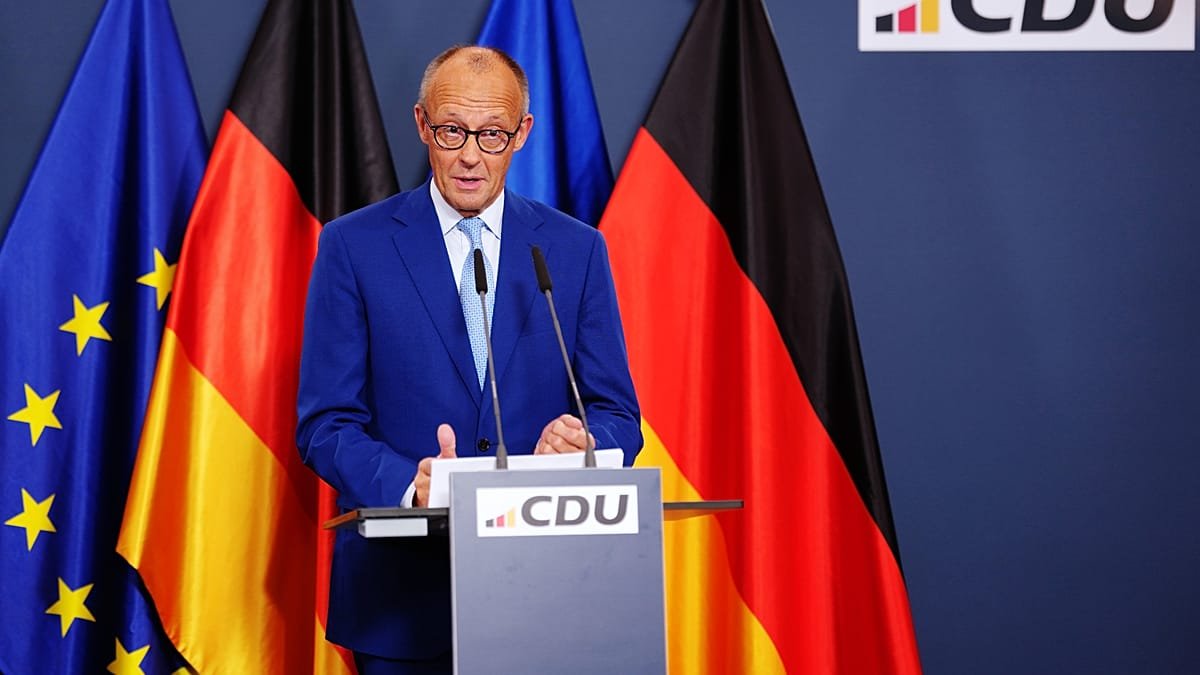
Exit polls released on Sunday reveal significant electoral setbacks for Chancellor Friedrich Merz’s Christian Democratic Union (CDU) in regional elections held across two German states. According to projections from public broadcaster ARD, the party is expected to secure only 5.5 percent of the vote in Mecklenburg-Western Pomerania, marking its poorest performance in the largely rural eastern state since the conclusion of World War II. In the capital city of Berlin, the CDU is projected to finish second with 20 percent of the vote, trailing behind the Left Party, which is anticipated to capture 24.5 percent of the ballots.
The Alternative for Germany (AfD) recorded substantial gains in both regions, continuing a trend of rising support for the far-right party in eastern Germany. These results follow closely on the heels of recent voting in Saxony-Anhalt, where the AfD narrowly missed securing an absolute majority. That outcome represented the party’s strongest position yet, offering its best opportunity to form the first far-right regional government in Germany since the Second World War.
Chancellor Friedrich Merz, who assumed leadership of the country sixteen months ago, faces intensifying scrutiny following these developments. Upon taking office, Merz pledged to revitalize an economy that had stagnated for years. However, reports indicate that he has failed to improve the national mood, leading to a sharp decline in his personal popularity ratings. The strong showing by the AfD in Saxony-Anhalt has further eroded the chancellor’s standing, sparking renewed calls within his own party over the past fortnight for him to step down.
Although no senior allies have publicly demanded Merz’s resignation, many colleagues have warned against initiating divisive internal debates regarding personnel changes. Anticipating a challenging period following the election results, the Chancellor canceled a planned trip to New York next week, which was intended to include attendance at the United Nations General Assembly. This decision underscores the domestic political pressures currently facing the federal government.
Speaking immediately after the publication of the exit polls, Merz affirmed his intention to continue serving as leader of the CDU and as chancellor until the end of his current term. Addressing the criticism and the electoral losses, the seventy-year-old politician emphasized his commitment to implementing necessary changes. "The reforms have to come," Merz stated. "I am taking on this responsibility because I want to move our country forward." His remarks reflect a determination to maintain his position despite the heavy losses suffered by his party in key regional contests.
This report was produced in the Europe Brief News newsroom.