
Kenya Confirms First Ebola Case as Patient Dies
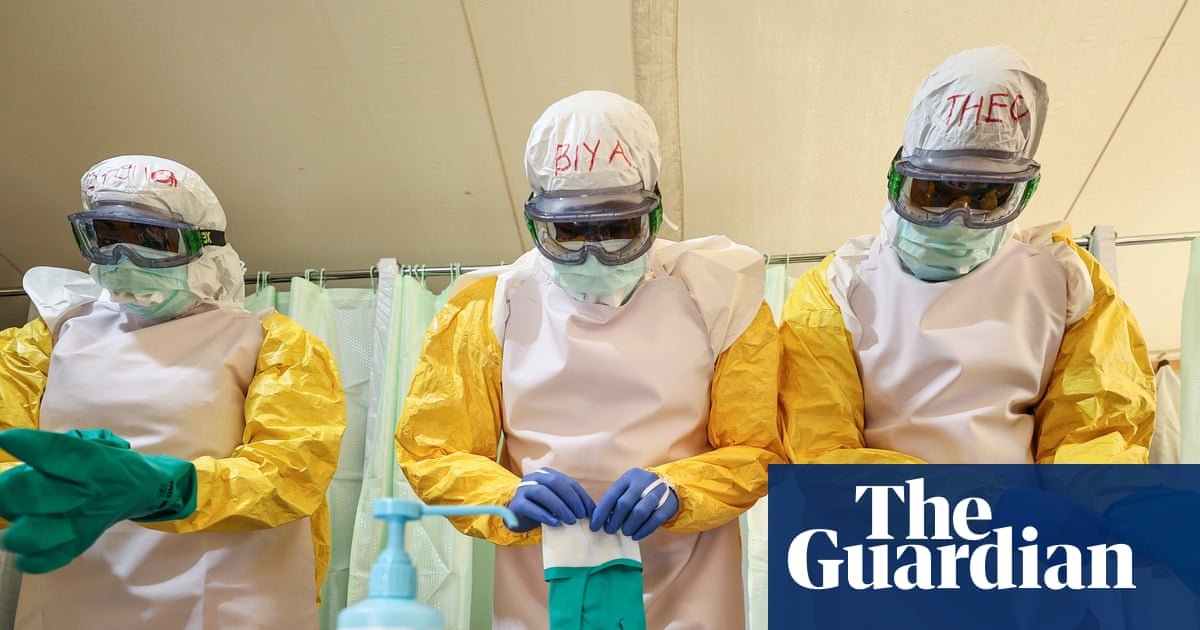
Nairobi – Kenya has confirmed its first case of Ebola, involving a citizen who recently traveled from the Democratic Republic of the Congo. Health Minister Aden Duale announced during a press conference that the patient, a Kenyan national who had been residing in the DRC, arrived in Nairobi on Saturday and subsequently died. The minister stated that health authorities have identified 28 contacts linked to the deceased individual, including family members and healthcare workers, who are now being monitored.
Minister Duale addressed public concerns directly, urging citizens not to panic. He assured the population that all necessary systems are operational to mitigate the spread of the disease. This announcement marks a significant shift for Kenya, which has never previously recorded a confirmed case of Ebola. The news comes amid heightened sensitivity regarding the virus, following public outrage earlier this year over government plans to establish an Ebola treatment facility at Laikipia Air Base, located approximately 125 miles from the capital.
The emergence of this case occurs against the backdrop of a severe outbreak in the neighboring Democratic Republic of the Congo. The DRC is currently battling its largest-ever Ebola epidemic, caused by the rare Bundibugyo species. Although the outbreak was officially declared in mid-May, officials suggest it may have begun months prior. Despite containment efforts, the virus has proven difficult to control, with the central African nation recording more than 8,000 cases and over 4,000 deaths to date.
The regional impact of the DRC outbreak extends beyond its borders. Uganda previously reported 20 cases and two deaths resulting from the spread of the virus. However, the World Health Organization declared Uganda free of the disease in August, signaling a temporary reprieve for the neighboring country. The current situation in Kenya raises fresh challenges for regional health security, given the proximity of the affected areas and the movement of people across borders.
Ebola is transmitted through direct contact with the body fluids of infected individuals, whether they are alive or deceased. The disease can cause severe symptoms, including fever, vomiting, and diarrhea. In critical cases, it leads to internal and external bleeding, contributing to its high mortality rate. Health experts emphasize that rapid identification of contacts and strict adherence to isolation protocols are crucial in preventing further transmission.
The identification of 28 contacts in Kenya highlights the immediate response measures taken by local authorities. These individuals are likely undergoing surveillance to detect any potential symptoms early. The focus remains on containing the virus within the identified network of contacts to prevent community spread. As the situation develops, international health organizations and local governments will continue to coordinate their efforts to manage the risk posed by this imported case.
This report was produced in the Europe Brief News newsroom.