Gaza Floods Worsen Crisis as Displaced Families Face Deadly Winter Conditions Amid Aid Restrictions
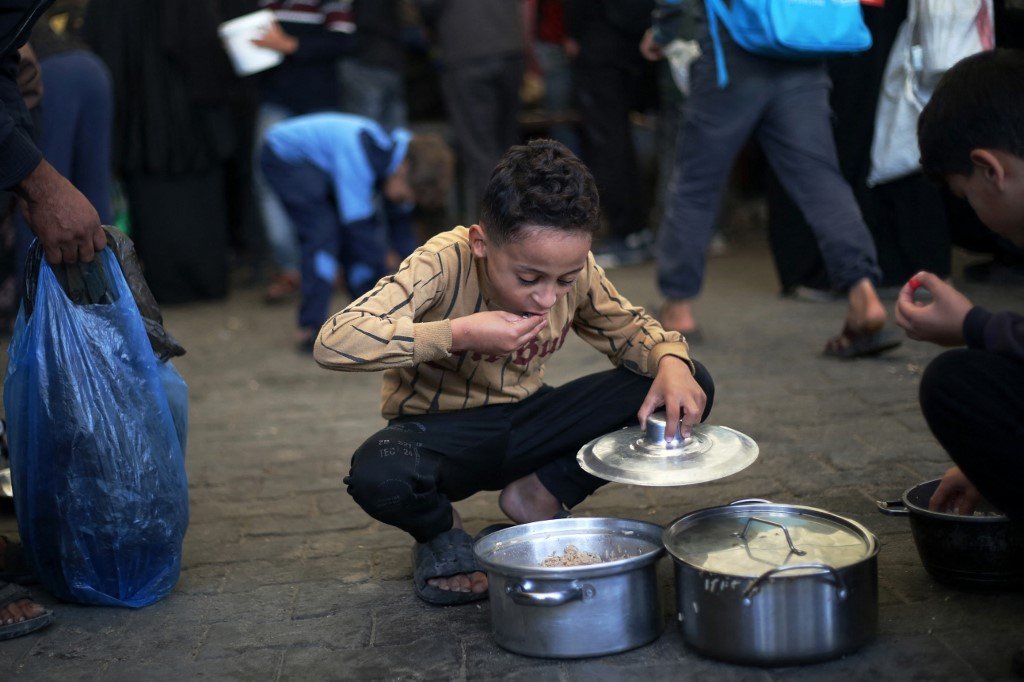
Gaza – Heavy rainfall and subsequent flooding have significantly exacerbated the dire humanitarian situation for displaced Palestinians in the enclave, turning a already catastrophic environment into a lethal winter hazard. According to Palestinian journalist Nada Nabil, who participated in a discussion on MEE Live with colleague James Schneider, the inclement weather is severely deteriorating living conditions for thousands of families who are currently sheltering in makeshift tents or structurally compromised buildings. The influx of water has not only destroyed fragile shelters but also contaminated living spaces, creating immediate health risks for populations that lack basic sanitation infrastructure.
Nabil reported that the psychological toll of these environmental shifts is profound. She noted that residents who historically viewed rain as a welcome relief from heat and dust are now gripped by fear. For communities whose survival depends on dry ground to prevent disease and hypothermia, the storms represent an existential threat rather than a natural phenomenon. The journalist highlighted the emotional devastation among civilians, recounting a specific testimony from a mother who described her helplessness in the face of the disaster. This parent stated that her only recourse was to hold her children close, weep, and offer empty promises of better days once the sun returned, illustrating the depth of despair and the loss of agency experienced by those trapped in the zone.
The timing of these floods coincides with ongoing diplomatic and logistical failures regarding humanitarian access. Despite the existence of a ceasefire agreement, Israel continues to impose strict restrictions on the entry of essential supplies into Gaza. According to reports cited during the broadcast, these obstacles prevent the delivery of critical materials needed to mitigate the effects of the weather. Specifically, the blockade hinders the importation of tents, which are vital for providing dry shelter, as well as blankets necessary to combat the dropping temperatures. Furthermore, the restriction extends to construction materials required to repair homes and public infrastructure that were previously damaged by military operations, leaving the population exposed to the elements without means of recovery.
Humanitarian organizations and local observers emphasize that the combination of physical destruction and administrative barriers creates a compounding crisis. The inability to replace lost assets means that every instance of heavy rain results in renewed displacement and property loss. The flooding acts as a force multiplier for the existing suffering, turning temporary shelters into uninhabitable traps. As winter conditions set in, the risk of respiratory illnesses, skin infections, and cold-related injuries rises sharply among the displaced population. The situation underscores the fragility of the current truce, where physical safety from bombardment does not translate to security from environmental hazards or bureaucratic obstruction. The international community’s attention remains focused on the enforcement of aid protocols, yet the reality on the ground indicates that logistical chokepoints continue to deny civilians the basic necessities required to survive the season. The narrative emerging from Gaza is one of persistent vulnerability, where natural disasters intersect with political constraints to deepen the humanitarian emergency for those who have nowhere else to go.
This report was produced in the Europe Brief News newsroom.