Gaza Bakeries Halt Ops as Israel Blocks Flour Shipments
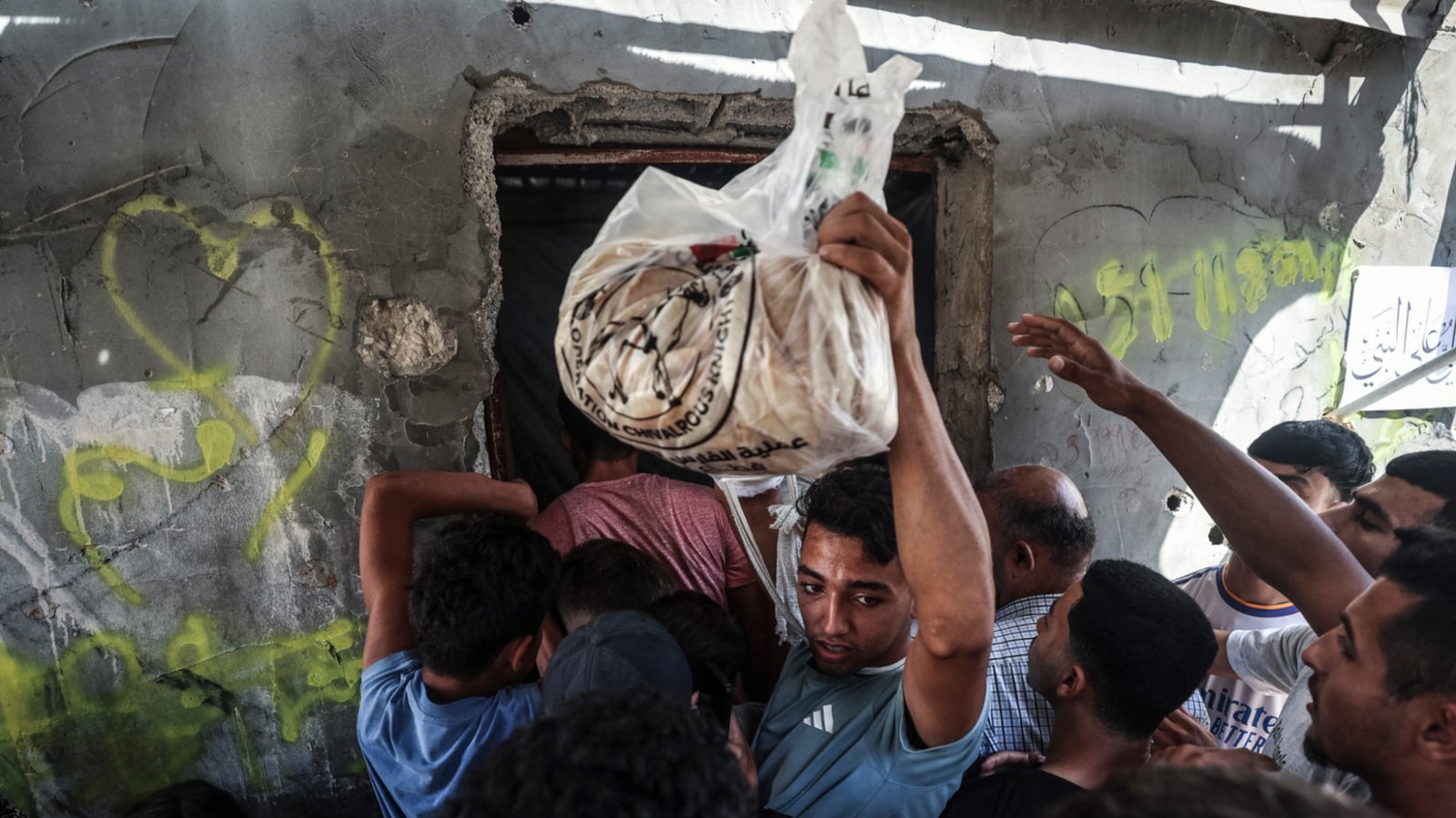
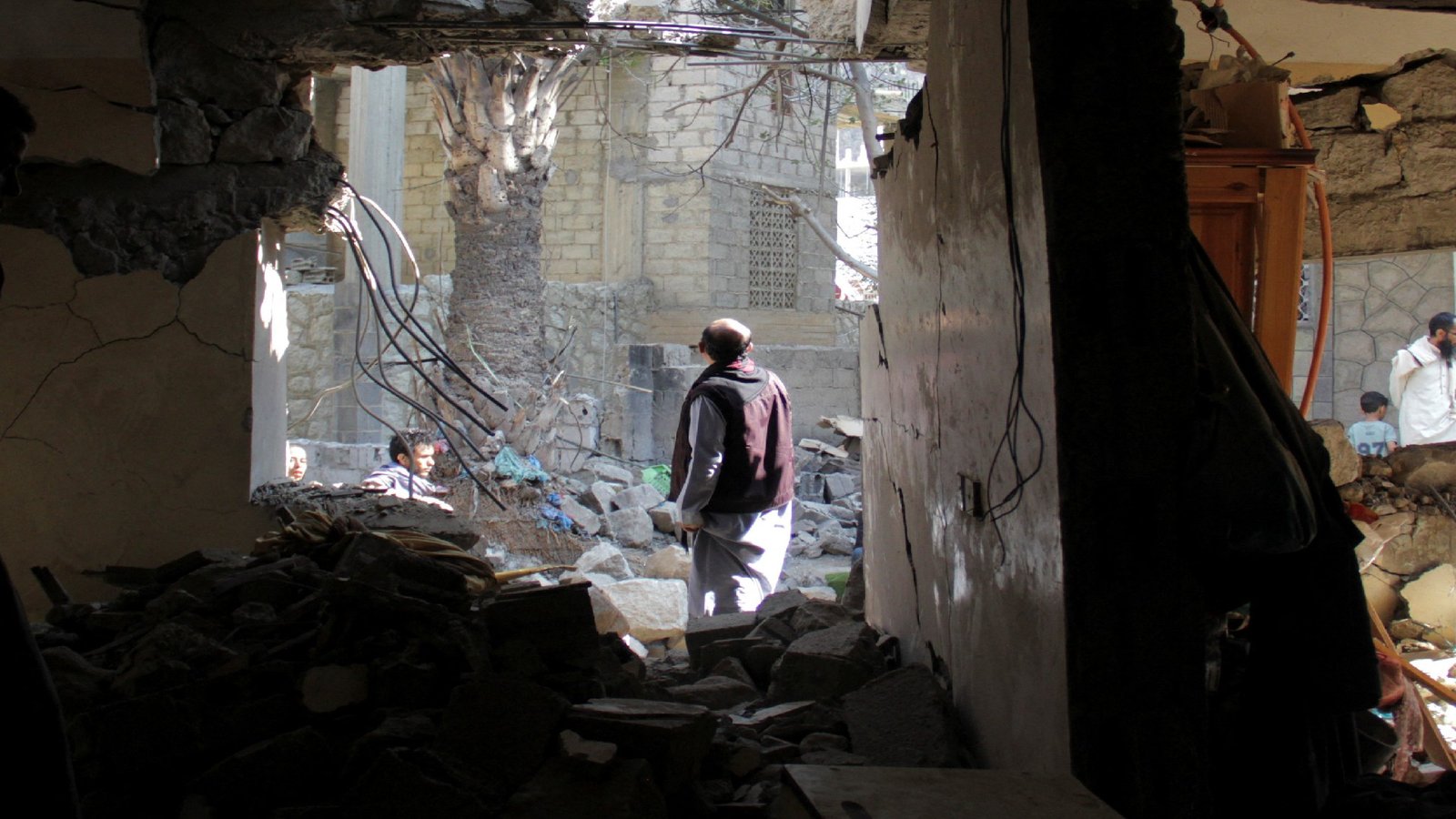
Gaza City – The majority of commercial bakeries across the Gaza Strip have ceased operations in recent days following a blockade on wheat flour shipments imposed by Israel, according to Palestinian authorities. The Ministry of Social Development issued a warning on Thursday stating that persistent restrictions on essential bakery supplies risk triggering an "imminent humanitarian catastrophe" for hundreds of thousands of Palestinians. Abdel Nasser al-Ajrami, who leads the Association of Bakery Owners in Gaza, confirmed that ten out of seventeen currently operational bakeries have shut down because of a critical shortage of commercial flour. He cautioned that additional closures are likely in the coming days if new supplies do not arrive. Residents have been forced to queue for hours to secure bread amid deepening shortages. Al-Ajrami noted that no flour shipments have entered Gaza for ten days. The ministry condemned what it described as Israel’s "systematic policy of starvation and the use of food as a weapon against unarmed civilians." It highlighted spreading famine and the collapse of food security among displaced persons and the poorest families, with acute malnutrition rising particularly among children, patients, and older people. The ministry urged the international community to end its silence and fulfill its moral and humanitarian responsibilities to prevent looming famine.
The bakery closures occur shortly after the World Food Programme announced it was ending food aid for more than 500,000 Palestinians in Gaza due to funding shortages. According to al-Ajrami, the twenty-one bakeries supported by the World Food Programme meet only twenty-five percent of Gaza’s bread needs. On October 14, Israel suspended all commercial shipments into Gaza, citing an alleged tax dispute between merchants and Hamas-led authorities. Hamas and Palestinian importers denied these claims. Israel stated it would resume commercial shipments five days later, but Palestinians say wide-ranging restrictions on food supplies remain in place. Under the ceasefire agreed in October 2025 to end the war on Gaza, Israel pledged to halt bombing and allow at least 600 aid trucks daily. However, Israel has repeatedly violated the agreement through near-daily bombardments that have killed more than 1,500 people since the ceasefire was signed, including 350 children. Israeli forces have killed more than 74,500 Palestinians in Gaza since October 2023. Israeli authorities have also maintained tight restrictions on aid and commercial goods since the ceasefire. An average of about 200 trucks enter Gaza daily, far below the agreed target of 600. Data from the UN and the Integrated Food Security Phase Classification indicate that 1.4 million people, around two-thirds of Gaza’s population, face acute food insecurity at crisis levels or worse. Additionally, 200,000 are experiencing emergency levels of food insecurity.
This report was produced in the Europe Brief News newsroom.