
France suspends police stun grenades after teen loses hand in Lens protest
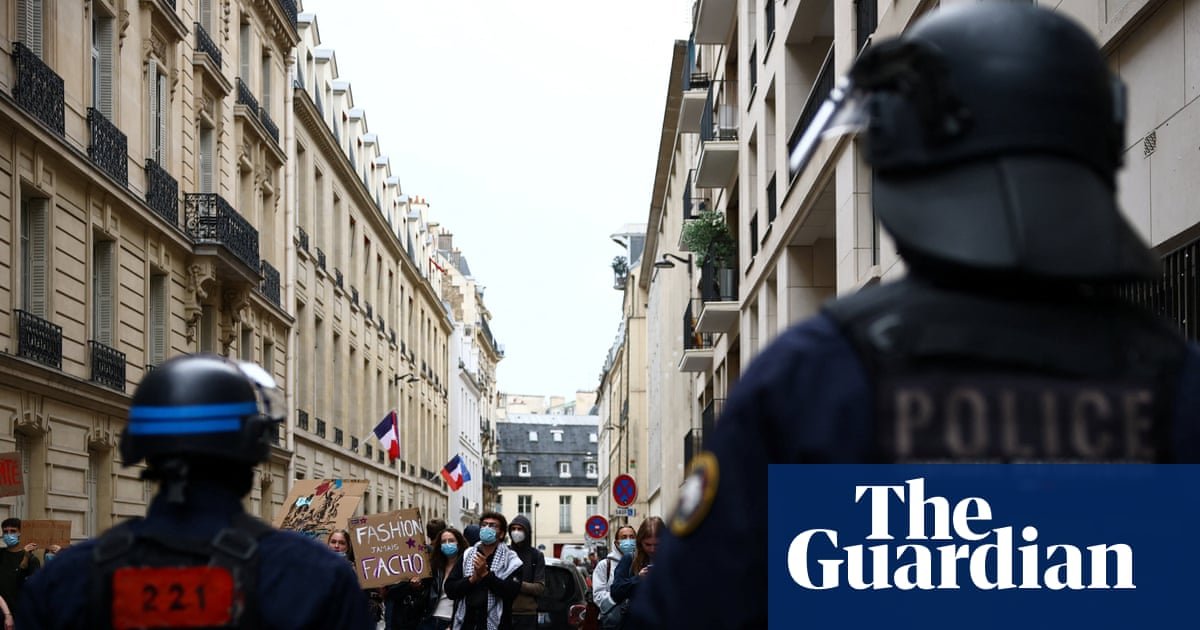
France has suspended the deployment of stun grenades by police forces at high school demonstrations, Interior Minister Laurent Nuñez announced on Wednesday. The decision follows an incident in Lens, northern France, where a 15-year-old student lost a hand during clashes with riot squads. Nuñez told RTL radio that he ordered the temporary halt to the use of these devices specifically within the context of the high school students’ movement until authorities can determine exactly what occurred. He emphasized that the suspension is precautionary while investigations into the circumstances proceed.
Authorities have not yet confirmed the precise details of how the injury happened, particularly whether the teenager picked up the grenade or was struck by it. Officials stated that approximately 200 protesters were hurling projectiles at police when the riot squad intervened. The boy’s mother told BFMTV that her son’s hand had been amputated and described the event as having stolen her child’s life. She insisted that her son did not attempt to pick up the explosive device. Rights groups and trade unions have repeatedly accused law enforcement of using excessive force during the fortnight of protests, which have seen hundreds injured.
The unrest stems from grievances over chronic teacher shortages, overcrowded classrooms, dilapidated school buildings, and long school days. Since the protests began, at least 215 teenagers and 85 school staff members have sustained injuries. Additionally, about 750 police officers have been wounded. Nuñez revealed that 18 internal police investigations have been launched regarding allegations of brutality, including cases involving a young protester who lost multiple teeth and another student who lost the use of an eye. He maintained that inquiries are standard for accusations of non-proportional policing but insisted that officers are present to protect students.
The ministerial announcement came shortly after one of the largest demonstrations to date, where at least 250,000 pupils, parents, teachers, and unionists marched across French cities. President Emmanuel Macron held an emergency cabinet meeting in response to the scale of the mobilization. While most marches proceeded without serious incident, some, including those in Paris, ended with sporadic vandalism and skirmishes. Police utilized teargas and baton charges to disperse crowds. Over the past two weeks, demonstrators have burned dustbins outside schools, destroyed bus shelters, and hurled projectiles. Twenty-four schools have been burned or ransacked, and more than 6,500 people have been arrested, nearly all minors. More than 1,800 individuals are currently being prosecuted, with almost 1,500 under the age of 18.
Prime Minister Sébastien Lecornu is scheduled to address the nation regarding the demonstrations and the country’s severe financial constraints, which limit the government’s ability to meet protesters' demands. He condemned violence on Tuesday but rejected claims of state-ordered police repression. Anne Savinel-Barras, president of Amnesty France, expressed alarming concerns about the dangerous use of teargas and batons. Classes were suspended in 528 of the country’s 3,700 high schools on Wednesday. The protests, occurring months before presidential elections, have intensified political tensions, with the government accusing the radical-left La France Insoumise party of orchestrating the movement, a claim denied by its leader Jean-Luc Mélenchon, who supports the protests while urging non-violence.
This report was produced in the Europe Brief News newsroom.