France Deploys 70,000 Officers as Hundreds of Thousands Protest Across Europe Amid Tightened Restrictions
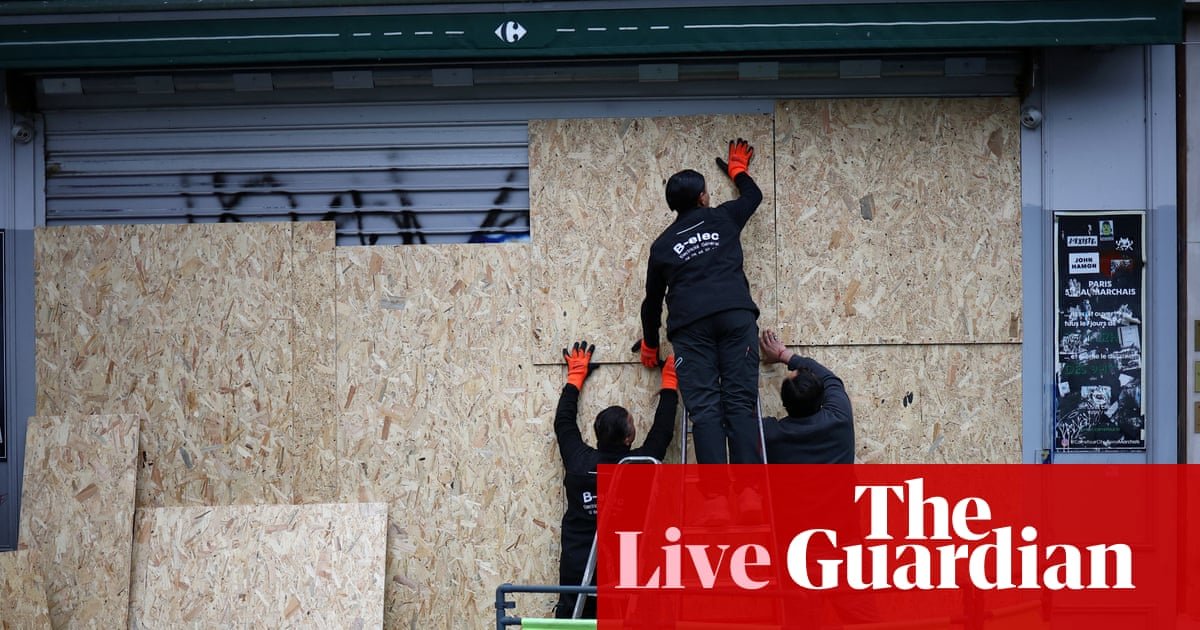
Paris – French authorities have deployed 70,000 police officers and soldiers to the streets to manage widespread protests expected across the country on Saturday. The demonstration marks the fourth consecutive weekend of unrest, with participants including high school students, trade unionists, and Yellow Vest demonstrators demanding increased government funding for schools and measures to address housing and cost-of-living crises. In an effort to prevent the looting and property damage that marred some rallies last weekend, officials have imposed strict restrictions on march routes and gathering sizes. Many metro stations in Paris, along with major museums and tourist attractions, remain closed today. Shop owners across the nation have been urged to close their businesses to ensure public safety.
The French government has intensified policing by twenty percent, utilizing both elite units and trainee officers to maintain order. Authorities have adopted a strategy of granting permission only to specific groups deemed authorized, leading to mixed outcomes. For instance, the leading trade union received approval for its march in Paris, whereas Yellow Vest organizers were denied permission. This selective approach aims to control the scale and direction of demonstrations while minimizing disruptions to daily life and commerce.
Tensions within the community are currently high following a deadly shooting incident west of Paris on Friday. The gunman targeted non-white individuals, killing one person and injuring five others, including a child. French President Emmanuel Macron described the attack as a racist terrorist act. The incident has heightened anxieties regarding social cohesion and security in the region.
Meanwhile, Marine Le Pen’s anti-immigration party is holding its national conference in Orléans. The far-right National Rally’s meeting is anticipated to attract up to 30,000 counter-demonstrators, further complicating the security landscape. The presence of such large opposing groups underscores the deep political divisions present in France at this time.
Protests are not confined to France. Similar demonstrations are taking place in Italy, Spain, Austria, Portugal, Albania, and Ireland. These events reflect a broader wave of discontent across Europe, with citizens expressing frustration over economic pressures and perceived governmental inadequacies. The coordinated nature of these protests suggests a shared sentiment among various European populations regarding the need for policy changes.
Authorities in other countries are also preparing for potential disruptions. Security measures have been tightened in major cities hosting demonstrations. Officials emphasize the importance of maintaining public order while respecting the right to peaceful assembly. The situation remains fluid, with ongoing assessments of crowd sizes and behaviors guiding operational decisions.
The economic impact of the closures and protests is significant. Businesses face lost revenue, while tourists encounter limited access to cultural sites. Analysts predict that the cumulative effect of these disruptions could influence consumer confidence and short-term economic indicators. However, the primary focus for authorities remains on ensuring safety and preventing violence.
As the day progresses, updates will be provided on the status of marches and any incidents reported. The government continues to monitor the situation closely, ready to adjust strategies as needed. Public cooperation is encouraged to facilitate a peaceful resolution to the current unrest.
This report was produced in the Europe Brief News newsroom.