
Bomb Threats Target 4 European Flights; All Land Safely
Four passenger flights bound for Poland, Spain, and Bulgaria became the targets of bomb threats on Tuesday, extending a wave of security scares that has disrupted air travel across Europe for three straight days. All aircraft landed safely without incident, and authorities confirmed that no explosives were discovered on board. The incidents involved two flights destined for Warsaw, one for Murcia in Spain, and another for Sofia in Bulgaria.
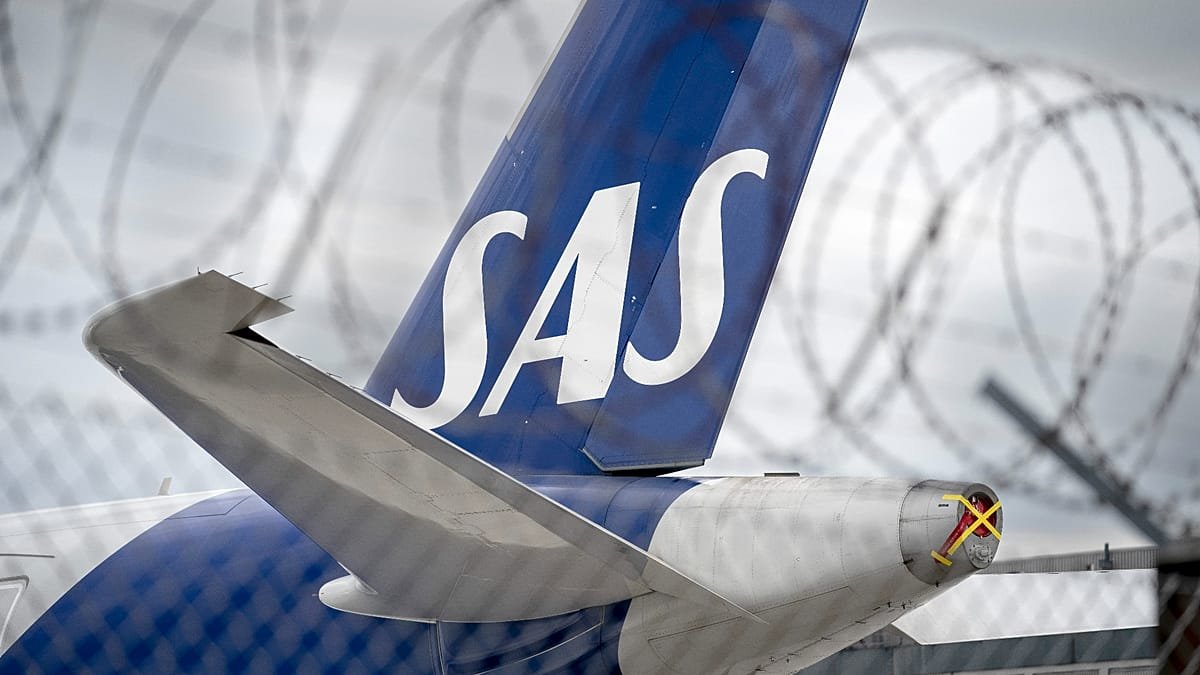
The sequence of alerts began with a Scandinavian Airlines (SAS) flight, SK751, traveling from Copenhagen to Warsaw. The plane landed normally at Warsaw Chopin Airport, but the carrier reported that a threat had been made against the flight. Following the landing, passengers disembarked while security personnel conducted checks. One runway at the airport was temporarily closed during the search operation. SAS confirmed the situation after the aircraft had secured its position and cleared the terminal area.
A second threat targeted a LOT Polish Airlines Boeing 737 MAX departing from London Heathrow. Originally scheduled to arrive at Warsaw Chopin Airport, the flight was diverted to Warsaw Modlin Airport due to the alert. Adam Szablowski, a spokesman for Modlin Airport, told AFP that passengers were evacuated and the aircraft underwent thorough security checks. Nothing was found, and the airport subsequently reopened to normal operations. The diversion highlighted the cascading effects of the alerts on regional aviation infrastructure.
In Spain, airport operator Aena activated an emergency protocol concerning a Ryanair flight originating from Manchester in northwest England and bound for Murcia in the southeast. The Civil Guard inspected the aircraft upon landing and found no dangerous items, leading to the deactivation of the emergency plan. The Ryanair jet landed without incident, underscoring the routine nature of the safety measures despite the heightened alert status.
The fourth affected flight was a Wizz Air service from Bergamo in northern Italy, which landed in the Bulgarian capital, Sofia, at 10:10 CET. A spokesperson for Bulgaria’s interior ministry stated that the aircraft was inspected following its arrival. This event followed closely on the heels of similar incidents earlier in the week. On Monday, NATO’s air defence alert service raised alarms over a different Wizz Air flight flying from London Luton to Sofia. That aircraft was diverted to Budapest, where Hungarian Defence Minister Romulusz Ruszin-Szendi announced on Facebook that Gripen fighter jets were scrambled within minutes to ensure the safe landing of the passenger aircraft.
The pattern of threats continued into Sunday, when an Austrian Airlines flight traveling from Tel Aviv to Vienna was rerouted to Bulgaria after receiving a bomb threat. No explosives were found on that flight either. These coordinated alerts have strained aviation resources across multiple nations, prompting rigorous security protocols at major hubs including Warsaw, Sofia, and Budapest. Authorities continue to investigate the origins of the threats as airlines adjust schedules to accommodate the necessary safety inspections.
This report was produced in the Europe Brief News newsroom.